Stockholm sells itself as the polished design capital — clean lines, muted colours, that untranslatable calm the Swedes call lagom. Spend a few days here, though, and the eccentric stuff starts poking through: a metro that doubles as an art gallery, a museum devoted entirely to products that flopped, a graveyard so beautiful it made the UNESCO list. That undercurrent is the real quirky Stockholm, and it’s my favourite version of the city.
The quirkiest things to do in Stockholm are the ones nobody puts on a postcard: riding the metro to see cave-painted platforms, tasting fermented herring at Skansen, standing round a Walpurgis bonfire on 30 April, wandering a UNESCO forest cemetery, or sipping a drink on an 1846 terrace above the harbour. Most cost little or nothing and slot into a half-day. I’d treat this as a companion to the broader Things to Do in Stockholm guide — this one is for the traveller who’s already ticked off Gamla Stan and the Vasa and now wants the odd, local, slightly-off stuff.
Below are 12 offbeat experiences, plus a longer run of smaller curiosities, food, walks, and a couple of ready-made itineraries. All of it is unmistakably Stockholm in its particular weirdness.
1. Museum of Failures
This one started as a pop-up and refused to close. The Museum of Failures collects flopped consumer products from big-name brands — Coca-Cola Blak (the coffee-flavoured Coke), Bic for Her pens, Colgate’s frozen lasagne, Harley-Davidson perfume. Swedish-American organisational psychologist Samuel West got it going back in 2017.
What I like is that it isn’t a laugh-at-the-losers gallery. The whole point is the sociology underneath — how genuinely smart companies talk themselves into terrible ideas. Shows rotate through temporary spaces around town, so check museumoffailure.com for the current address before you set off. Tickets run around 150 SEK; confirm on the day.
2. Skogskyrkogården, the UNESCO Woodland Cemetery
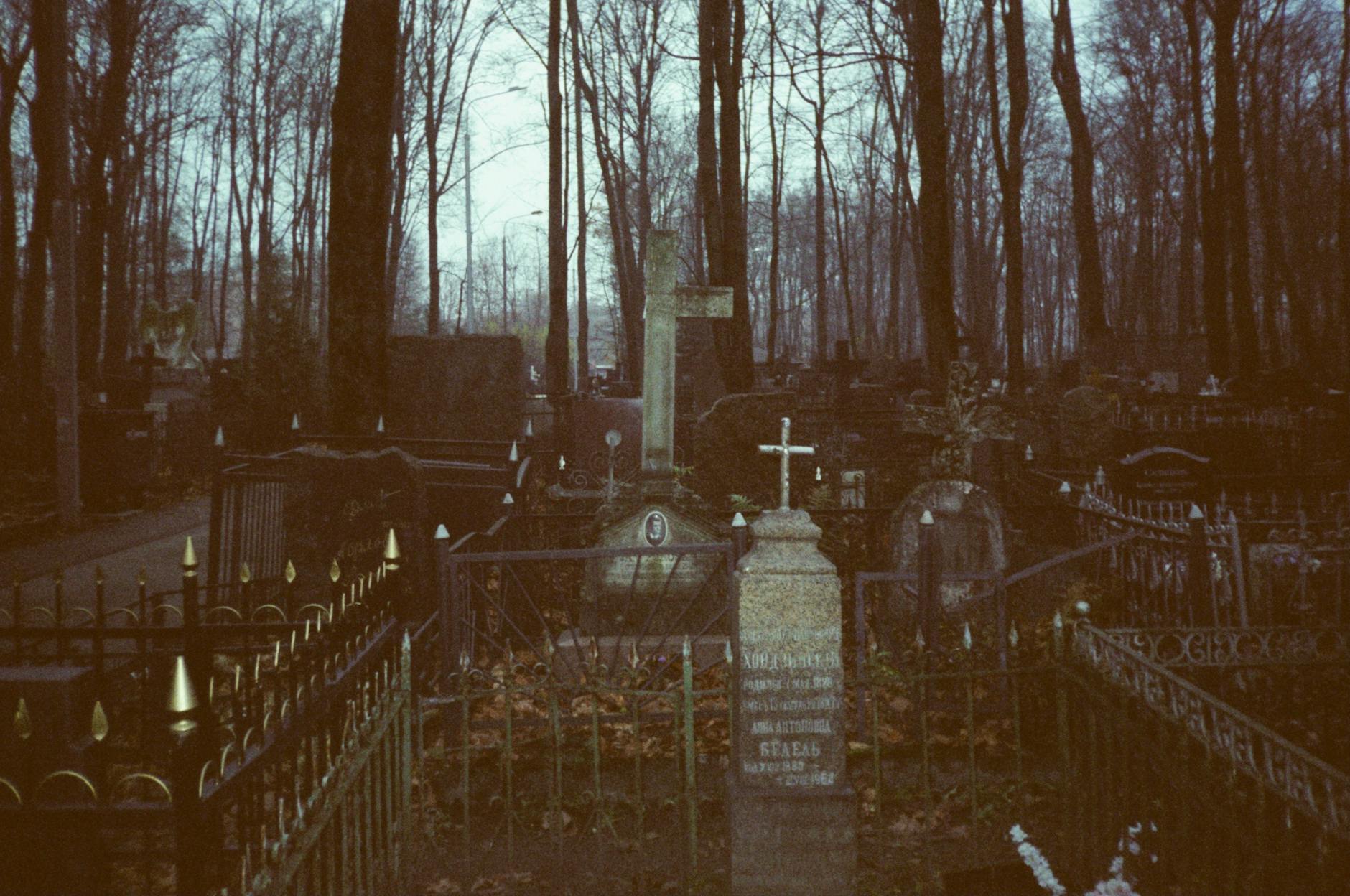
A cemetery on a things-to-do list sounds macabre until you actually go. Skogskyrkogården ranks among the world’s most-visited burial grounds because it’s a UNESCO World Heritage Site of 20th-century landscape architecture. Gunnar Asplund and Sigurd Lewerentz laid it out between 1915 and 1940 as a slow meditation on death and nature, and the chapels are quiet masterpieces of Nordic modernism. Greta Garbo is buried here.
Entry is free, and it’s a 15-minute ride on the green line to Skogskyrkogården station. Go in soft morning light if you can. It’s also one of the more moving free things to do in Stockholm, which is worth knowing when the city’s prices start to bite.
3. The Stockholm metro art tour
Locals half-jokingly call the T-bana “the world’s longest art exhibition” — 90 of roughly 100 stations carry public art, and most commuters barrel straight past it. My shortlist: T-Centralen’s blue cave paintings, Solna Centrum’s blood-red rock ceiling, Stadion’s rainbow arch, Kungsträdgården’s grotto strewn with Roman fragments, and Tensta’s warm immigrant-history murals.
A 175 SEK 24-hour travelcard covers the whole self-guided crawl. Do it mid-morning, off peak — you’ll want the platforms empty enough to actually look up. It doubles neatly as an unusual dose of the most Instagrammable places in Stockholm if you’re chasing shots that aren’t Gamla Stan for the thousandth time.
4. Surströmming tasting at Skansen
Surströmming — fermented Baltic herring — is routinely crowned one of the smelliest foods on the planet, and the reputation is earned. Skansen’s Brännkyrka building runs seasonal tastings from August to October, served the traditional way with flatbread, butter, boiled potato and raw onion. I won’t pretend most visitors enjoy the aroma. Treat it as a memorable curiosity rather than dinner, and you’ll come away glad you tried.
5. Walpurgis Night bonfires (30 April)
Walpurgis Night — Valborgsmässoafton — falls on 30 April, a bonfire-and-drinking ritual Swedes keep up mostly because they always have. Free public fires are lit at Skansen, Riddarholmen and Långholmen around 20:00, and the scale surprises people: this is a proper local celebration, not a tourist set-piece, which is exactly why the guidebooks tend to miss it. If you’re in town that week, it’s one of the standout things to do in Stockholm at night.
6. The Stockholm Public Library reading room
Asplund’s cylindrical 1928 rotunda is one of the most-photographed library interiors anywhere. It’s free to walk into, free to use the Wi-Fi, and free to just sit with that curved wall of books rising overhead. It’s still a working library — Stockholmers come here to study and get work done — but the architecture quietly turns a routine errand into a small event.
7. Mosebacke Etablissement — the original outdoor café
Opened in September 1846 as Stockholm’s first outdoor café, Mosebacke is a terrace rather than a rooftop, sitting about 50 metres above sea level on Söder with the whole central skyline stretched across the harbour. It runs May to September. That 1846 date makes it the oldest publicly accessible viewpoint of its kind in the city — locals have been drinking here with a view since before the lightbulb reached Sweden.
8. Kungsträdgården’s chess giants
Stockholm’s most central park keeps a set of giant outdoor chess pieces, each over 60 cm tall, that locals commandeer through the summer. It’s free and public. Watching a heated pick-up game unfold on a warm afternoon, with a small crowd offering unsolicited advice, is one of the more endearing spectator sports the city has going.
9. Långholmens prison museum
The old Långholmen prison shut in 1975 and reopened as a hotel and hostel. The little museum inside is free and genuinely odd — original cell ironwork, prisoner-history displays, and a dramatic spot right on the water. You can loop the whole island on foot in about 90 minutes. Booking a night in one of the converted cells adds a whole extra layer of strange.
10. Gröna Lund’s wooden roller coaster from 1957
The Twister at Gröna Lund, built in 1957, is one of the last classic wooden coasters still running anywhere. It won’t out-drop or out-loop a modern steel monster — that’s not the draw. Rattling round a 70-year-old timber structure in the middle of the city, harbour flashing past, has a charm the big rides can’t buy.
11. The Stockholm Light Festival (February)
Every February the city answers its own darkness with the Stockholm Light Festival, throwing illuminated installations across familiar buildings and squares. It’s free to wander. Hardly anyone visits Stockholm in February — it’s the bleakest stretch of the year — but the few who do catch one of its most atmospheric rituals with the crowds stripped away.
12. The Stockholm Music Walks free ABBA tour
Fan-led walks thread together the landmarks of ABBA’s story: old recording studios, band members’ former homes, the Polar Music office, Stortorget where they played early gigs. You’ll find tip-based and paid versions. That the band is so stitched into the city you can build a whole walking tour around them is, in itself, wonderfully quirky.
More quirky Stockholm experiences worth your time
Hallwylska Museet — the obsessive cataloguer’s mansion
Count and Countess von Hallwyl’s 1898 mansion sits preserved exactly as they left it. The countess catalogued everything she owned — more than 50,000 items, each one numbered and indexed. Entry is free. The compulsive record-keeping is the real curiosity here, more than the (admittedly lovely) house.
Spritmuseum (Museum of Spirits)
Given over entirely to Swedish drinking culture and the rise of Absolut Vodka. The sensory tasting wall lets you sniff out 25-plus Swedish spirit aromas one by one. Quirky Stockholm at its most cheerfully boozy.
Tom Tits Experiment in Södertälje
A hands-on science museum about 30 minutes south by commuter train. More than 600 interactive experiments — bubble walls, optical illusions, kinetic sculptures, a high-ropes course. It’s pitched at kids aged 4 to 12, but plenty of adults get quietly absorbed.
The Stockholm Postal Museum (Postmuseum)
Five centuries of Swedish postal history in Gamla Stan, complete with a miniature “postal city” where children deliver letters between little buildings. Free to enter, and far more charming than it has any right to be.
Drottningholm Theatre — the only working 18th-century theatre
The only surviving working theatre from the 1700s, still using its original stage machinery, painted scenery and candle-and-oil-lamp lighting. It sits in the Drottningholm Palace grounds. Tickets run 250-650 SEK in summer only, though even the daytime tour of the empty auditorium is quietly gripping.
Sven-Harrys Konstmuseum
A 17th-century farm cottage lifted brick by brick onto the roof of a 1970s block beside Vasaparken, now home to a private art collection. Architectural oddity meets serious art in one improbable package.
Stockholm sauna culture
Wood-fired sauna boats (bastubåt) run on the city’s lakes year-round, ice-hole plunges included through winter. Hellasgården is the classic outdoor spot. The ritual itself is the quirk — brutal temperature swings, communal nudity in some venues, and a cultural weight that catches most first-timers off guard.
Stockholm midsummer (June)
Midsummer’s Eve is Sweden’s biggest traditional holiday, and it half-empties the city — locals decamp to country cottages and the archipelago, leaving central Stockholm eerily still. Skansen hosts the largest public celebration, with folk dancing, singing and a flower-decked maypole. The quirk is the scale of the pause: a Friday in June when an entire capital seems to exhale.
Quirky Stockholm food to hunt down
Surströmming: covered above — fermented Baltic herring with an aroma that has spawned its own genre of internet videos.
Pickled herring (sill): Sweden runs 30-plus pickling traditions for herring alone. Order a “sillplatta” (herring platter) at somewhere traditional — Operakällaren Bakfickan, Tradition or Pelikan.
Reindeer charcuterie: dried, smoked or cured reindeer. Pick some up at Östermalm Saluhall.
Falu sausage (falukorv): an alarmingly orange sausage that’s a Swedish childhood staple, stocked in every supermarket.
Princess cake (prinsesstårta): green-marzipan-domed sponge, photogenic and faintly bizarre in its colour choice.
Polkagrisar: handmade peppermint sticks still turned out by craft confectioners. Try Polkagriskokeriet.
Salty liquorice (lakrits): an acquired taste Swedes adore and most visitors don’t see coming.
Janssons frestelse: a creamy potato-and-anchovy gratin. A Christmas classic that quietly shows up year-round.
Quirky Stockholm walking experiences
Stockholm Ghost Tour: after-dark loops through Gamla Stan built around plague pits, executions and grim 17th-century tales. Around 200 SEK a head, and one of the eerier things to do in Stockholm at night.
Stockholm Photography Walk: tip-based, photo-focused tours that mostly run at weekends.
OUTside Stockholm LGBTQ+ tour: a walk through the city’s queer history, key venues and the roots of Pride.
Architecture walks: private guided routes taking in Asplund’s library, Skogskyrkogården and modern Swedish design.
Free Tour Stockholm, Södermalm edition: a Saturday-only wander through Söder’s quirkier corners. If you’d rather roam under your own steam, a couple of the Stockholm bike tours and cycling routes string these neighbourhoods together nicely.
Quirky Stockholm by season
Spring (April–May)
Walpurgis Night on 30 April (bonfires and drinking). Stockholm Marathon weekend, free to spectate. Cherry blossom at Kungsträdgården in late April. The first outdoor terraces cracking open for the year.
Summer (June–August)
Midsummer’s Eve in late June (the city empties; Skansen celebrates). Absurdly long daylight that lingers past 22:30. Outdoor pick-up chess at Kungsträdgården. Surströmming season opening in August. Skansen’s Sommarscen concerts outdoors.
Autumn (September–October)
Peak surströmming (it runs August to October). Kulturnatt, Stockholm’s free late-night museum crawl.
Winter (November–February)
The Stockholm Light Festival in February. Lucia processions on 13 December. A Christmas market at Skansen. And, for anyone from a sunnier climate, the sheer novelty of that deep December darkness.
Where quirky Stockholm hides
Most of these curiosities cluster in a handful of neighbourhoods:
Söder — the best-loved quirky quarter. SoFo’s backstreets, Hornstull’s vintage racks, the Mosebacke terrace, the Skinnarviksberget cliffs, Långholmen prison.
Vasastan — the Public Library, Sven-Harrys Konstmuseum, and Vasaparken’s allotment-garden calm.
Djurgården — Skansen, the Drottningholm Theatre, and the ABBA Museum’s odder touches, including its Polar Studio recording booth. It also happens to be prime ground for romantic things to do in Stockholm for couples once the day-trippers thin out.
Gamla Stan — Mårten Trotzigs Gränd (the impossibly narrow alley), the Postal Museum, and Pharmarium’s apothecary-themed cocktail bar.
Outside the centre — Skogskyrkogården, Tom Tits Experiment in Södertälje, the Hellasgården outdoor sauna, Drottningholm Palace.
Quirky Stockholm itinerary suggestions
Half-day quirky Stockholm walk
10:00 Stockholm Public Library (Asplund’s reading room).
11:30 Postal Museum, Gamla Stan.
13:00 Lunch at Hermitage (vegetarian buffet).
14:30 Mårten Trotzigs Gränd, the narrow alley.
15:00 Pharmarium for an apothecary-style cocktail.
16:00 Walk over to Söder and climb Skinnarviksberget.
17:30 Mosebacke terrace at sunset (May–September).
Full-day quirky Stockholm immersion
09:30 Skogskyrkogården (UNESCO Woodland Cemetery).
11:30 Back to the centre for the metro art tour.
13:00 Lunch at Tradition.
14:30 Spritmuseum on Djurgården.
16:00 Walk to Skansen for the open-air grounds and indoor sections.
18:00 Dinner at Sturehof.
22:00 Stockholm Ghost Tour in Gamla Stan.
Seasonal quirky day
30 April — Walpurgis: 19:30 Free Tour Stockholm meeting at the Royal Palace. 20:00 Skansen bonfire. 22:00 walk to the Riddarholmen bonfire.
13 December — Lucia: 06:30 Skansen Lucia procession. Daytime Christmas market at Stortorget. 17:00 candlelit service at Riddarholmen church.
February — Light Festival: 18:00 installations at Sergels Torg. Walk to Kungsträdgården for more pieces. 21:00 the Mosebacke terrace lit up. Prefer to stay on the water? Several Stockholm boat tours run right through the darker months and frame the city from an angle most visitors never get.
Frequently asked questions
What are quirky things to do in Stockholm?
Ride the metro art tour, wander Skogskyrkogården’s UNESCO Woodland Cemetery, brave a surströmming tasting at Skansen, warm up at a Walpurgis Night bonfire, sit in the Public Library’s rotunda, and have a drink on the 1846 Mosebacke terrace. The Långholmen prison museum is a good final stop.
What’s the most unusual Stockholm museum?
I’d give it to Spritmuseum, the Museum of Spirits, for its all-in devotion to Swedish drinking culture and its sniff-and-guess aroma wall. Postmuseum runs it close with five centuries of postal history and a children’s postal city. Hallwylska Museet, that obsessively catalogued 1898 mansion, is the wildcard.
Is Skogskyrkogården worth visiting?
Absolutely. It’s a UNESCO site and one of the most influential works of 20th-century landscape architecture, shaped by Asplund and Lewerentz over 1915 to 1940. Greta Garbo rests here. Entry is free and it’s a 15-minute green-line ride, so it costs you little beyond an hour of your morning.
What is Walpurgis Night in Stockholm?
Valborgsmässoafton, on 30 April, is a Swedish spring rite of bonfires and drinking that people keep up largely out of tradition. Free public fires are lit around 20:00 at Skansen, Riddarholmen and Långholmen, and choral groups often sing in spring. The turnout is far bigger than most visitors expect.
Where can I try surströmming?
Skansen’s Brännkyrka building holds seasonal tastings from August to October, plated properly with flatbread, butter, potato and onion. Some traditional restaurants offer it in season too. The smell is legendarily grim, but tasting it is one of those distinctly Stockholm experiences you’ll be glad you didn’t skip.
What is the Stockholm Light Festival?
It’s a February event scattering light installations across the central city, free to view, timed to break up the darkest weeks of the Swedish winter. Very few tourists come in February, so you often have the illuminated squares nearly to yourself — one of the quieter perks of an off-season visit.
Are there quirky food experiences in Stockholm?
Plenty. Fermented herring at Skansen, salty liquorice you either love or spit out, a herring platter at Operakällaren Bakfickan, reindeer charcuterie from Östermalm Saluhall, and the almost cartoonishly green princess cake sold in most bakeries. Falukorv and Janssons frestelse round out the everyday-Swedish end of things.
What’s the most quirky Stockholm walking tour?
The Stockholm Ghost Tour, for after-dark medieval tales, is my pick at roughly 200 SEK. For something different, the OUTside Stockholm LGBTQ+ tour digs into queer history, the ABBA Music Walk chases the band’s landmarks, and the Photography Walk points you at the best shots.
Is the Drottningholm Theatre worth visiting?
Yes — it’s the only working theatre left from the 1700s, still running original stage machinery, scenery and candle-lamp lighting. Performances take place on summer evenings, with tickets from 250 to 650 SEK. Even the daytime tour of the empty house, machinery and all, is worth the trip out.
What are some quirky Stockholm experiences for free?
The metro art tour (just the fare), Skogskyrkogården, the Public Library rotunda, the Postal Museum, the Royal Armoury (Livrustkammaren), Walpurgis bonfires, browsing the Stortorget Christmas market, and Söder’s pick-up chess at Mariatorget. It’s a lot of the city’s character at no cost — see the full 17 free things to do in Stockholm for more.