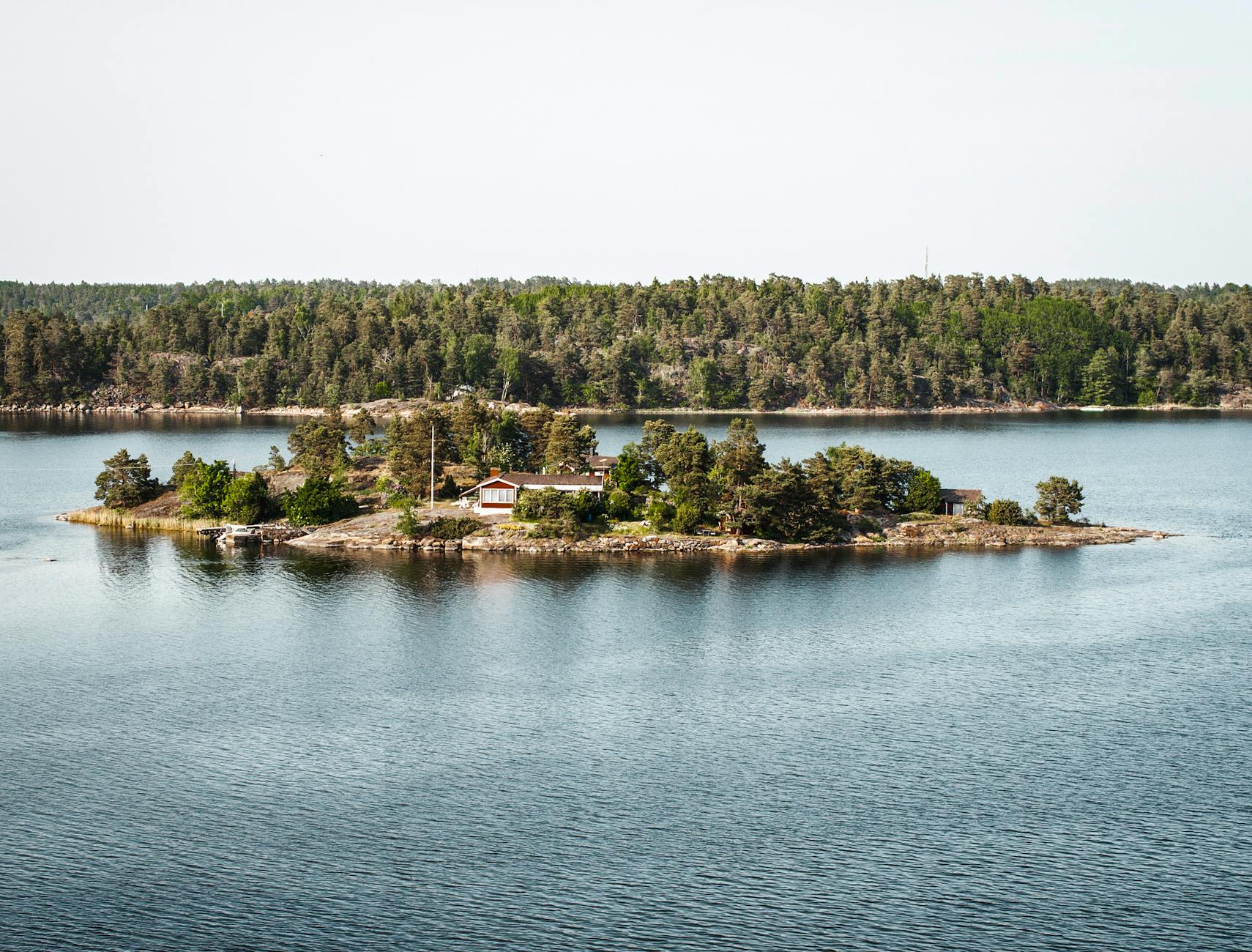
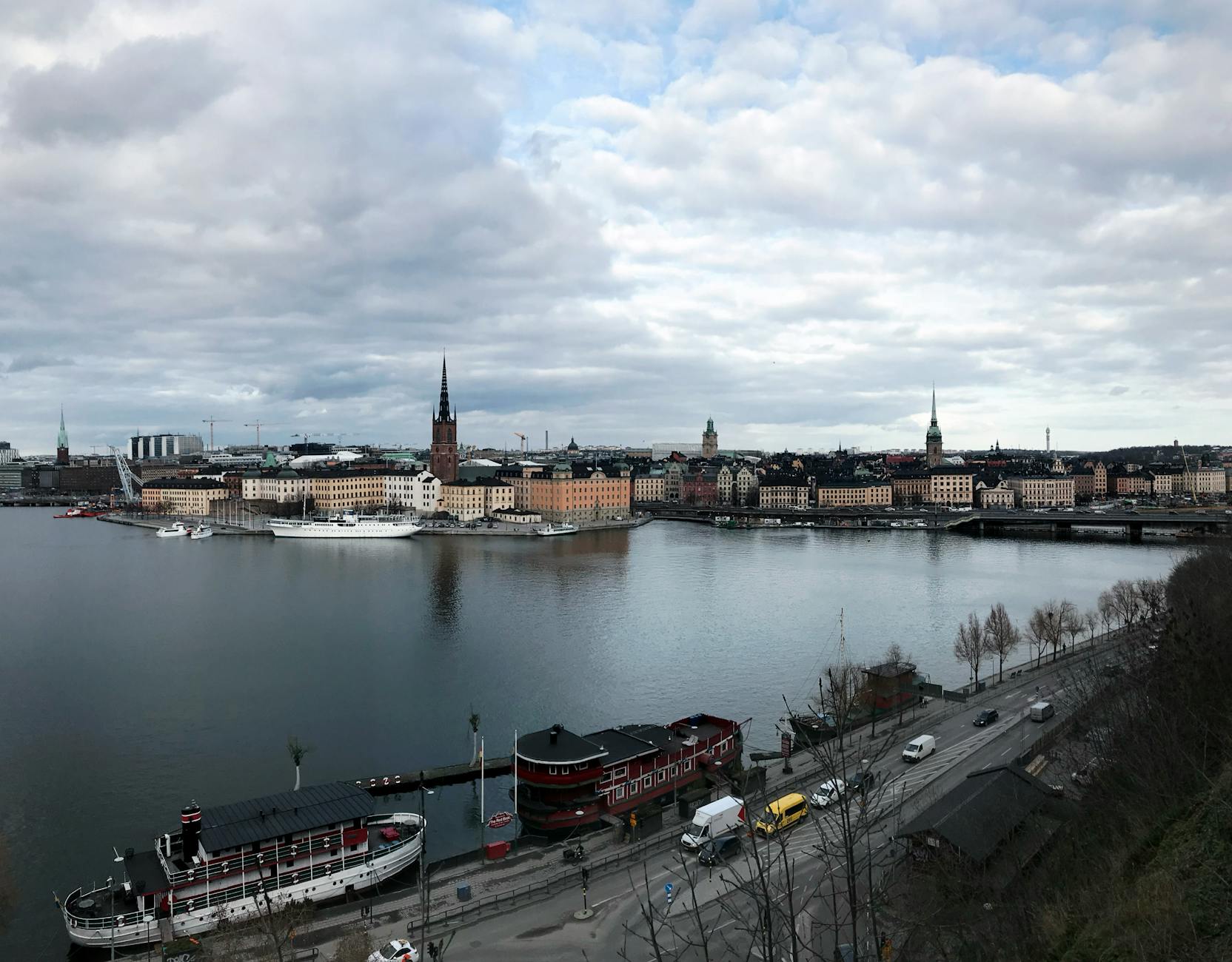
The Stockholm archipelago is the reason most locals live where they live. It stretches some 80 km east of the city, a scatter of roughly 30,000 islands, islets and skerries that dissolve into the Baltic somewhere out toward the Finnish border. It’s the largest archipelago in Sweden, one of the biggest in the world, and, even in a region that isn’t short of scenery, the single best day trip you can take from a European capital. Spend one summer afternoon out here and you’ll understand why Stockholmers count down to it all winter.
The good news for visitors is that most of what makes it special sits just 1–3 hours away on a public ferry, for less than the price of a decent lunch, aboard the same boat lines that have served these islands for over a century. This guide covers which island to pick, how to get there, when to go, and where to eat and sleep, with links through to our detailed island and ferry guides as we go.
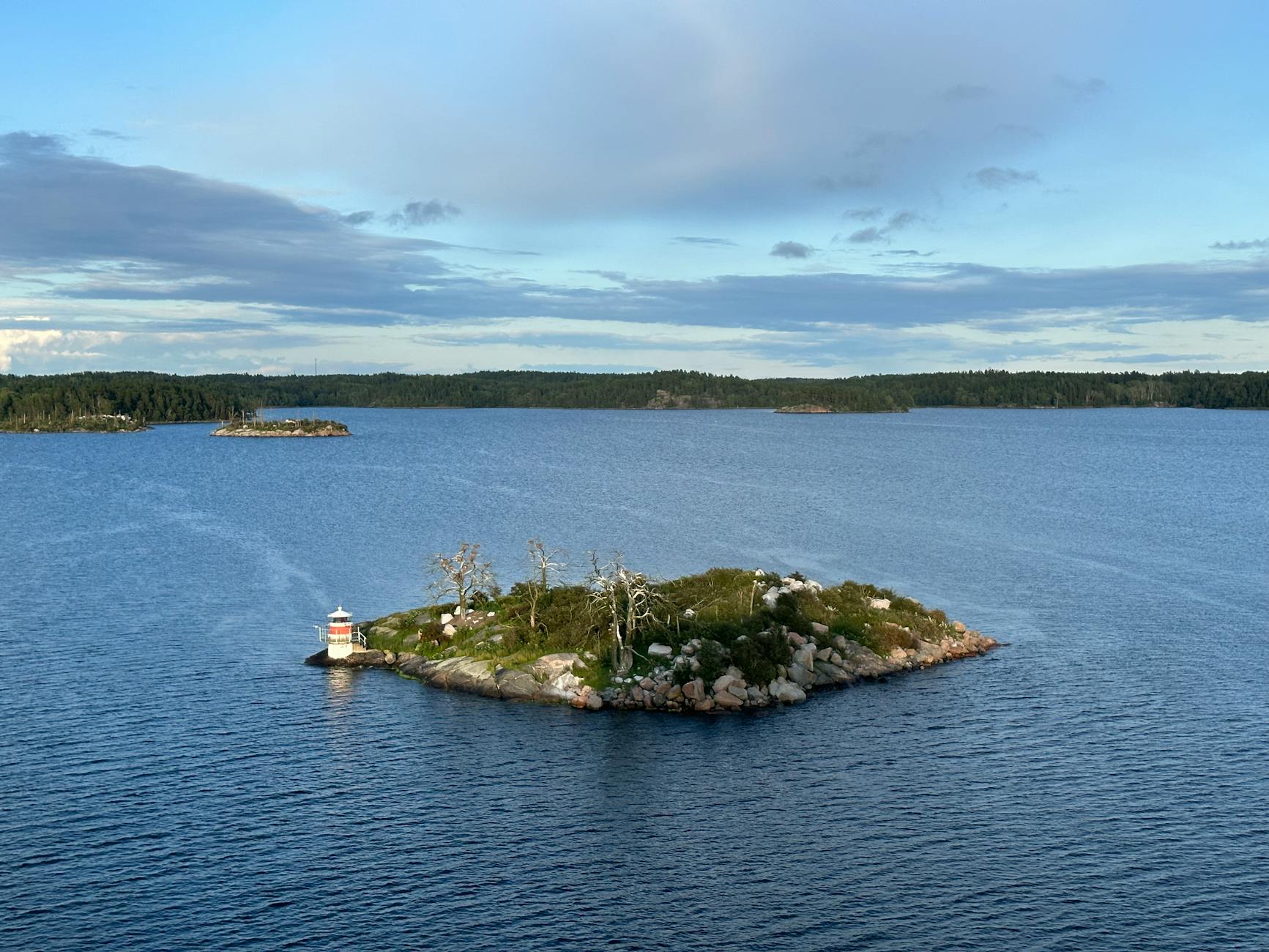
A quick Stockholm archipelago primer
- Easiest half-day: Fjäderholmarna, 30 minutes from the centre, with cafés, a restaurant and a sculpture garden.
- Classic full-day: Vaxholm, the “capital of the archipelago”, a wooden town with a fortress museum, one hour out.
- Most beautiful day trip: Grinda, all swimming coves, forest trails and a Nordic inn, 1.5–2 hours out.
- The Saint-Tropez of Sweden: Sandhamn, a sailing village with actual sandy beaches, 2.5 hours by boat.
- The quiet one: Utö, car-free, with an old mining village and long beaches, around 3 hours.
- Best season: mid-June to late August; May and September are quieter and still lovely.
- Main operators: Waxholmsbolaget (classic, year-round, from Strömkajen) and Strömma’s Cinderella boats (faster, summer only, from Nybrokajen).
- Tickets: pay on board with Visa or Mastercard, cash isn’t accepted. The 5-day Waxholmsbolaget pass is the best value for island-hopping.
If you already know you want the shortlist rather than the full picture, our guide to the best archipelago islands to visit from Stockholm ranks them head to head.
What the archipelago actually is
“Archipelago” doesn’t quite do it justice. The Stockholm skärgård is a 150-km-long, 60-km-wide mosaic of granite islands that begins a few metres off the city’s eastern waterfront and peters out at the open Baltic near Arholma and Landsort. It splits loosely into three bands.
Inner archipelago: lush, wooded, pastoral. Lidingö, Nacka, Värmdö, Vaxholm. Country houses, summer pavilions, old Swedish money, all under an hour from the centre.
Middle archipelago: smaller, pinier, more weather-beaten. Grinda, Ingmarsö, Finnhamn, Möja, Gällnö. Genuine car-free island life, swimming bays, endless summer light, 1.5–3 hours out.
Outer archipelago: bare granite, treeless skerries, open sea. Sandhamn, Utö, Huvudskär, Landsort. Windswept, dramatic, remote, 3+ hours out and often with a transfer.
The band matters for a day trip. Inner is green and cosy; middle is the postcard “summer idyll”; outer feels like you’ve left the country entirely.
The ten islands worth knowing
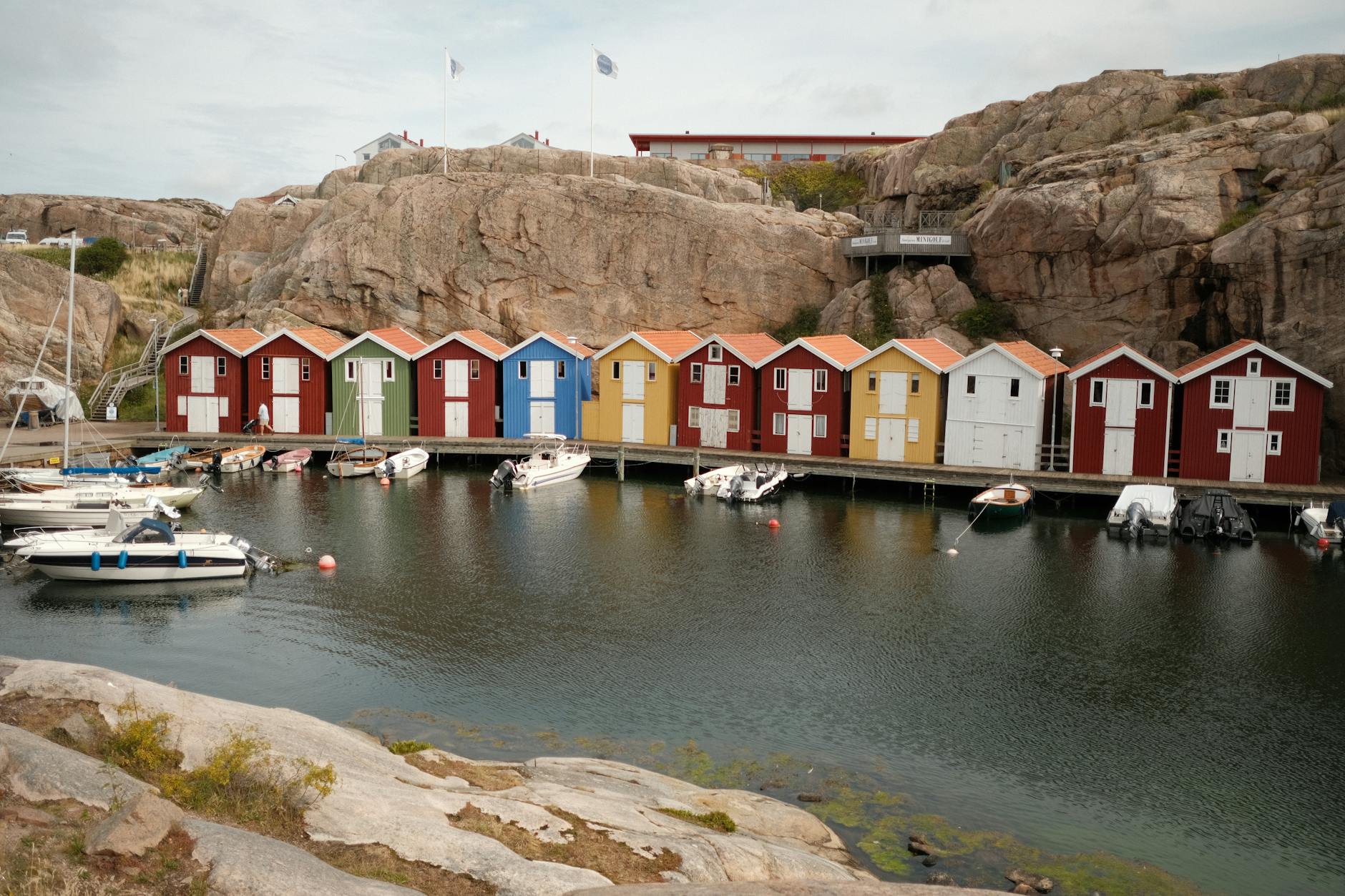
1. Vaxholm, the gateway
Vaxholm sits 45 minutes east and acts as the archipelago’s unofficial capital. The town is a painterly cluster of 19th-century wooden houses in ochre, red and white around a pretty harbour, anchored by Vaxholms Kastell, a 16th-century fortress on its own islet, now a museum of Swedish coastal defence. Waffles at Hembygdsgårdens Café, fish and chips at Hamnkrog, a short shuttle boat to the fortress, and you’ve filled an easy afternoon. Our full Vaxholm guide has the detail. Good for first-timers, half-days and anyone who doesn’t want to commit to a whole island.
2. Grinda, the summer idyll
Grinda is the island most locals name when pressed. It’s 1.5–2 hours out, car-free, with a classic 1906 wooden inn (Grinda Wärdshus), a sheltered swimming cove at Södra Bryggan, a few forest trails and no overdevelopment. The restaurant is genuinely good, smoked-fish plates and Swedish summer menus, and although day-trippers and anchored sailors fill it in July, the island is big enough to swallow the crowd. Our Grinda island guide covers a full day here. Good for the classic archipelago day of swimming and lunch.
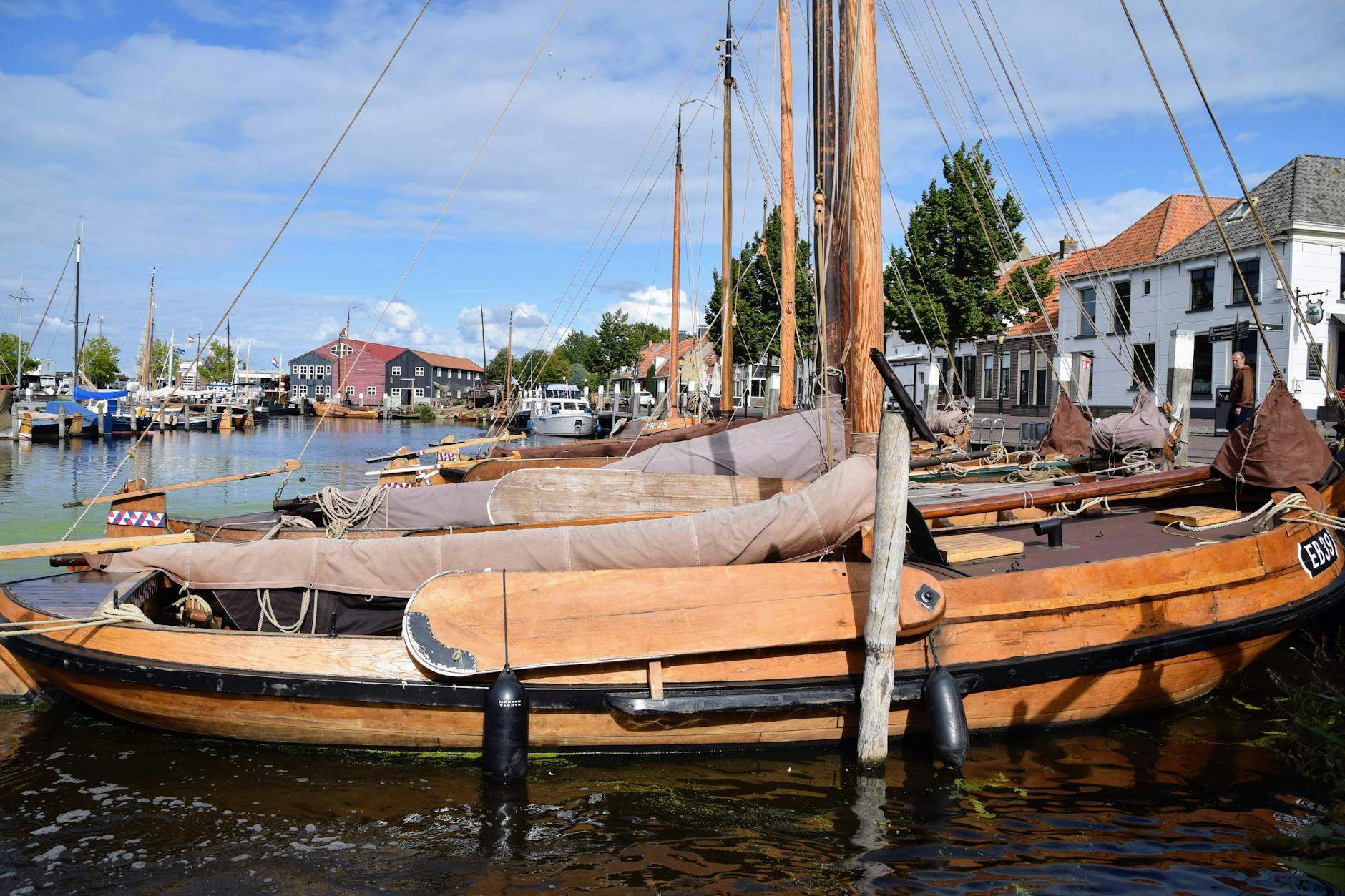
3. Sandhamn, the sailing town
Sandhamn is the outer-archipelago village at the edge of open water, famous for white-sand beaches, a 200-year-old bakery and a century-long tie to the Royal Swedish Yacht Club. In summer the harbour fills with racing yachts, Trouville beach on the seaward side is a rare stretch of real sand, and the wooden town is walkable in half an hour. The restaurants punch well above a village of 120 year-round residents. Our Sandhamn archipelago guide plans the day. Good for beach lovers, sailors and Scandi-noir fans (Viveca Sten’s mysteries are set here).
4. Fjäderholmarna, the close-in escape
Fjäderholmarna is four tiny islands just 25 minutes from the centre, the easiest archipelago hit there is. Board a Strömma ferry at Slussen or Nybroplan, step off 25 minutes later, and you’re in another century, with several restaurants, a sculpture park, a small brewery, a craft centre and enough paths for 2–3 hours. It isn’t the “real” outer archipelago, but it’s an excellent stand-in on a half-day, as our Fjäderholmarna guide explains. Good for the time-strapped, cruise passengers and families with small kids.
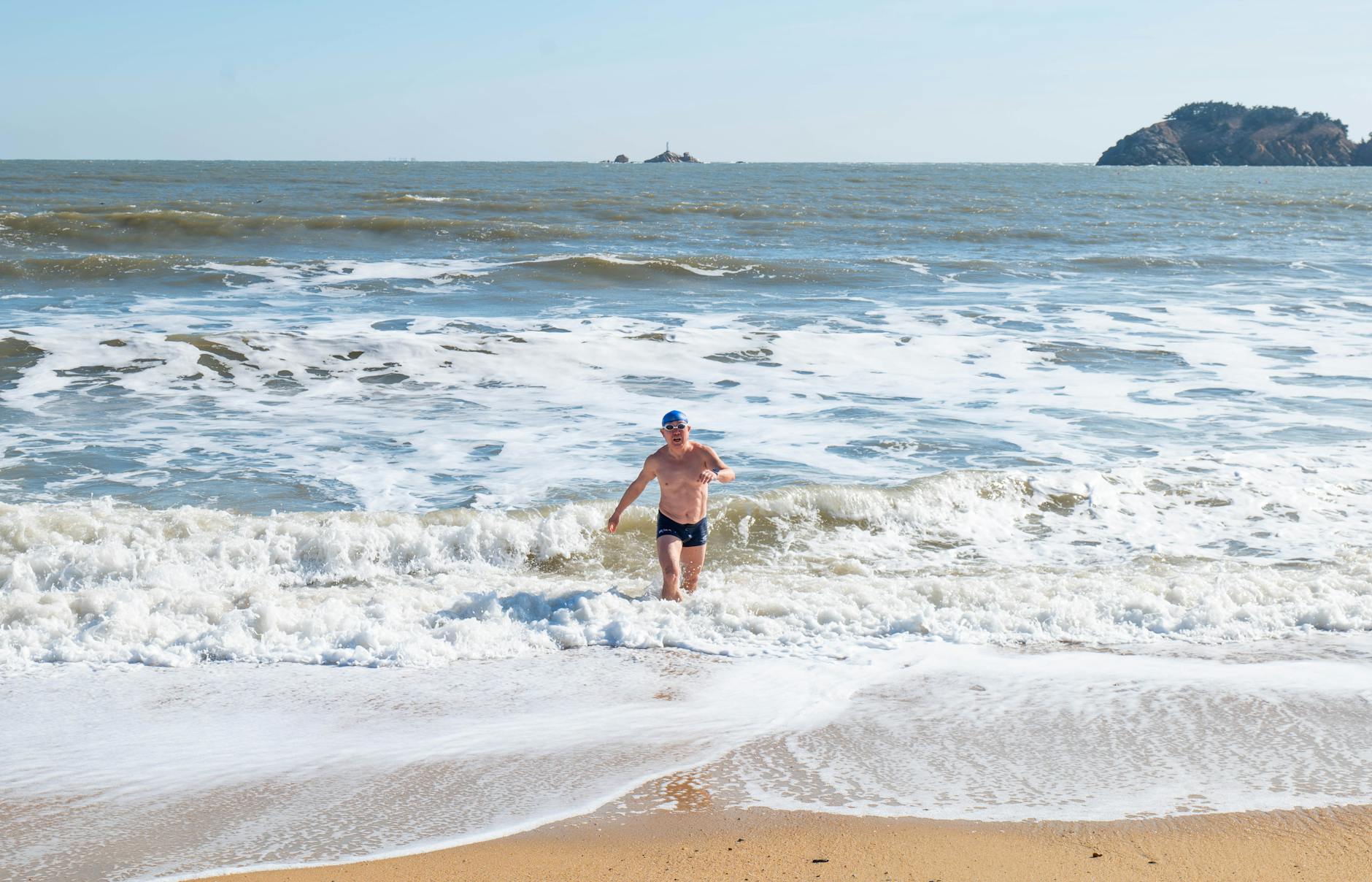
5. Utö, the quiet mining island
Utö lies in the southern archipelago, about 2.5 hours out via a transfer at Årsta Brygga. It’s larger than most (a proper 10 km long), carries a genuinely old mining history (Sweden’s oldest iron mine) and feels noticeably calmer than the Vaxholm–Grinda–Sandhamn corridor. Rent a bike to Storsand beach, stop at the village bakery (famous windmill-milled flour, the best bread in the archipelago) and eat at the inn. Good for travellers after somewhere less touristed, and for cyclists and overnighters.
6. Möja, the fishing village
Möja is a middle-archipelago island 2.5 hours out, with an old fishing village, small art galleries, a cult local cider and easy summer swimming. It’s emphatically a working island, nobody here is performing charm for tourists, and the Fiskarfruns Café bakery is an institution. Good for a real village feel, longer stays and cider enthusiasts.
7. Finnhamn, the hostel island
Finnhamn is three small islands linked by bridges, known for its STF hostel in a jugendstil villa, the best sunset in the middle archipelago and pine-forest walking paths. Two hours out. Good for budget travellers, overnighters and anyone after quiet.
8. Gällnö, the working farm
Gällnö is a small middle-archipelago island run partly as a working farm; the inn serves dinner grown on the island and the paths cross real pasture. Tiny in scale, refreshingly un-touristed, two hours out. Good for a slow, rural day.
9. Ingmarsö, the walker’s island
Ingmarsö is the closest thing to a hiking island, a 6 km crossing from Norr to Söder Ingmarsö takes in forest, beach, meadow and a mid-route café. Two hours out. Good for active travellers who like a proper walk, and it pairs well with getting out on the water yourself, see our guide to kayaking in the Stockholm archipelago.
10. Landsort (Öja), the end of the line
Landsort is the southernmost point, 3.5 hours out, a granite spit with a 17th-century lighthouse (Sweden’s oldest still in service), stark beauty and barely any people. A night in the lighthouse guesthouse is memorable. Good for travellers who’ve done the classics and want somewhere that truly feels remote.
How to get there
Two operators handle almost all archipelago passenger traffic, alongside SL’s commuter ferries to the close-in islands. If you want a deeper dive on timetables and fares, our Waxholmsbolaget ferry guide and schedules goes route by route.
Waxholmsbolaget (the classic operator)
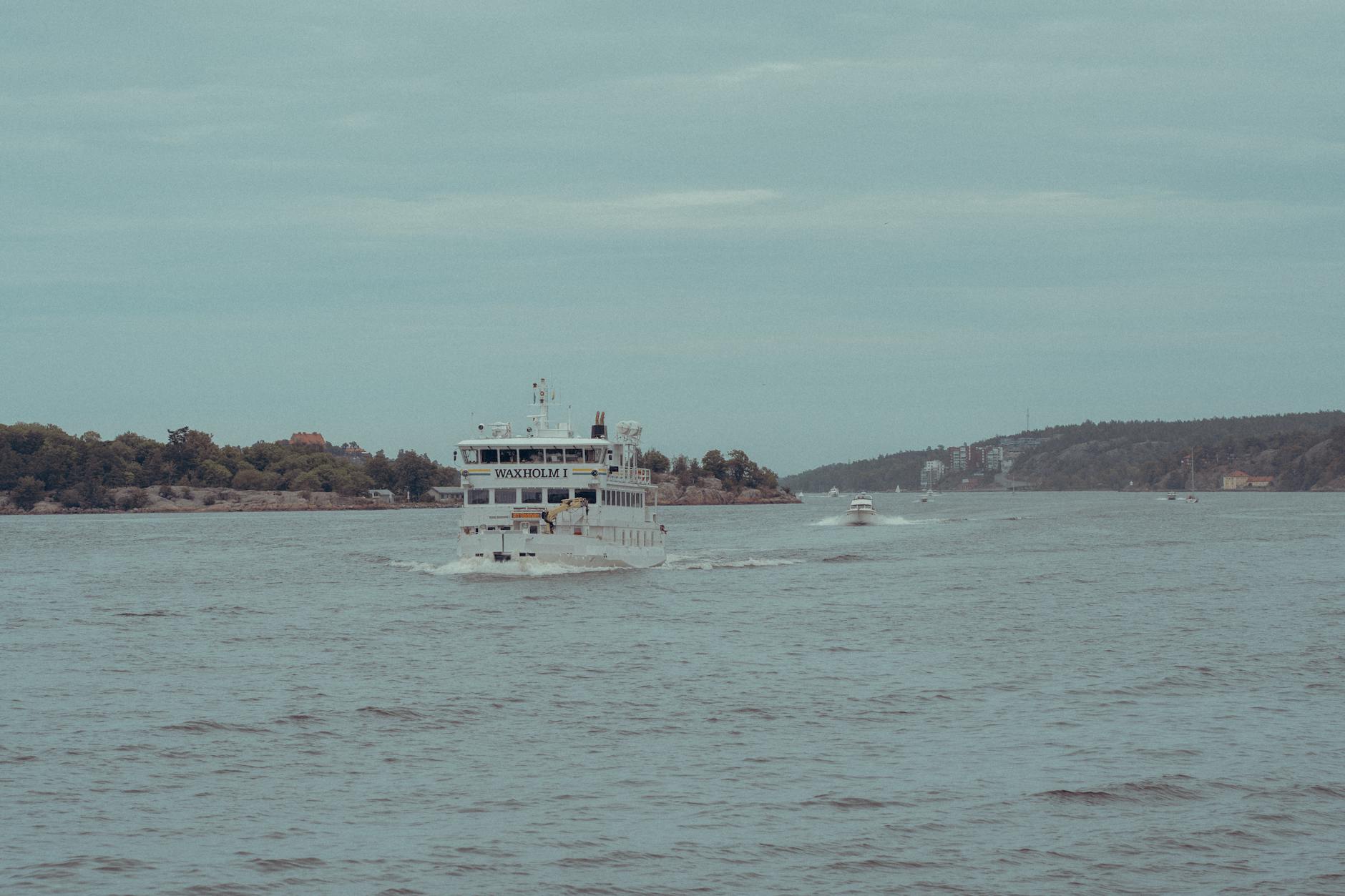
Waxholmsbolaget has run the archipelago’s white passenger steamers for more than 100 years. They sail year-round, frequently in summer and on a skeleton schedule in winter, mostly from Strömkajen in the centre (the quay in front of the Grand Hôtel, Royal Palace across the water), with some outer-island departures from Vaxholm and Stavsnäs.
Tickets: buy on board with Visa or Mastercard; no cash. A one-way adult fare is roughly 90 SEK to Vaxholm, 135 SEK to Grinda, 170 SEK to Sandhamn and 140 SEK to Utö. The 5-day Båtluffarkortet pass (around 795 SEK) covers every route for five straight days, the right buy for any trip of two or more island stops, with a 30-day pass (around 1,275 SEK) for longer stays. Always check the app before you set off, and confirm current fares.
Strömma / Cinderella boats (the faster summer option)
Strömma’s Cinderella fleet is bigger, faster and more modern, leaving from Nybrokajen (10 minutes from Kungsträdgården) and reaching the outer islands in noticeably less time: about an hour to Vaxholm, 1h40 to Grinda, 2h30 to Sandhamn. Summer only (May–early September). Book online, since peak weekends sell out; fares run roughly 200–350 SEK one-way, typically 30–40% more than Waxholmsbolaget but much quicker. Combo tickets bundle the ferry with lunch at an island inn.
SL commuter ferries (free with an SL pass)
SL runs regular commuter ferries to the inner archipelago that are covered by any SL ticket, line 83 links Strömkajen, Slussen and Vaxholm in about an hour. It’s the cheapest way to reach Vaxholm, though the bigger Waxholmsbolaget boats have the better views.
When to go
The archipelago has a sharp season, and it matters.
Peak (mid-June to mid-August): restaurants and inns open, Cinderella boats running, frequent ferries, comfortable swimming (17–21°C) and light until nearly midnight. The archipelago at its best, and its busiest, book Grinda and Sandhamn tables ahead on summer weekends.
Shoulder (May, early June, late August, September): the sweet spot for quiet, thoughtful visits. Most restaurants stay open through August, the weather is cooler (10–17°C), swimming is bracing but doable, and crowds drop to about a third of peak, with softer light for photos.
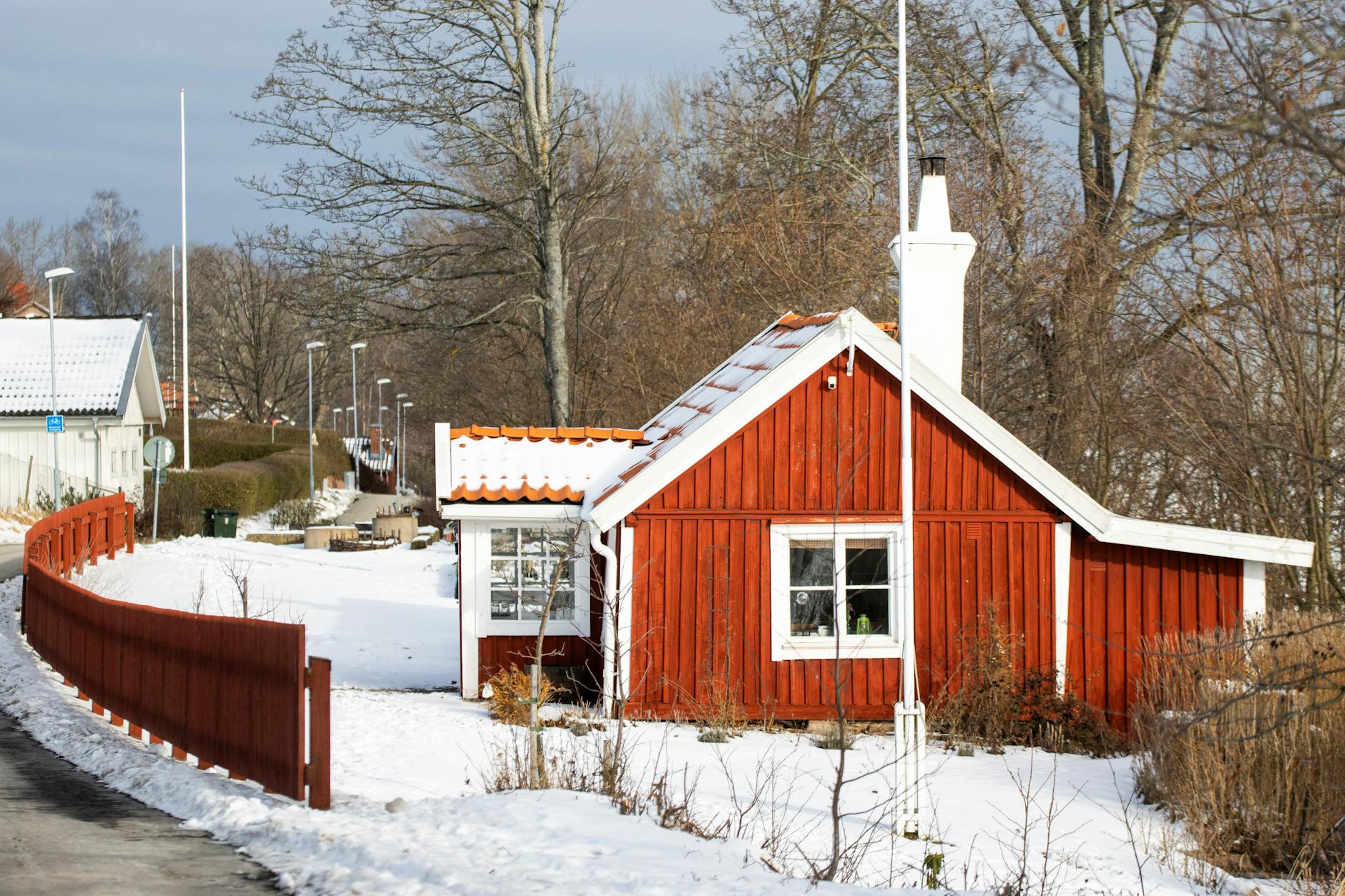
Winter (October–April): largely dormant. Most inns and restaurants close and Waxholmsbolaget runs reduced services; Vaxholm stays reachable but the outer islands get hard. For the prepared, it’s hauntingly beautiful, with snow and ice common from November to March.
Day-trip itineraries
Short on time to plan? Our standalone Stockholm archipelago day trip guide expands each of these into a full timed plan.
The classic Vaxholm day (easy, half-day)
Waxholmsbolaget from Strömkajen at 10:00, into Vaxholm by 10:50. Walk the waterfront, coffee at Hembygdsgårdens Café, shuttle to the fortress and its museum, lunch at Hamnkrog on the harbour, then wander the old town before the 15:15 ferry back. Roughly 180 SEK transport, 250 SEK lunch, 120 SEK fortress. Easy.
The Grinda swim day (classic, full-day)
Cinderella from Nybrokajen at 9:30, into Grinda by 11:10. Swim at Södra Bryggan, lunch on the terrace at Grinda Wärdshus (smoked fish and a glass of wine), walk the 1.5-hour forest loop, then the 16:00 or 18:00 ferry home. About 450 SEK ferry, 350–500 SEK lunch, nothing for the swim, one of the best days a visitor can have here.
The Sandhamn beach day (full-day, outer archipelago)
Cinderella from Nybrokajen at 9:30, into Sandhamn by 12:00. Walk the village, lunch at Sandhamns Värdshus, 20 minutes out to Trouville beach for a swim and a sunbathe, back via the yacht harbour for the 16:30 ferry (into Stockholm by 19:00). Around 600 SEK return ferry, 400 SEK lunch. A big day, and worth it.
The two-island island-hopper (advanced)
Buy the 5-day Waxholmsbolaget pass. Day one to Grinda, overnight at the Wärdshus; day two a morning on Grinda then an afternoon boat to Sandhamn, overnight at the Seglarhotell; day three back to the city. The best way to actually feel the archipelago rather than glimpse it, and our guide to where to stay in the Stockholm archipelago covers the overnight options.
The Fjäderholmarna afternoon (minimalist)
After lunch in town, a Strömma ferry from Nybroplan at 14:00 puts you on Fjäderholmarna by 14:25. Wander the sculpture park, stop at the craft centre and brewery, and have dinner at Fjäderholmarnas Krog (the island’s oldest restaurant, excellent seafood) before the last boat around 21:00. Three or four hours, cheap, zero planning.
Where to eat on the islands
- Grinda Wärdshus (Grinda) — the classic inn restaurant: smoked fish, meatballs, a terrace view. Book ahead on summer weekends.
- Sandhamns Värdshus (Sandhamn) — a 350-year-old inn at the heart of village life, fine Swedish coastal cooking.
- Fjäderholmarnas Krog (Fjäderholmarna) — historic seafood on a waterfront terrace, the best meal within 30 minutes of the city.
- Utö Värdshus (Utö) — a small hotel restaurant doing prix-fixe dinners built on island produce.
- Hamnkrog (Vaxholm) — casual, reliable harbour seafood.
- Hembygdsgårdens Café (Vaxholm) — famous for cinnamon waffles.
- Sandhamns Bageri (Sandhamn) — an 18th-century bakery still baking from its original oven.
Where to stay in the archipelago
- Grinda Wärdshus & Cabins — inn rooms plus rentable wooden cabins on the harbour; the default overnight.
- Sandhamn Seglarhotell — a large hotel with sailing-club history, harbour rooms, two restaurants and a sauna.
- Utö Värdshus & Hotel — a small, highly rated boutique hotel on a quieter island.
- Finnhamn STF Hostel — the budget pick, in a beautiful old villa with shared bathrooms.
- Waxholms Hotell — a classic 19th-century timber pier hotel in Vaxholm.
- Rödlöga Kursgård — small rentable cottages for a genuine week-in-the-archipelago stay.
Summer weekend availability tightens sharply from June on, so book by April for peak July dates. For the full rundown of areas and price levels, see our dedicated where to stay in the Stockholm archipelago guide.
Prefer to skip the planning?
If you’d rather not build an itinerary, a guided cruise does the work for you. A three-hour narrated Strömma cruise (around 450 SEK) loops the inner and middle archipelago without disembarking, while the longer “Thousand Island Cruise” (around 10 hours, about 1,200 SEK with lunch) goes deeper into the middle bands. For the full range of options, from short sightseeing loops to lunch cruises, see our guide to the best archipelago boat tours from Stockholm.
What to pack for a day trip
- Swimsuit and quick-dry towel — the water’s swimmable June to September even if you hadn’t planned on it.
- Layers — the sea breeze makes islands 3–5°C cooler than the city; a light jacket matters even in July.
- Walking shoes — granite paths, pine roots and the odd patch of mud; sandals alone won’t cut it.
- Sun protection — glare off the water is stronger than it feels.
- A card — no cash is accepted anywhere: ferries, restaurants, kiosks.
- Snacks and water — island cafés aren’t always open when you want them.
- The Waxholmsbolaget app — live schedule updates are gold when weather reroutes a ferry.
Common mistakes
Trying to do three islands in a day. The boats are too slow and infrequent, pick one island, give it 5–6 hours, and come back. Two islands is a two-day trip.
Expecting high-summer service in May or September. Many restaurants, inns and kiosks are shut; check the specific island first.
Not booking summer restaurants. Grinda Wärdshus on a July Saturday without a reservation means ice cream at the kiosk for lunch.
Bringing cash. Ferries, restaurants, bakeries and kiosks are all card-only out here.
Underestimating the trip home. The last Sandhamn ferry can be as early as 16:30 off-peak, missing it means an unplanned overnight.
A note on the right to roam
The archipelago is protected by a patchwork of national park, nature reserve and allemansrätten (right to roam) rules. In practice you can walk almost anywhere on uninhabited islands, camp a single night without asking, and swim, fish and forage within reason. In return you’re expected to leave no trace, keep dogs leashed near livestock, avoid open fires in dry weather (summer bans are common) and steer clear of nesting areas in spring. The honour system is taken seriously here, please respect it.
Fitting the archipelago into your trip
A single island day slots neatly into a city break, best placed in the middle of your stay rather than the last day, so a late ferry or a change in the weather never threatens your flight home. Pick one island, take the ferry, and you’ll quickly see why Stockholmers spend half their summer out here and the rest of the year counting the days back to it.
Frequently asked questions
How do I get to the Stockholm archipelago?
Two main operators cover it: Waxholmsbolaget (year-round, from Strömkajen near the Grand Hôtel) and Strömma’s Cinderella boats (summer only, faster, from Nybrokajen). SL also runs commuter ferries to Vaxholm that are included with any SL pass. Buy Waxholmsbolaget tickets on board with a card; book Cinderella boats online for summer weekends.
What is the best island to visit in the Stockholm archipelago?
For a first visit, Vaxholm (an easy half-day, 45 minutes out) or Grinda (a classic full day, 1.5–2 hours out). Sandhamn is the most famous outer island, while Fjäderholmarna is the easiest half-day if you’re short on time. Each has its own detailed guide linked above to help you choose.
When is the best time to visit the Stockholm archipelago?
Mid-June to mid-August is peak: warm water, open restaurants and frequent ferries. Late May and early September are the quieter shoulder options, with fewer crowds but most services still running and lovelier light. Winter is largely dormant, with most island businesses closed and only reduced ferry service.
How long does it take to get to the Stockholm archipelago?
Fjäderholmarna is just 25 minutes from the centre. Vaxholm is 45 minutes to an hour, Grinda 1.5–2 hours depending on the operator, and Sandhamn about 2.5 hours. The outer and southern islands like Utö and Landsort take 3 hours or more, usually with a transfer along the way.
Do I need to book archipelago ferries in advance?
For Waxholmsbolaget, normally no, just buy on board with Visa or Mastercard. For the Cinderella boats, yes on summer weekends, as they sell out. Whatever you do, check the last return ferry of the day before you commit, because off-peak schedules thin out fast.
Is Sandhamn worth visiting?
Yes, if you have a full day to give it. The village is beautiful, Trouville is one of the only genuine sandy beaches in the archipelago, and the sailing-town atmosphere is unique. At about 2.5 hours each way it’s an all-day commitment, so start early and check your return boat.
Can I camp on Stockholm archipelago islands?
Yes, under Sweden’s right to roam you can camp a single night on uninhabited land, respectfully, with no fires in dry weather and no trace left behind. Many islands also have designated campgrounds if you want to stay longer or prefer facilities. It’s one of the great freedoms of a Swedish summer.
What should I pack for a day in the archipelago?
A swimsuit and towel, warm layers (islands run 3–5°C cooler than the city), sturdy walking shoes for granite paths, sun protection, a card (cash isn’t accepted), and your own water and snacks. The weather can turn quickly, so a light waterproof is worth the space in your bag.
Are restaurants open in the archipelago off-season?
Mostly not. Between late September and mid-May the majority close. Vaxholm’s restaurants stay open year-round, but Grinda, Sandhamn and Utö are generally May to mid-September only. Always check the individual island before travelling, especially in the shoulder months.
Is the Stockholm archipelago safe?
Very. Sweden’s low crime rate applies out here, and the island communities are tight-knit. The real hazards are weather-related, sudden storms, slippery rocks and cold-water shock in spring, so check the forecast and use common sense, particularly if you’re swimming early in the season.