The first thing that surprised me about Stockholm wasn’t a museum or a view — it was realising I’d been in the city four days and hadn’t spent a krona on a taxi. That’s the quiet superpower of Stockholm public transport: one ticket, one app, and you can reach the airport, the Old Town, the museum island and a sleepy archipelago village without ever renting a car.
How to get around Stockholm: buy a single SL travelcard (24-hour, 72-hour or 7-day) or just tap a contactless card, and that covers the metro, buses, trams, commuter trains and most ferries across one zone. From Arlanda Airport, take the fast Arlanda Express or the cheaper Flygbussarna coach. Walk the centre; save the metro for distance. Confirm current SL fares before you travel.
This guide is for the visitor who wants to move like a local from day one — not a transport nerd, just someone who’d rather spend money on dinner than on cabs. I’ve laid it out the way you actually use the system: tickets first, then each mode, then the airport, then the honest “when do I walk instead” calls. As a pillar it links down to a detailed guide for every mode, so you can go deep wherever you need to.
How to Get Around Stockholm (At a Glance)
- From Arlanda Airport: Arlanda Express (about 18 min, around 340 SEK) or Flygbussarna coach (about 40 min, around 129 SEK). Skip unbranded taxis.
- In the city: metro, bus, tram, commuter train and ferry all share one SL ticket. Contactless tap-and-go works at every gate.
- Best visitor ticket: a 72-hour travelcard (around 375 SEK) or 7-day (around 450 SEK) beats buying singles from day one.
- The metro: three lines — Green, Red, Blue — all meeting at T-Centralen. Roughly every 5 minutes at rush, 10 off-peak.
- Hours: broadly 05:00 to 01:00, with 24-hour running on the metro and key buses on Friday and Saturday nights.
- Djurgården ferry: Slussen to the museum island, covered by any SL ticket. A gorgeous 10-minute ride.
- Taxis: use Bolt, Uber or the Taxi Stockholm app. Never hail a random cab off the street.
- Cars: unnecessary for almost every visitor — congestion charges apply downtown and parking is punishing.
The SL System, Briefly
Nearly everything runs under one operator: SL (Storstockholms Lokaltrafik). The metro (tunnelbana), buses, trams, commuter trains (pendeltåg) and most ferries all sit on a single ticketing system. The main things SL does not cover are the Arlanda Express airport train and the archipelago ferries — I’ll get to both.
Here’s the part that trips people up: the whole network has been a single zone since 2017. One ticket covers the lot, so you never need to work out zone boundaries or top-ups mid-journey. You can pay three ways — tap a contactless card or phone at the gate, buy a ticket in the SL app, or load a reloadable SL Access card. Outside gated stations it runs on trust: you tap on entry, inspectors check at random, and fare-dodging costs around 1,500 SEK plus the fare. Not worth it.
SL Tickets and Prices
Prices below are the SL fares in force at the time of writing. They do shift, so treat them as ballpark and check the current SL tariff before you buy.
- Single ticket (75 min): around 44 SEK via app or contactless; a little more from machines
- 24-hour travelcard: around 175 SEK
- 72-hour travelcard: around 375 SEK
- 7-day travelcard: around 450 SEK
- 30-day travelcard: around 1,070 SEK
- SL Access card itself: around 20 SEK, one-off
Children under 7 travel free. Under-20s and seniors pay a reduced fare, usually a good bit less than full price. For the deeper breakdown — reduced fares, how loading works, whether to bother with the physical card — see our SL Card Stockholm guide.
Which pass, honestly? Staying three days or fewer, the 72-hour travelcard is the sweet spot — you’ll clear its value in a day or two of normal sightseeing. For four to seven days, the 7-day card wins comfortably. The only case where pay-as-you-go beats a pass is a short stay where you’re walking most of the time and only dipping onto the metro now and then. If that’s you, just tap contactless and don’t overthink it.
Three Ways to Pay for Stockholm Public Transport
1. Contactless card or phone (easiest)
Every SL gate and onboard reader takes contactless bank cards, Apple Pay, Google Pay and Samsung Pay. Tap on the way in, and tap out where a station has exit gates. You’re charged the cheapest valid fare — normally the single. Use the same card each trip and many card types get an automatic daily cap, so you never overpay by accident. For most visitors this is the whole answer: no app, no queue, no card to buy.
2. The SL app
Download the SL app on iOS or Android, add a card, and you can buy tickets in seconds. It doubles as the best journey planner in the city — live departures, which platform, and disruption alerts. At manual gates or when an inspector asks, you just show the ticket on screen.
3. SL Access card
This is the physical reloadable card, sold at SL Centers (T-Centralen, Slussen, Tekniska Högskolan), station machines and Pressbyrån kiosks. It costs a few kronor empty, then you load a single trip or any travelcard onto it. I’d only bother if you don’t carry a contactless card or you’d rather not use the app — otherwise tap-and-go is simpler.
The Stockholm Metro (Tunnelbana)
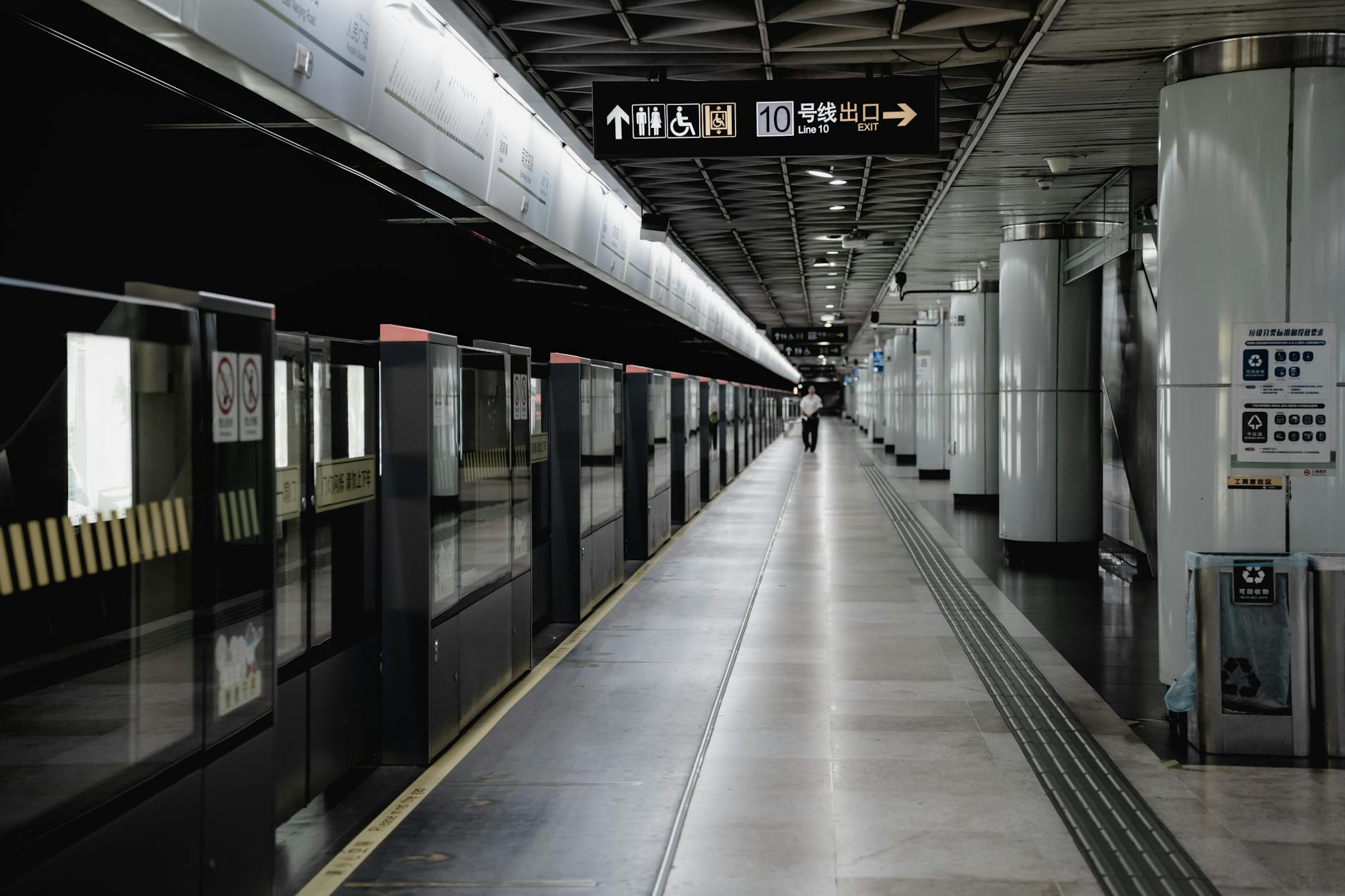
The tunnelbana is the backbone of the network, and it’s the mode you’ll lean on most. Three lines — Green, Red and Blue — meet at T-Centralen, directly beneath the main railway station. From almost anywhere central you’re a short walk or one easy change from a metro stop. If you only master one part of the system, make it this. For the full station-by-station rundown, our Stockholm Metro (Tunnelbana) Complete Guide goes deeper than I can here.
The Three Lines
Green Line (17, 18, 19): runs east–west, linking Södermalm, the centre, Vasastan and out to Hässelby and Farsta. This is the workhorse locals ride most.
Red Line (13, 14): runs south-west to north-east, from Fruängen and Norsborg through T-Centralen out to Mörby Centrum. Handiest for Gamla Stan, Södermalm and Östermalm.
Blue Line (10, 11): runs north-west from Kungsträdgården out to Akalla and Hjulsta. It’s the shortest line but carries the most dramatic art.
Everything converges at T-Centralen. After that the interchanges you’ll actually use are Slussen (the southern gateway to Södermalm), Fridhemsplan (Green meets Blue) and Gamla Stan (Green meets Red on the Old Town bridge).
Hours and Frequency
The tunnelbana runs roughly 05:00 to 01:00 Monday to Thursday, then around the clock on Friday and Saturday nights. At peak you’ll wait 2–4 minutes; off-peak, 5–10; late on weekend nights it stretches to about every 30. In practice you rarely wait long, and the SL app shows the live countdown at every platform.
The World’s Longest Art Gallery
The metro is a genuine sight in its own right. More than 90 of its 100-odd stations carry commissioned art — sculptures, mosaics, exposed rock, murals, light works — by well over a hundred Swedish artists. The stations I’d single out: T-Centralen (the blue-and-white vine murals), Kungsträdgården (the mossy underground cavern from every travel photo), Solna Centrum (a blood-red ceiling over a pine forest), Stadion (the rainbow-arched entrance), Rådhuset (raw red cave) and Tekniska Högskolan (Newton’s apple). A one-day ticket and a couple of hours is the classic “art ride”: start at Kungsträdgården, ride out and back, hop off at the big ones. Bring a camera; the lighting is better than you’d expect.
Buses, Trams and Commuter Rail
Buses
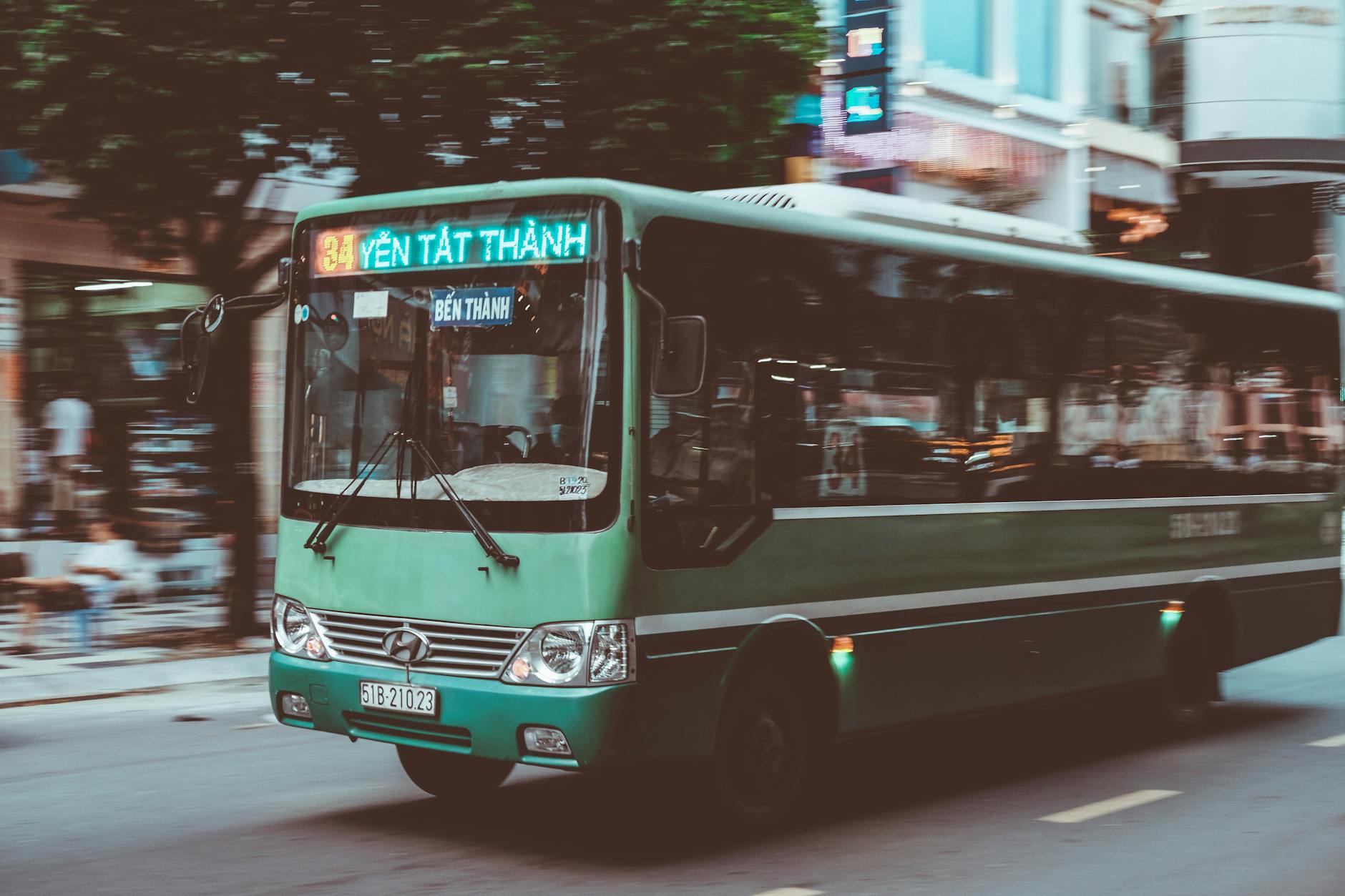
Stockholm’s bus network is huge and frequent, yet most first-timers barely notice it — the metro simply covers the central neighbourhoods that well. Buses earn their keep in three situations: the last kilometre into corners the metro misses (parts of Kungsholmen, Södra Djurgården, Kungsträdgården); overnight, when metro service thins and the main “blue buses” (routes 1–4) keep running key corridors; and the scenic routes, above all Bus 69 from Sergels Torg out through Djurgården to Blockhusudden — one of the prettier rides in the city for the price of a normal fare.
Pay by contactless, app or SL Access. Board at the front, tap the reader, and the driver will help if you’re unsure — English is the norm. Press the red stop button by the door when your stop is coming.
Trams and Light Rail
Four tram lines run in and around the city. The two you might use for logistics are Tvärbanan (line 22), which loops the southern and western edges and reaches Liljeholmen and Alvik, and Lidingöbanan (line 21), out to the island of Lidingö from Ropsten. The one you’ll actually enjoy is Spårväg City (line 7), the heritage tram from T-Centralen along Hamngatan to Djurgården, passing Skansen, the ABBA Museum, the Vasa Museum and Junibacken. It’s slower than walking in a spot or two, but it’s charming and drops you right in the museum cluster.
Commuter Rail (Pendeltåg)
The pendeltåg is SL’s suburban rail, threading through Stockholm Central out to Uppsala, Södertälje, Nynäshamn and — usefully — Arlanda Airport. Your regular SL ticket covers it inside the zone; the airport stop carries an extra station surcharge (more on that below). For visitors it mostly matters as the cheap way to and from Arlanda, and as a quick hop to the archipelago ferry ports south of the city. Our Stockholm Buses, Trams & Commuter Rail Explained guide breaks down the routes and quirks of all three in detail.
Ferries and Boats
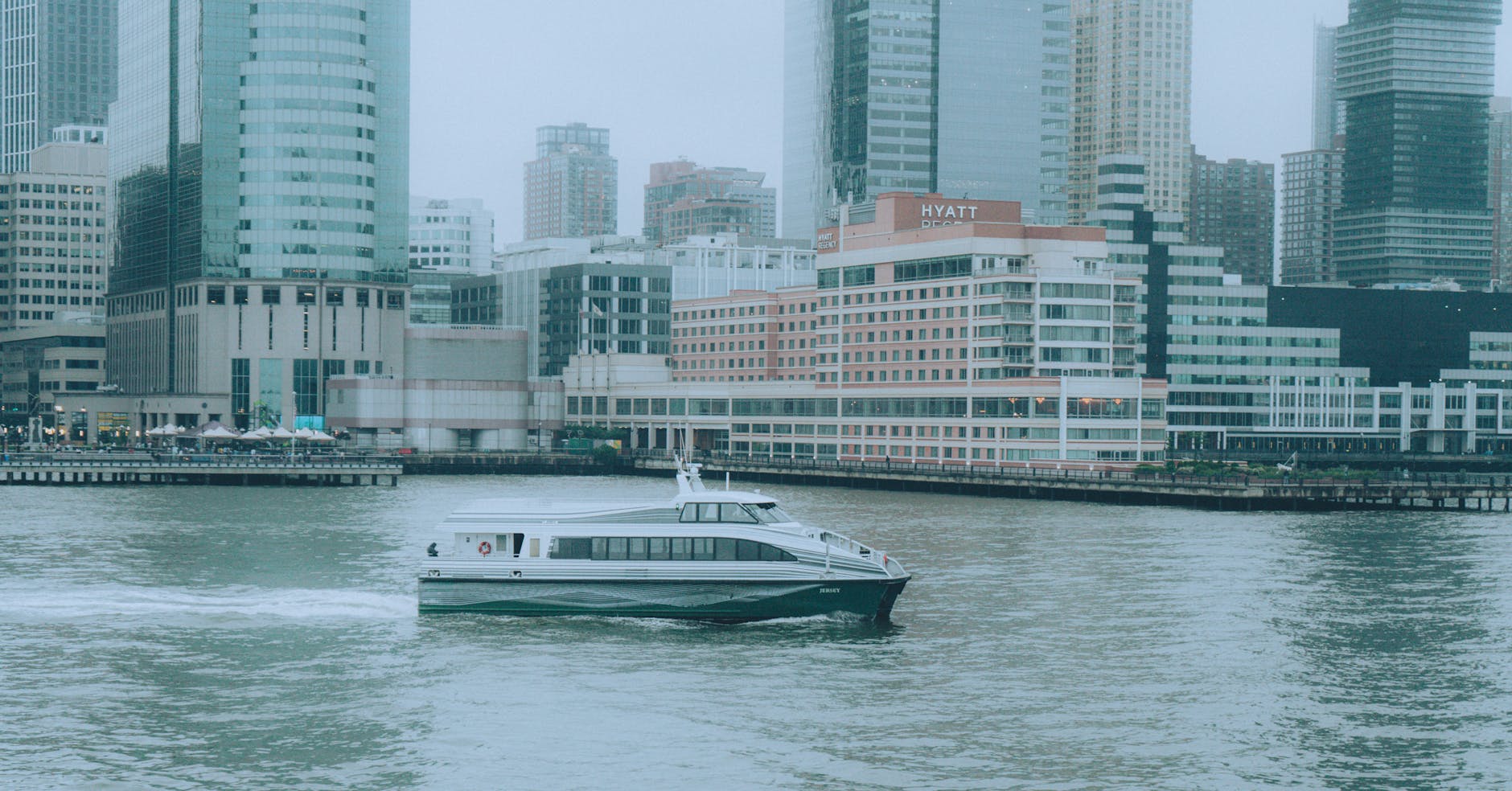
Stockholm sits on 14 islands, so water transport is baked into the system. There are three ferry networks worth knowing, and only one of them is separate ticketing. For the full picture — routes, seasons, which boat for which trip — see our Stockholm Ferries & Commuter Boats Guide.
The Djurgården Ferry (Djurgårdsfärjan)
A short, frequent hop between Slussen and Allmänna Gränd on Djurgården, via Skeppsholmen — and it’s covered by any SL ticket, so it feels free once you’ve bought a card. The crossing is about 10 minutes, runs several times an hour, and serves up one of the most photographed harbour views in the city. It’s also the fastest way to reach the Vasa Museum and Skansen from Södermalm or Gamla Stan.
Skeppsholmen is a request stop — tell the crew when you board if you want off there, or press the button on the quay to be picked up. Easy to sail straight past the first time.
Commuter Boats (Pendelbåten)
Line 80 runs between Nybroplan and Ropsten via Nacka Strand and Frihamnen; Line 83 links Klara Mälarstrand and Ekerö. Both are SL, so your normal ticket works. Line 80 is a bit of a locals’ secret — it skips waterfront traffic and doubles as a cheap pseudo-harbour cruise with commuter views thrown in.
Waxholmsbolaget (the Archipelago Ferries)
Different operator, separate tickets. Waxholmsbolaget runs the year-round archipelago boats to Vaxholm, Grinda, Sandhamn, Utö and dozens of smaller islands, mostly from Strömkajen in front of the Grand Hôtel. You buy on board by card — no cash — and there’s a multi-day pass if you’re island-hopping. Summer frequency is generous; winter can drop to one or two sailings a day on many routes. Our full archipelago guide covers which islands to pick.
Strömma’s Cinderella boats are the summer-only private alternative from Nybrokajen to Vaxholm, Grinda and Sandhamn — faster and smarter, but pricier. Book ahead in July and August.
Getting To and From Arlanda Airport
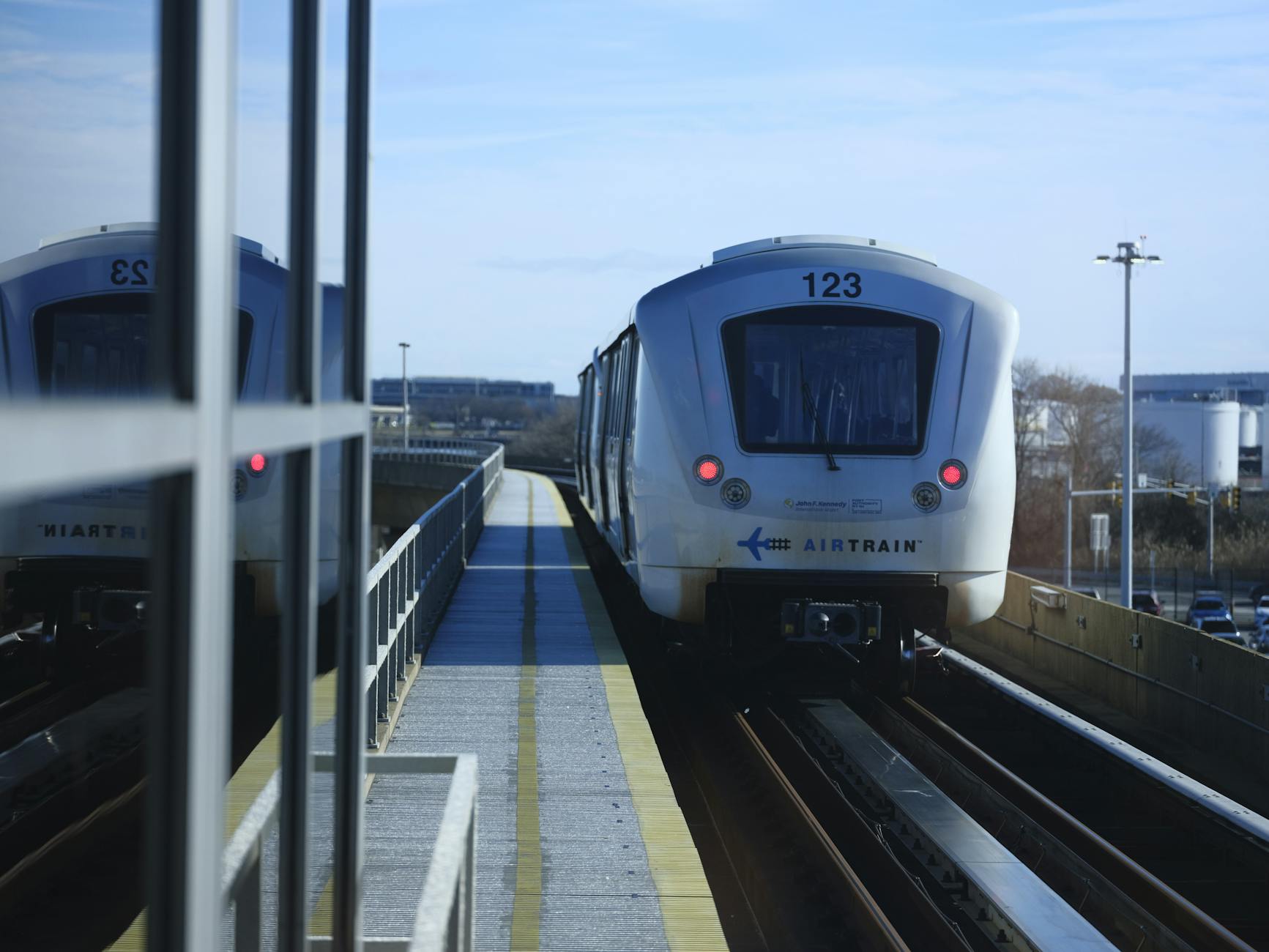
Arlanda (ARN) is the main airport, about 40 km north of the city. There are five sensible ways in, and the right one depends on your budget and how wrecked you are after the flight. For the full walkthrough see How to Get from Arlanda Airport to Stockholm City, and for the money-versus-time call there’s a dedicated Arlanda Express vs Bus vs Taxi comparison.
Arlanda Express (fastest, most comfortable)
About 18 minutes to Stockholm Central, roughly every 15 minutes, for around 340 SEK one-way (cheaper if you book a return online). It runs from early morning to late evening, with an escalator straight up from Terminal 5 arrivals — essentially no walking. It’s the priciest train per kilometre in Sweden, and after a long-haul flight I still think it’s usually worth it.
SL Commuter Train / Pendeltåg (cheapest train)
The pendeltåg runs Arlanda Central to Stockholm Central and on through the city. Reckon on about 40 minutes, every 30. The fare is a normal SL ticket plus a station surcharge at Arlanda (adults land around 177 SEK all-in; under-20s far less). Slower than the Express but far cheaper, and it plugs straight into any neighbourhood — the pick if you’re price-sensitive and not jet-lagged.
Flygbussarna (the airport coach)
The airport coach runs from all three terminals to Cityterminalen, next to Stockholm Central. Budget 40–50 minutes and around 129 SEK one-way, with online discounts. Bags go underneath; there’s WiFi and USB. This is the classic middle option — slower than the Express, roughly half the price, and dependable.
Fixed-fare taxi
The contracted airport firms (Taxi Stockholm, Taxi Kurir, Sverigetaxi) run to a fixed maximum fare into central Stockholm — around 800 SEK for up to four people, more for larger groups. That’s competitive with the train once four adults split it. The catch: only use the official ranks at Terminals 2 and 5, and never take up an offer from someone approaching you inside the terminal. That’s exactly how visitors end up paying wild sums for a short ride.
Uber / Bolt
Both operate at Arlanda, with pickup from the marked rideshare zone at each terminal. Fares swing with demand but often sit below the fixed-fare taxis at quiet times and above them at peak. The real draw is the guaranteed price in the app before you commit. Our Uber & Taxis in Stockholm guide has the full rundown on when a rideshare beats a cab.
What about Bromma Airport (BMA)?
Bromma is the small domestic airport, about 7 km out. Flygbussarna runs a shuttle (around 119 SEK, roughly 20 minutes to Cityterminalen), and city bus 110 links to Alvik metro for the price of one SL ticket. A Bolt or Uber runs a few hundred kronor into town.
Skavsta and Västerås — the “Stockholm” budget airports
Some low-cost carriers land at Skavsta (about 100 km south) or Västerås (about 110 km west) — both sold as “Stockholm” while being nowhere near it. Flygbussarna runs coaches from each (roughly 149 SEK from Skavsta, 139 from Västerås; around 80 and 75 minutes). Fold this into the true cost of a cheap fare: a bargain Ryanair ticket can be swallowed whole by the airport bus.
Night Transport
Stockholm is one of the easier European capitals to move around late. Metro lines run 24 hours on Friday and Saturday nights, roughly every 30 minutes through the small hours. Other nights, the metro winds down around 01:00 and the nattbussar (night buses, numbered in the 900s) take over, covering every metro corridor at about hourly intervals until morning service returns. Your normal SL ticket covers all of it, so a taxi is an option rather than a necessity.
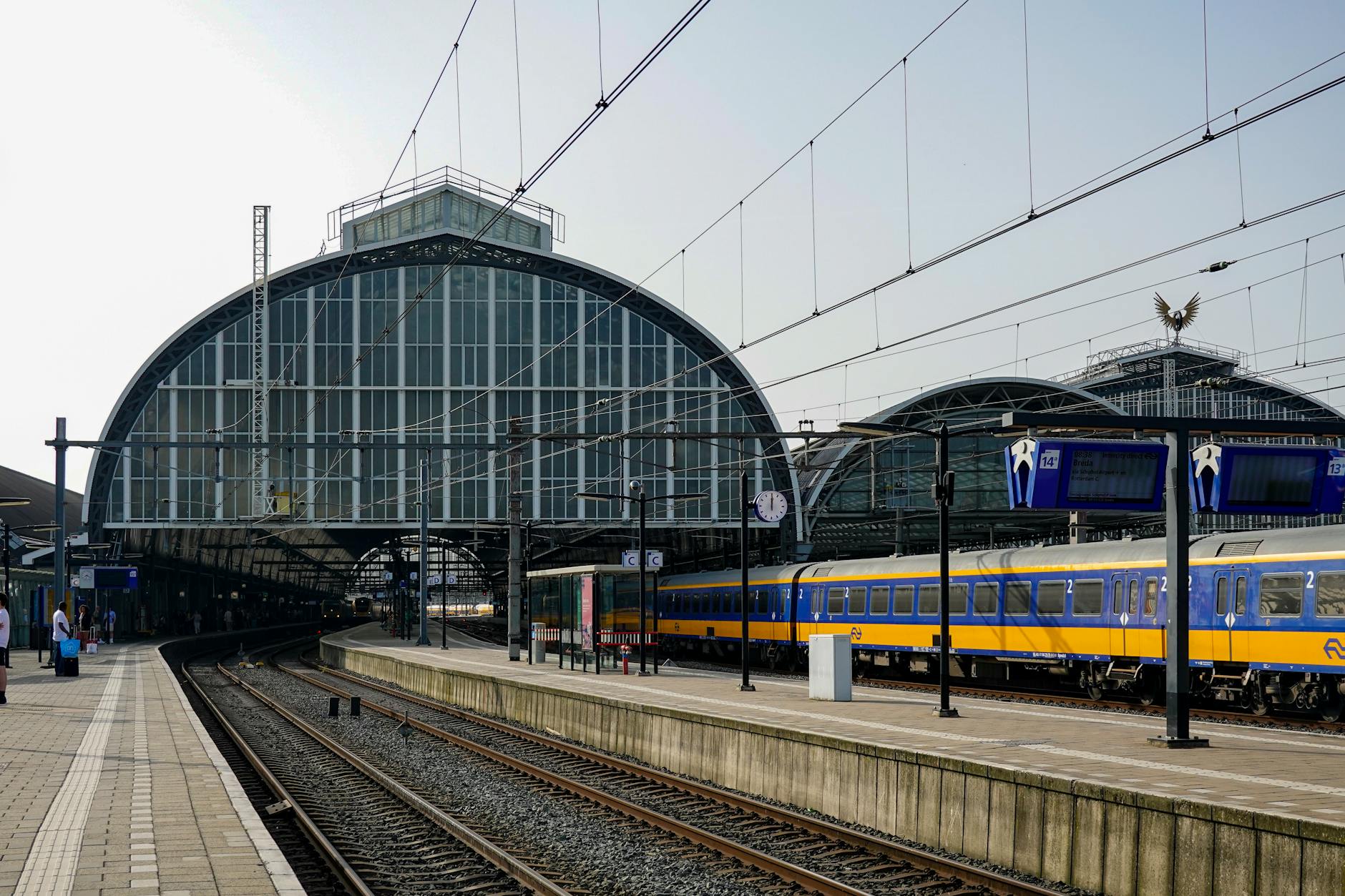
Trains Within Sweden
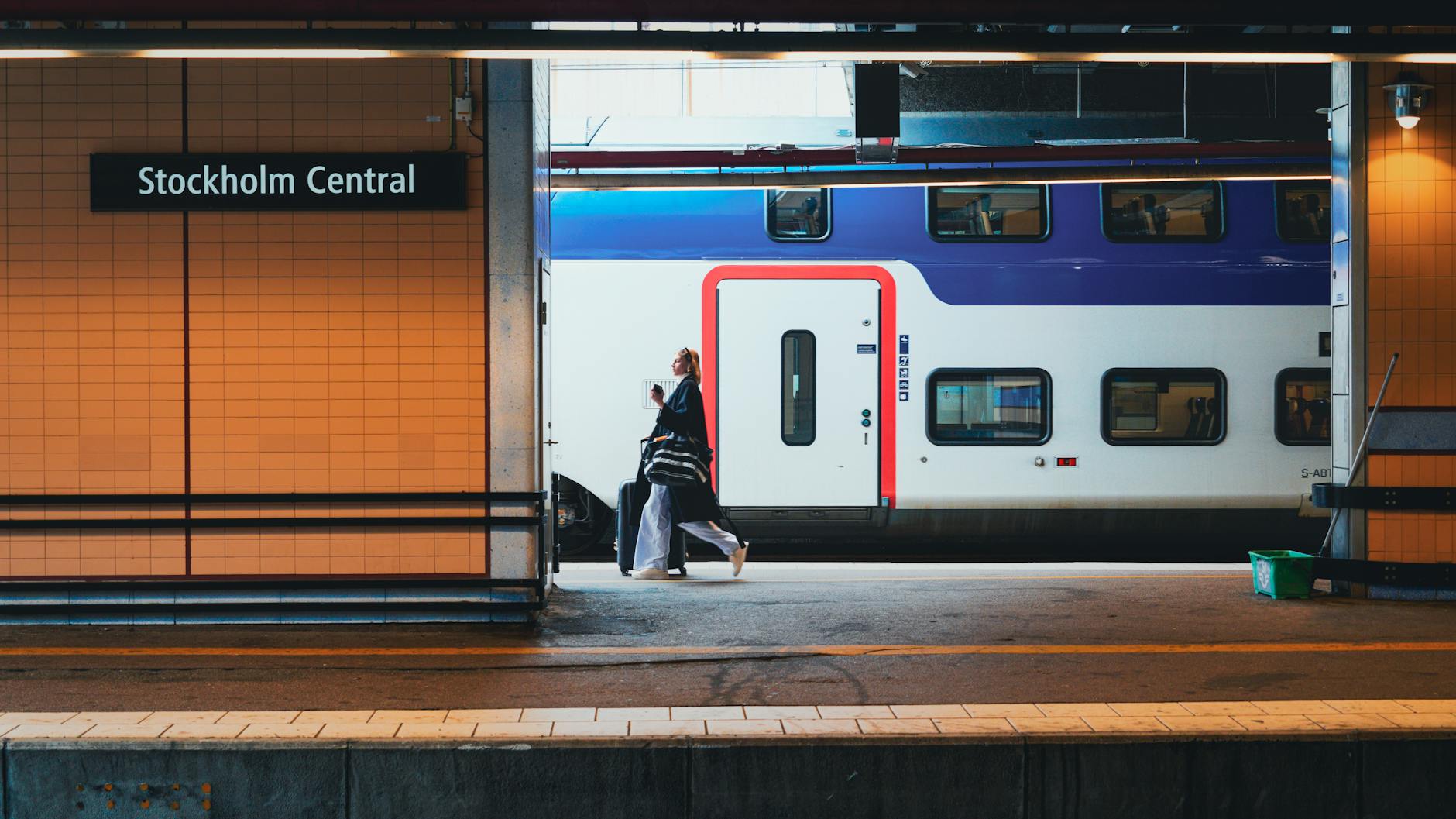
Pairing Stockholm with Gothenburg, Malmö, Uppsala or anywhere else? The train is almost always the answer.
SJ (Statens Järnvägar) — the main operator
SJ runs the high-speed intercity trains: Snabbtåg to Gothenburg (about 3 h), Malmö (about 4.5 h) and Copenhagen (about 5 h). Book at sj.se; advance fares can be genuinely cheap if you plan ahead, while walk-up prices climb steeply. Trains leave from Stockholm Central, and comfort is quiet-car, WiFi, decent bistro — efficient in the Scandinavian way.
Mälartåg — Regional Trains
These cover Uppsala, Västerås, Eskilstuna, Nyköping and the commuter belt just outside SL’s zone, running through Stockholm Central. Buy at machines or on the Movingo app.
MTR Express, Snälltåget, Flixtrain
Private operators on the busy intercity routes — sometimes meaningfully cheaper than SJ, rarely faster. Worth a quick price check for Stockholm–Gothenburg and Stockholm–Malmö.
Sleeper Trains
Stockholm to Narvik near the Arctic Circle, and Stockholm to Berlin via Snälltåget, are both proper summer adventures. Book cabins well ahead.
Cycling in Stockholm
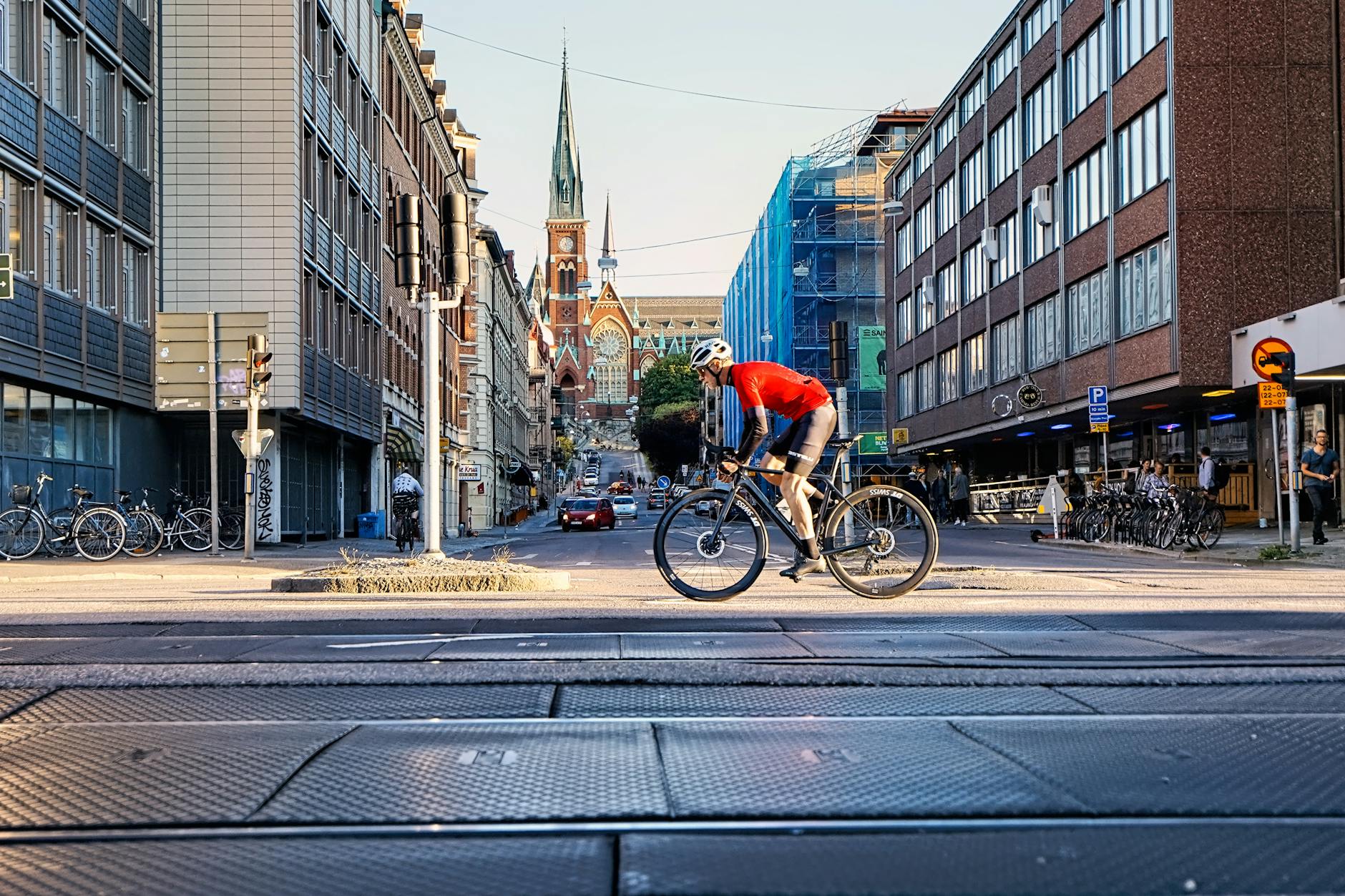
Between April and October this is a properly good cycling city. The centre has a dense web of dedicated lanes, drivers behave, and the waterfront loop from Djurgården through the Old Town to Kungsholmen is one of the best urban rides in Scandinavia. Winter riding carries on, but it turns into a local’s game — ice and dark-by-three aren’t kind to visitors.
Bike share: the current city-backed scheme has stations across the centre, unlocked from an app, with a day pass that works out better than paying per ride. Voi and Lime run e-scooters citywide on the usual unlock-plus-per-minute pricing — cheap over 1–3 km, less so on longer hops. Parking zones are strictly enforced; don’t dump one across a pavement unless you fancy a fine.
Rental shops: the tourist go-tos cluster near Djurgårdsbron and along Strandvägen, plus the outdoor kiosks on Djurgården itself. Reckon on a few hundred kronor a day for a standard bike, more for an e-bike. Our Cycling in Stockholm guide covers routes, rentals and seasons in full.
Walking
More of Stockholm is walkable than most visitors expect, and honestly it’s how you’ll see the best of it. Rough walking times from Stockholm Central:
- To Gamla Stan (Old Town): 10–12 minutes
- To Östermalm: 12–15 minutes
- To Södermalm: 15–20 minutes across the Slussen bridges
- To Djurgården (Vasa Museum): 25–30 minutes along the waterfront
- To Kungsholmen: about 15 minutes
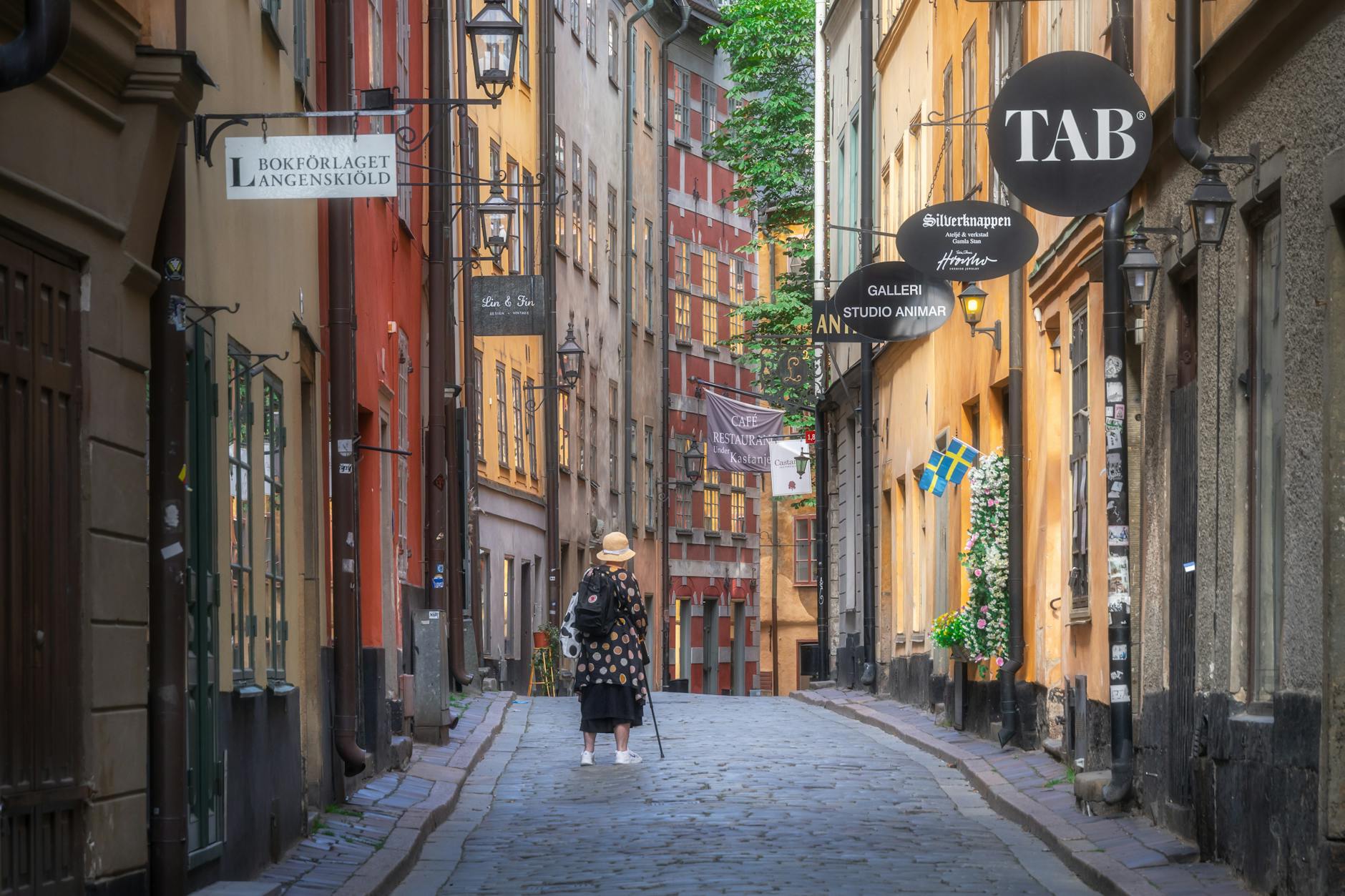
Here’s my honest rule: for anything under about 20 minutes in the centre, walk. You’d miss most of the character of Gamla Stan, SoFo and Vasastan at 30 km/h underground, and the streets themselves are half the point. Save the metro for genuine distance or tired legs. Our Walking in Stockholm guide maps out the best on-foot routes neighbourhood by neighbourhood.
Taxis, Uber and Bolt
Taxis are the one corner of the system that demands attention. Fares in Sweden are not regulated — an operator can charge whatever it likes, as long as the rate is on a sticker in the window. Unbranded cabs lurking at ranks in touristy spots have been known to charge several times the going rate. Never get in without reading the meter and the price per kilometre.
The safe options
Taxi Stockholm (yellow cars, the biggest fleet, fixed fares in the app), Taxi Kurir and Sverigetaxi are all reputable. Order through an app or flag one down.
Uber and Bolt both operate here, and Bolt is usually the cheaper of the two. Both show the price upfront, which makes them the safest bet for visitors; typical central fares run a couple of hundred kronor, and you’ll rarely wait more than five minutes for a car.
Avoiding scams: in any non-app taxi, agree a fast pris (fixed price) before you get in and read the yellow sticker on the rear window. If the numbers look wild for a short hop, walk away — the reputable firms keep their per-kilometre rate modest plus a small starting fee. The full comparison lives in our Uber & Taxis in Stockholm guide.
Driving and Parking in Stockholm (Don’t)
Skip the rental unless you’re leaving the city. Driving central Stockholm is a mistake on several counts: the congestion charge is billed automatically to the rental and quietly stacks up per entry at peak; parking is brutal, both in price and in the fact that street bays usually want a Swedish payment app a foreign card won’t register; the old city is narrow, one-way and awkward; public transport already reaches everywhere you’d drive; and the drink-drive limit is effectively zero, so a single glass with dinner is off the table.
If you are driving — out to the archipelago mainland, to Uppsala, to a summer house — the motorways are fast and well kept, and speed cameras are everywhere, so watch your numbers. The only real reason to rent from the city itself is a same-day onward trip. Our Driving in Stockholm guide covers the congestion charge, parking apps and car hire if you do need wheels.
Accessibility
Stockholm is one of the stronger capitals for accessibility. Every metro station has at least one lift; buses are low-floor; the Arlanda Express is fully accessible; and Flygbussarna and Waxholmsbolaget both carry wheelchairs. The SL app has an “accessible routes only” filter in journey planning. A handful of older tram stops still have high platforms, but they’re clearly signposted.
A Sample Three-Day Transport Plan
Day 1 (arrival): Arlanda Express to Stockholm Central (around 340 SEK). Walk 10 minutes to a Norrmalm hotel, or ride one metro stop. Buy a 72-hour SL travelcard (around 375 SEK) at the T-Centralen machines.
Day 2 (classic day): metro to Gamla Stan, wander the Old Town, then the Djurgården ferry from Slussen to spend the afternoon on the museum island (Vasa plus Skansen). Bus 69 or tram 7 back. All of it sits on the 72-hour card — no new spend.
Day 3 (explore day): ride the Blue-line art loop (Kungsträdgården, Rådhuset, Solna Centrum, Stadion), then pendeltåg or a Waxholmsbolaget ferry out to Vaxholm for lunch and back. Only the archipelago boat is separate ticketing (around 80 SEK each way); everything else is on the pass.
Day 4 (departure): Arlanda Express or Flygbussarna to the airport. Your 72-hour card lapses that morning, so tap contactless or grab a single for the last leg.
All in, a person can cover four days of transport for roughly 1,000 SEK — nearly all of it unavoidable. The one real choice is comfort versus cost at the airport: Arlanda Express, or save a fair bit with Flygbussarna both ways.
Three Common Mistakes
1. Buying singles all week. Four rides a day for five days at the single fare comfortably beats the price of a 7-day card — and yet visitors overpay this way constantly. Get the pass.
2. Taking a random taxi at the airport. A Terminal 5 rank holds both the reputable contracted firms and freelancers who’ll charge a fortune. Read the sticker, or use the official rank inside the cordon.
3. Renting a car “for convenience.” You’ll spend more on the congestion charge and parking than you would on SL. The only trip that justifies a rental from Stockholm is an onward drive.
Essential Apps
- SL — tickets, journey planning, live departures. Indispensable.
- Bolt — usually the cheaper rideshare in Stockholm.
- Uber — a solid backup for Bolt.
- Taxi Stockholm — for fixed-fare taxis with luggage.
- Arlanda Express — discounted advance tickets, easier than buying at the airport.
- Voi / bike share — scooters and city bikes.
- Google Maps — pulls live SL data and handles walking directions well.
FAQ
How do I get from Arlanda Airport to Stockholm?
Four main options: the Arlanda Express train (about 18 minutes, around 340 SEK), the SL pendeltåg commuter train (about 40 minutes, roughly 177 SEK), the Flygbussarna coach (about 40 minutes, around 129 SEK), or a fixed-fare taxi (around 800 SEK for up to four people). For most visitors the Express or the coach are the natural picks — speed versus savings.
What’s the best public transport ticket for Stockholm?
For one to three days, the 72-hour SL travelcard (around 375 SEK) covers the lot — metro, bus, tram, commuter trains and the Djurgården ferry. For four to seven days, the 7-day card (around 450 SEK) wins comfortably. If you’re only dipping onto transit now and then, contactless tap-and-go works at every gate. Confirm current SL fares before buying.
How much does public transport cost in Stockholm?
A single 75-minute ticket is around 44 SEK via app or contactless. Rough travelcard prices: 24-hour about 175 SEK, 72-hour about 375, 7-day about 450, 30-day about 1,070. Children under 7 travel free, and under-20s and seniors pay a reduced fare. Treat these as ballpark and check the current SL tariff.
Do I need cash for Stockholm public transport?
No. Every SL gate and onboard reader takes contactless cards, Apple Pay, Google Pay and the SL app. In fact, cash isn’t accepted on buses or ferries at all — Sweden is close to cashless, so travel with a card or a phone wallet.
Is the Stockholm metro safe at night?
Yes. The tunnelbana is one of Europe’s safer metro systems, and it runs 24 hours on Friday and Saturday nights. On other nights, night buses cover every corridor at about hourly intervals once the metro winds down, so you’re rarely stuck. Ordinary common sense is enough.
What’s the difference between the Arlanda Express and the commuter train?
The Arlanda Express is a dedicated high-speed shuttle: about 18 minutes, around 340 SEK, roughly every 15 minutes. The SL pendeltåg is a regular commuter train: about 40 minutes, roughly 177 SEK including the Arlanda station surcharge, every 30 minutes. The Express is roughly twice as fast; the pendeltåg is roughly half the price.
Is Uber available in Stockholm?
Yes — both Uber and Bolt operate here, and Bolt is usually the cheaper. Both show the fare upfront, which is the safest way to take a taxi in Sweden, since fares aren’t regulated by law. Typical central rides run a couple of hundred kronor, and you’ll rarely wait long for a car.
Is the Djurgården ferry included in the SL pass?
Yes. The Djurgårdsfärjan between Slussen and Djurgården (via Skeppsholmen) is part of the SL network, so any SL ticket or travelcard covers it. The crossing is about 10 minutes and runs several times an hour — one of the nicest bits of ordinary transit in the city.
Can I use Google Maps for public transport in Stockholm?
Yes. Google Maps pulls live SL data and plans routes well. The SL app has a slight edge on real-time disruptions and lets you buy tickets, but for pure navigation Google Maps is perfectly fine — plenty of visitors use it the whole trip.
Should I rent a car in Stockholm?
No, for almost every visitor. Central Stockholm has a congestion charge, expensive parking and a transit network that reaches everywhere tourists go. Rent a car only if you’re driving onward — to Uppsala, the archipelago mainland, or a summer house — and even then, pick it up as you leave the city.
Final Thoughts
Stockholm’s transit is the best reason to leave the rental car at the desk and trust the network. Buy a 72-hour travelcard, learn the three metro colours, keep the SL app on your home screen, and within about a day of landing you’ll move around the city like you’ve lived here for months. When you want to go deeper on any single mode, the guides below pick up exactly where this one leaves off.
For context beyond getting around, our neighbourhoods and where-to-stay guide explains which part of the city each line and ferry actually lands you in, the things-to-do guide is built around walkable clusters, and the archipelago guide covers the Waxholmsbolaget schedules in full.