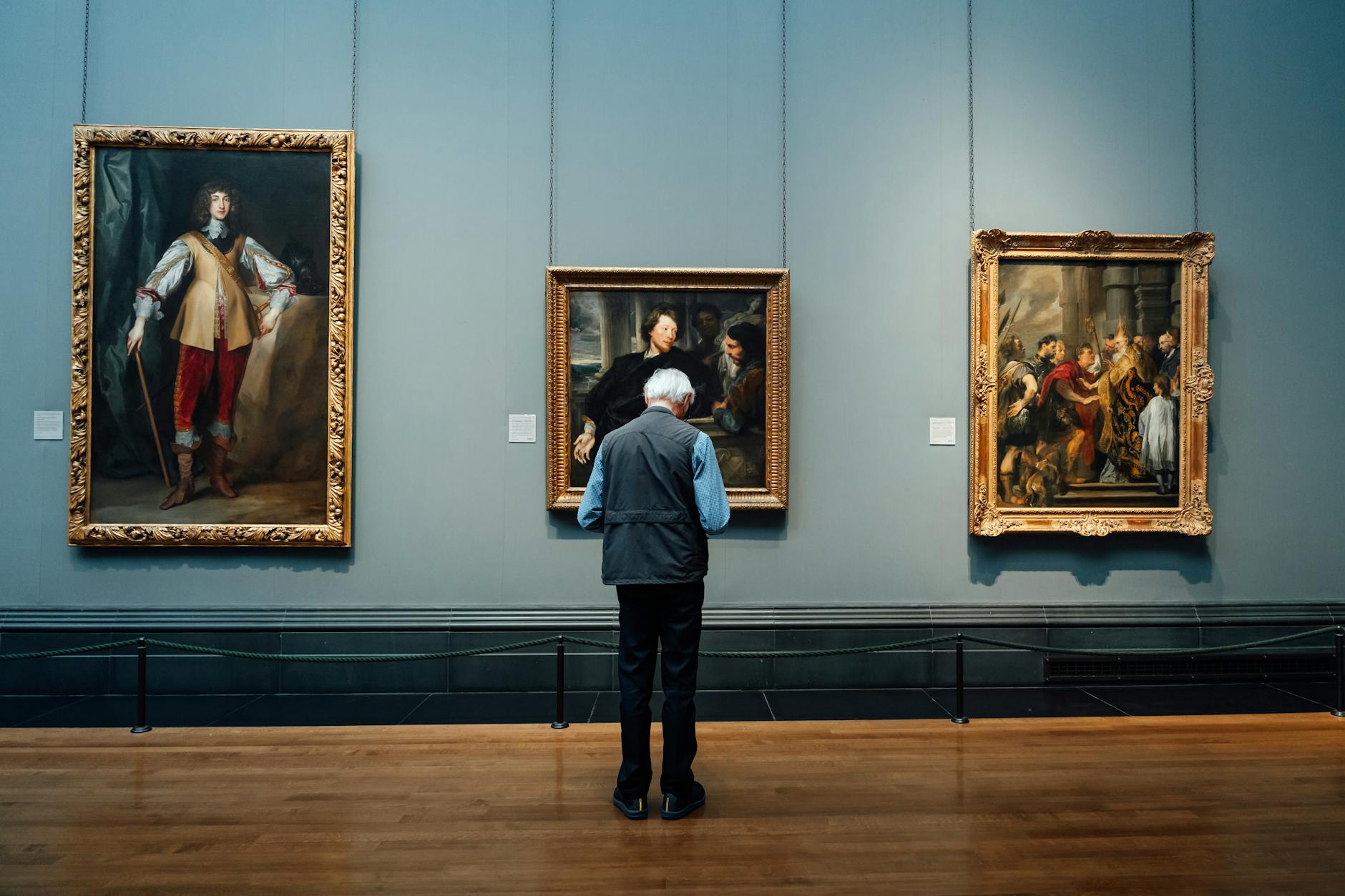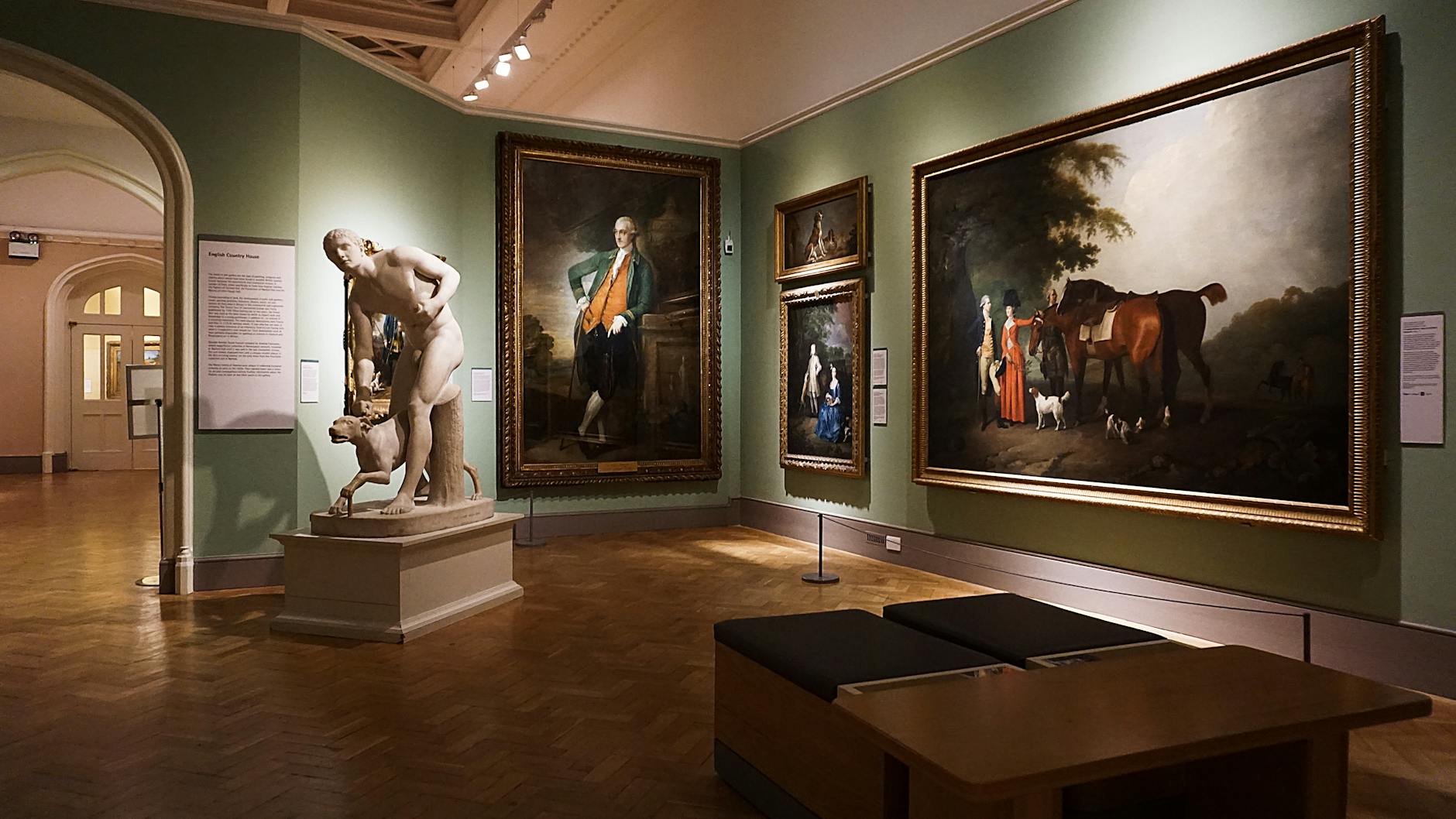
Here is the thing most first-time visitors don’t realise until they walk in: the Nationalmuseum Stockholm is completely free to enter. Sweden’s national art museum sits on the Blasieholmen waterfront, directly across the water from the Royal Palace, and its permanent collection of roughly 700,000 works costs nothing to see. You get Rembrandt, Renoir, Monet and Goya alongside Sweden’s own giants — Anders Zorn, Carl Larsson, Bruno Liljefors — without paying a krona.
I keep sending people here because it delivers a proper world-class art museum in the middle of a compact, walkable city. This guide covers hours, tickets, the works I’d prioritise, how to get there, and how to pair it with the rest of the waterfront. If you’re plotting a wider museum route, start with our Stockholm Museums & Top Attractions guide and slot this in — it’s one of the easiest half-days in town.
Nationalmuseum Stockholm essentials at a glance
| Detail | Info |
|---|---|
| Address | Södra Blasieholmshamnen 2, 111 48 Stockholm |
| Hours | Tue 10:00–20:00; Wed–Sun 10:00–17:00; closed Mon |
| Permanent collection | Free admission |
| Special exhibitions | Around 175 SEK adult, free under 18 |
| Time needed | 1.5–3 hours |
| Nearest metro | Kungsträdgården (blue line), 5-min walk |
| Best time | Tuesday evening or first hour after opening |
Hours and exhibition prices do shift, especially around new shows, so confirm the current details on the museum’s own site before you go. But the headline holds: the permanent galleries are free, and that alone makes this one of the best-value stops in the city.
Why the Nationalmuseum is worth your time
The building reopened in 2018 after a five-year renovation, and it shows. Ceilings were uncovered, the top-floor galleries flooded with natural light, and the whole layout now flows in a way it simply didn’t before. If you last saw it a decade ago, treat it as a new museum.
What I love is the range. This isn’t a one-note collection. You can stand in front of a monumental Rembrandt, walk five minutes, and find yourself among the sun-drenched Swedish summer scenes that define how the country sees itself. For a visitor, that mix is the point — you get international heavyweights and a genuine crash course in Swedish art history under one roof.
What you’ll see at the Nationalmuseum
Swedish Golden Age (late 19th–early 20th century)
This is the section I’d steer you toward first, because you won’t see it done better anywhere else on earth. The late-1800s were Sweden’s artistic high point, and the Nationalmuseum owns the definitive holdings.
- Anders Zorn — Sweden’s most famous painter. Loose, luminous plein-air work, portraits and nudes. His “Midsummer Dance” (1897) is the picture people cross the room for.
- Carl Larsson — the illustrator who basically invented the cosy Swedish domestic aesthetic. His watercolours of family life at Sundborn are why the world thinks Swedish homes look the way they do.
- Bruno Liljefors — wildlife and landscape painter; foxes, sea eagles, marshland, all rendered with a naturalist’s eye.
- Eugène Jansson — brooding blue Stockholm cityscapes and, later, male nudes.
- Hilma af Klint — the pioneering abstract painter whose work now draws global crowds; shown periodically here.
European Old Masters
A serious collection of 17th-century Dutch and Flemish painting anchors the older galleries — Rembrandt, Frans Hals, Jacob Jordaens. Add strong Spanish work (Goya, El Greco), Italian Renaissance pieces, French rococo (Watteau, Boucher) and German Renaissance from Cranach the Elder, and you have a properly rounded survey of European art.
French Impressionism
Smaller than the Musée d’Orsay, but the individual works punch well above their number. Look for Renoir’s “La Conversation,” plus pieces by Monet, Manet and Degas. It’s a lovely, low-crowd pocket of the museum.
Decorative arts and design
Don’t skip these floors. The Nationalmuseum’s decorative-arts holdings trace Swedish design from 18th-century Gustavian furniture through 19th- and 20th-century glass, ceramics, silver and porcelain. If you’ve come to Stockholm partly for its design reputation, this is where the roots are.
Sculpture, drawings and prints
The sculpture galleries include work by Carl Milles, Sweden’s best-known sculptor, alongside classical Greek and Roman pieces. There are also more than 200,000 works on paper — Swedish, Dutch and Italian masters — rotated in and out because of light sensitivity, so what’s on show changes.
Special exhibitions
The museum runs major temporary shows through the year, and these are the only part that carries a ticket (around 175 SEK). Past highlights have included Hilma af Klint and the fairy-tale illustrator John Bauer. Check what’s on before you visit — a strong show can be the reason to make the trip.
Nationalmuseum tickets and passes
Here’s how the pricing actually works, because it trips people up:
- Permanent collections: free, drop-in, no booking needed.
- Special exhibitions: around 175 SEK for adults, free under 18.
- Combined: a special-exhibition ticket also grants access to everything else, so you never pay twice.
- Stockholm Pass / Go City: special-exhibition entry is included, which can tip the maths if you’re already holding a city pass.
- Audio guide: download it free through the Nationalmuseum app before you arrive — it adds real context.
Because the permanent galleries are free, this is a great rainy-hour fallback or a low-commitment first stop. Prices can change, so treat 175 SEK as “around” and confirm at the door.
How to get to the Nationalmuseum
The location is central and hard to miss — a grand palatial block on the Blasieholmen waterfront.
- On foot: easy walking distance from Norrmalm city centre, Östermalm and Skeppsholmen. The Royal Palace is just across the water.
- Metro: Kungsträdgården (blue line) is a 5-minute walk; Östermalmstorg (red line) about 10 minutes.
- Tram 7: stops near Strömkajen, a short walk away — handy if you’re coming from Djurgården.
- Bus: several SL lines stop nearby along Strandvägen and Kungsträdgården.
Best time to visit the Nationalmuseum
Timing makes a real difference to how the place feels. My picks, in order:
- Tuesday evening (open until 20:00): the quietest slot, with lit galleries and a calmer mood. This is my top recommendation.
- The first hour after opening (10:00): reliably peaceful any weekday.
- Weekday mornings generally: thinner crowds than afternoons.
- Avoid: Saturday and Sunday afternoons (busiest), and Mondays entirely (closed).
Top works to see at the Nationalmuseum
If you only have 90 minutes, build a highlights loop around these:
- Anders Zorn — “Midsummer Dance” (1897): the definitive Swedish summer scene.
- Rembrandt — “The Conspiracy of Claudius Civilis”: the museum’s international showpiece.
- Carl Larsson — the Sundborn interiors: the images that shaped Swedish home style.
- Renoir — “La Conversation”: the pick of the Impressionist room.
- Cranach the Elder — “Lucretia”: cool, precise German Renaissance.
- Goya — Spanish portraits: a surprisingly strong showing.
- Bruno Liljefors — wildlife scenes: Swedish nature at full drama.
- Eugène Jansson — Stockholm cityscapes: the city in moody late-1800s blue.
Café, restaurant and shop
Restaurant Atrium, in the museum’s light-filled courtyard, is genuinely good — a cut above the usual museum canteen, with Swedish lunch and dinner and mains in the rough 245–395 SEK range. Book ahead for dinner. There’s also a lighter café for coffee, pastries and sandwiches, and a gift shop with a strong art-book selection. Prices vary, so check the current menu.
Combining the Nationalmuseum with other sights
This is where the location really pays off — you can chain several classics into one afternoon.
Nationalmuseum + Moderna Museet
The two sit a five-minute walk apart on Blasieholmen and Skeppsholmen. Pairing the national collection with the modern one makes a perfect art day — see the full plan in our Moderna Museet Stockholm Guide.
Nationalmuseum + Royal Palace
They face each other across the water, roughly a 10-minute walk via the Skeppsholmsbron bridge. Two Stockholm icons back to back; our Royal Palace Stockholm guide covers timing and the changing of the guard.
Nationalmuseum + Djurgården museums
Hop on tram 7 or the ferry to Djurgården and you’re minutes from the city’s museum island. Pair the art here with the 17th-century warship at the Vasa Museum Stockholm, the open-air history of Skansen Open-Air Museum, or a sing-along at the ABBA Museum Stockholm. For a very different mood, the waterfront galleries at Fotografiska Stockholm stay open late.
Practical tips before you go
- Photography is allowed for personal use without flash; some special exhibitions restrict it.
- Accessibility is excellent — full wheelchair access and lifts to every floor.
- Families are well served, with children’s audio-guide content and regular workshops.
- Cloakroom: use it. The galleries are large and you’ll be walking a while.
- Guided tours run daily and are included with admission — check the day’s schedule on arrival.
Frequently asked questions
How much does the Nationalmuseum cost?
The permanent collections are free to enter with no booking required. Special exhibitions cost around 175 SEK for adults and are free for under-18s. A special-exhibition ticket also covers the rest of the museum, and the Stockholm Pass and Go City include special-exhibition access. Confirm current prices before you visit.
What are the Nationalmuseum opening hours?
Tuesday 10:00–20:00, Wednesday to Sunday 10:00–17:00, and closed on Monday. The late Tuesday opening is the quietest, most atmospheric slot. Hours can change around holidays and new exhibitions, so it’s worth a quick check on the museum website before heading over.
Is the Nationalmuseum worth visiting?
Yes. It’s Sweden’s national art museum, with roughly 700,000 works spanning Rembrandt, Renoir, Monet and Goya plus the country’s own Zorn, Larsson and Liljefors. Free admission to the permanent collection is rare among major European art museums, and the 2018 renovation left it looking superb. Budget 1.5 to 3 hours.
What is the most famous painting at the Nationalmuseum?
Anders Zorn’s “Midsummer Dance” (1897) is the iconic Swedish work and the one most visitors seek out. Rembrandt’s “The Conspiracy of Claudius Civilis” is the standout international masterpiece. Both are easy to find and firmly worth building a highlights route around.
How long do you need at the Nationalmuseum?
Plan on 1.5 to 3 hours. Ninety minutes covers a focused highlights loop through the Swedish Golden Age and the Old Masters. Give it 2.5 to 3 hours if you want to take in the decorative arts, sculpture and a special exhibition without rushing.
How do you get to the Nationalmuseum?
It’s on the Blasieholmen waterfront, easy walking distance from Norrmalm city centre. Kungsträdgården metro (blue line) is a 5-minute walk and Östermalmstorg (red line) about 10. Tram 7 stops near Strömkajen, and several SL buses run along Strandvägen. The Royal Palace sits directly across the water.
What’s the difference between the Nationalmuseum and Moderna Museet?
The Nationalmuseum covers the 16th to early 20th century — classical and pre-modern art. Moderna Museet, a five-minute walk away on Skeppsholmen, covers 20th-century and contemporary work. Their proximity makes them an ideal pairing for a single, well-rounded art day on the waterfront.
Final thoughts
The Nationalmuseum is the rare big-city art museum that asks almost nothing of you — no ticket for the permanent galleries, a central location, and a collection that runs from Rembrandt to the cosiest corners of Swedish design. I’d give it a Tuesday evening if you can, pair it with the Royal Palace or Moderna Museet, and let the Swedish Golden Age be the part you slow down for.
Photo credits: image via Pexels (see credits below).