Stand in the outer courtyard just before noon and you understand why the Royal Palace anchors every first trip to Stockholm: the guard band strikes up, boots ring on the cobbles, and behind it all looms one of the largest working palaces in Europe. It is a real royal address, not a museum pretending to be one.
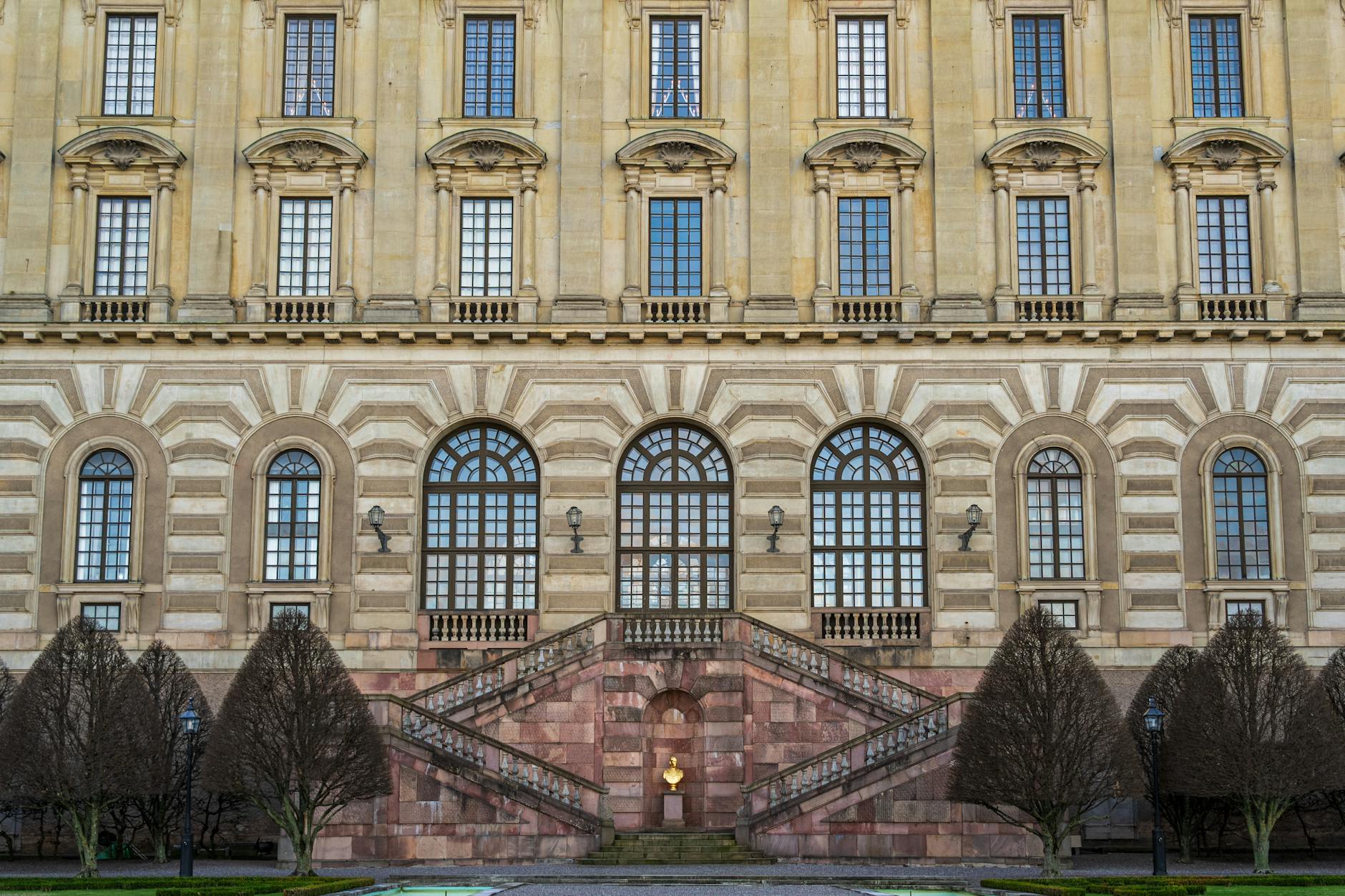
Visiting the Royal Palace Stockholm (Kungliga Slottet) means touring the official residence of the Swedish monarch in Gamla Stan, the Old Town. One admission ticket covers five separate museums under a single baroque roof, and the free Changing of the Guard ceremony runs most days around 12:15. Budget two to three hours and confirm current hours before you go.
This guide is for first-time visitors who want the highlights without wasted steps, and for royal-history fans who want to know which rooms and collections are genuinely worth lingering over. It sits within our wider Stockholm Museums & Top Attractions guide, so once you have ticked off the palace you will know where to head next.
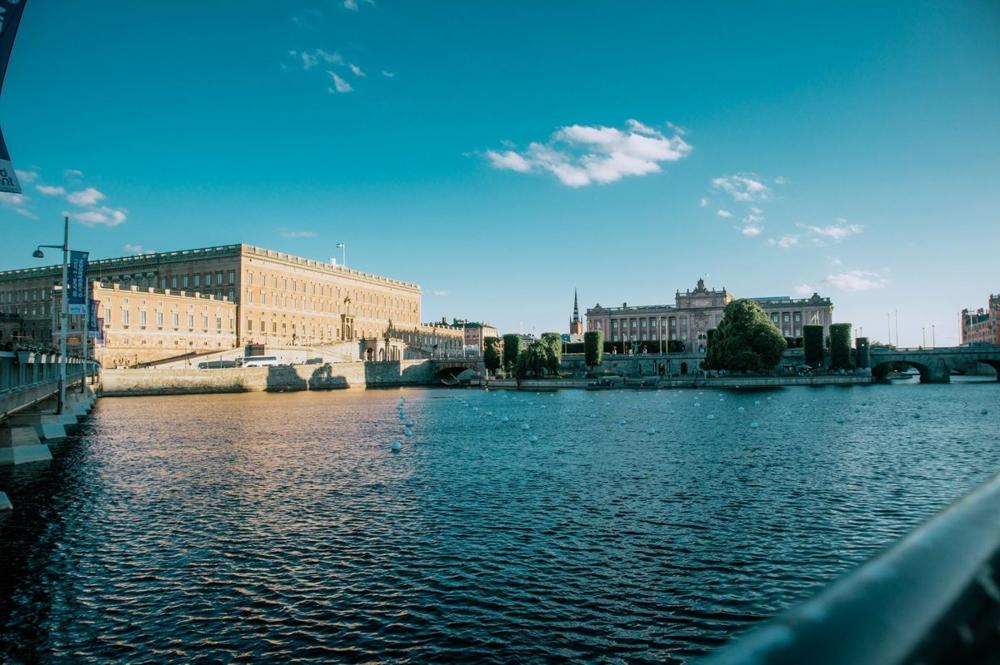
Royal Palace Stockholm at a glance
| Detail | What to expect |
|---|---|
| Address | Slottsbacken 1, 111 30 Stockholm (Gamla Stan) |
| Opening hours | Seasonal. Roughly daily 10:00-17:00 in summer; shorter hours and some closed days in winter. Confirm before you go. |
| Adult ticket | Around 200 SEK (children 7-17 about half; under 7 free). Prices change yearly – check the official site. |
| What’s included | Royal Apartments, Treasury (crown jewels), Tre Kronor Museum, Gustav III’s Museum of Antiquities, plus audio guide |
| Time needed | 2-3 hours for the full visit, 40 minutes extra for the guard ceremony |
| Changing of the Guard | Most days around 12:15 (later on Sundays and holidays). Free to watch. |
| Passes | Included with Stockholm Pass / Go City Stockholm |
| Nearest metro | Gamla Stan (green line), about a 5-minute walk |
A quick honesty note on the numbers above: palace hours shift with the seasons and rooms close at short notice for state visits, royal weddings and the odd private ceremony. Ticket prices creep up most years too. I have hedged the figures here on purpose – always cross-check the official Kungliga Slotten website the week you travel so you are not caught out at the door.
What you’ll see inside the Royal Palace Stockholm
The thing to grasp is that Kungliga Slottet is not one attraction but a cluster of them. It has more than 600 rooms across roughly 11 floors, and your single ticket opens the doors to four museums plus a run of ceremonial state rooms. Here is what each holds and, candidly, how much of your time it deserves.
The Royal Apartments
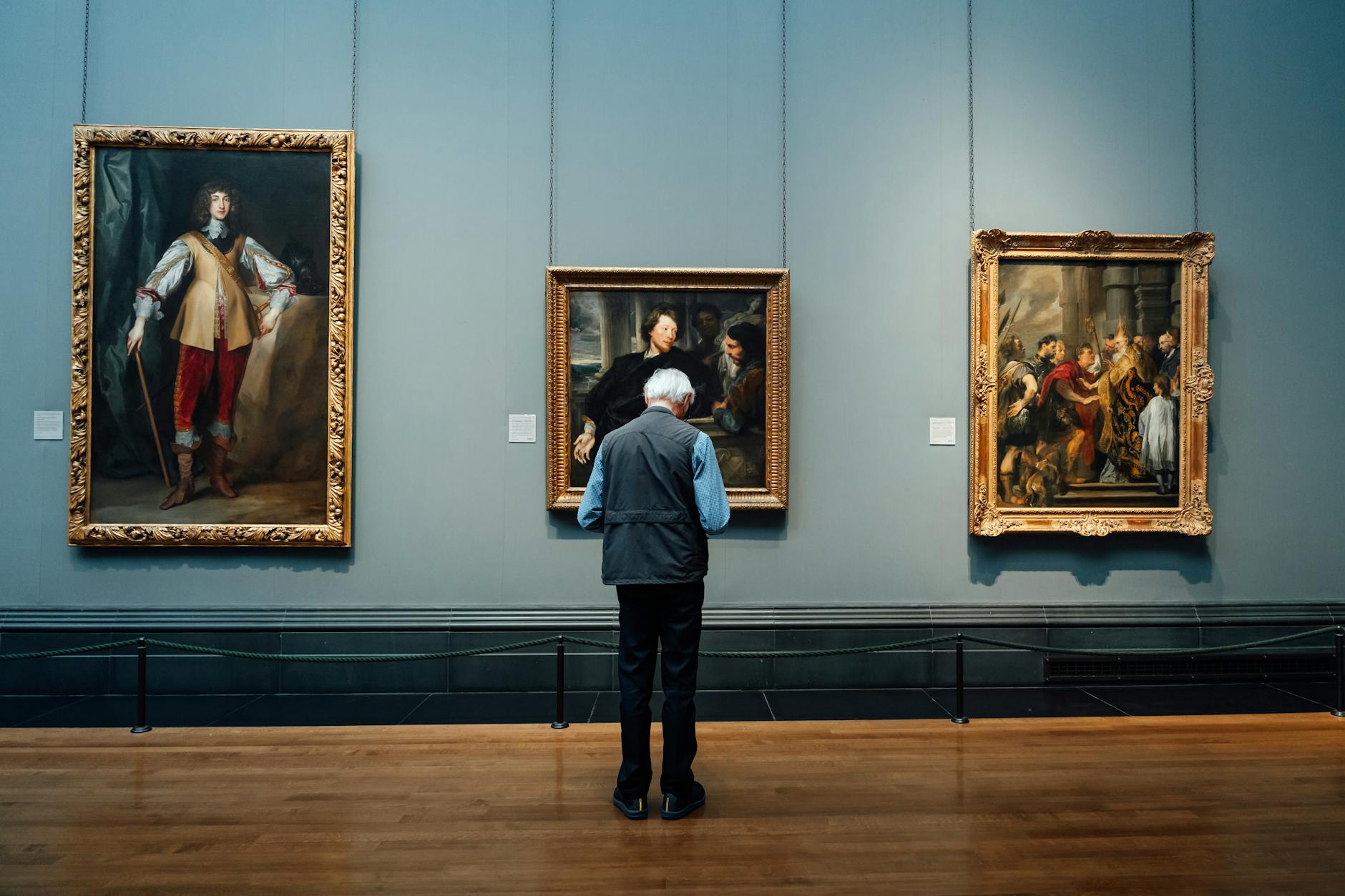
These are the grand reception rooms still used for state banquets and official functions – the working heart of the palace. You walk through state dining rooms, drawing rooms and ballrooms hung with royal portraits and dressed in original 18th- and 19th-century furnishings. Karl XI’s Gallery, a long baroque hall modelled on Versailles, still hosts the occasional Nobel banquet. Give this the most time; it is the reason most people come.
The Treasury (Skattkammaren)
Down in the vaulted cellars sits the Treasury, home to the Swedish crown jewels. Crowns, sceptres, orbs and ceremonial regalia from the 16th to 18th centuries are laid out in low light, and it is among the best-preserved state regalia collections in Europe. It is compact – 20 to 30 minutes – but it is the single most memorable stop for a lot of visitors, so do not skip it to save time.
Tre Kronor Museum
Tucked into the medieval cellars beneath the north wing, this museum tells the story of the fortress that stood here before – Tre Kronor – until fire destroyed it in 1697. You see charred stonework, recovered medieval objects and models of the old castle. It is a genuinely atmospheric contrast to the polished apartments upstairs, and worth 20 minutes for anyone curious about the site’s deeper history.
Gustav III’s Museum of Antiquities
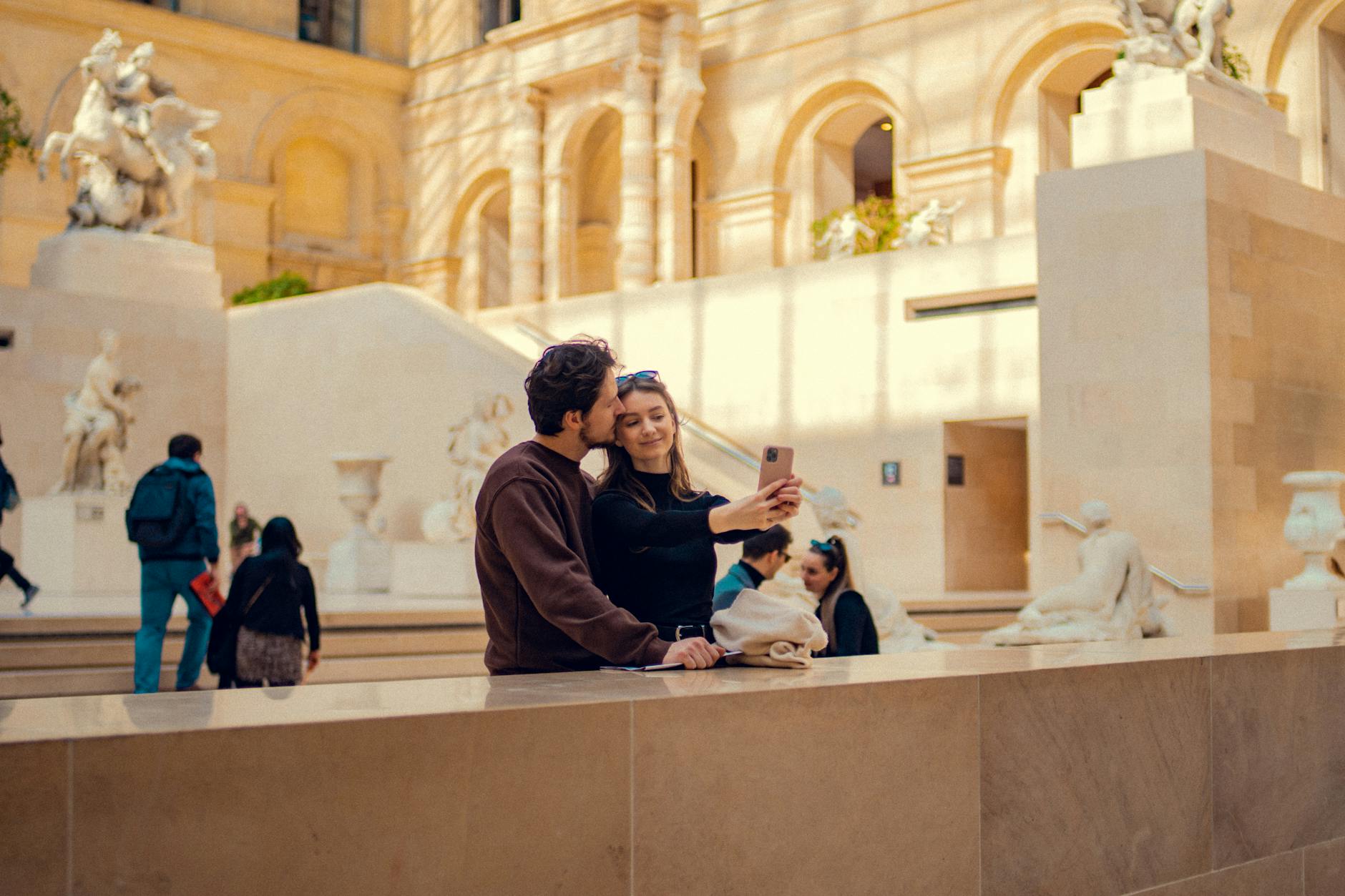
King Gustav III brought back a collection of Greek and Roman sculpture from his Italian travels in the 1780s, and it is displayed here much as it was in his day – one of Europe’s oldest surviving museum interiors. Marble gods and emperors line the two galleries. It is a niche pleasure: brilliant if you like classical antiquity, quietly skippable if you are short on time and museum-fatigued.
The state rooms and Royal Chapel
Beyond the ticketed museums you can usually see the Hall of State, where the silver throne stands, and the Royal Chapel, still used for royal baptisms and weddings and rich with ecclesiastical art. The Bernadotte Apartments, restored to a mid-19th-century look, open on some routes too. Which rooms are accessible on the day depends on what the palace is hosting, so treat these as a bonus rather than a guarantee.
The Changing of the Guard at Kungliga Slottet
This is the free spectacle, and honestly it is one of the better ones in Europe because Sweden still uses conscript soldiers who guard the palace for real. The ceremony takes place in the outer courtyard (Yttre borggarden) and runs roughly 40 minutes.
Timing to plan around: the changeover happens most days at about 12:15, and later – around 13:15 – on Sundays and public holidays. In high summer it runs close to daily; off-season it happens on fewer days, so this is exactly the kind of detail to confirm on the official schedule before you build your morning around it.
The full show, with a marching military band and a longer parade through Gamla Stan, generally runs daily from late April through August. On Wednesdays and Saturdays in those warmer months you often get the mounted guard on horseback, which is the most photogenic version by a distance.
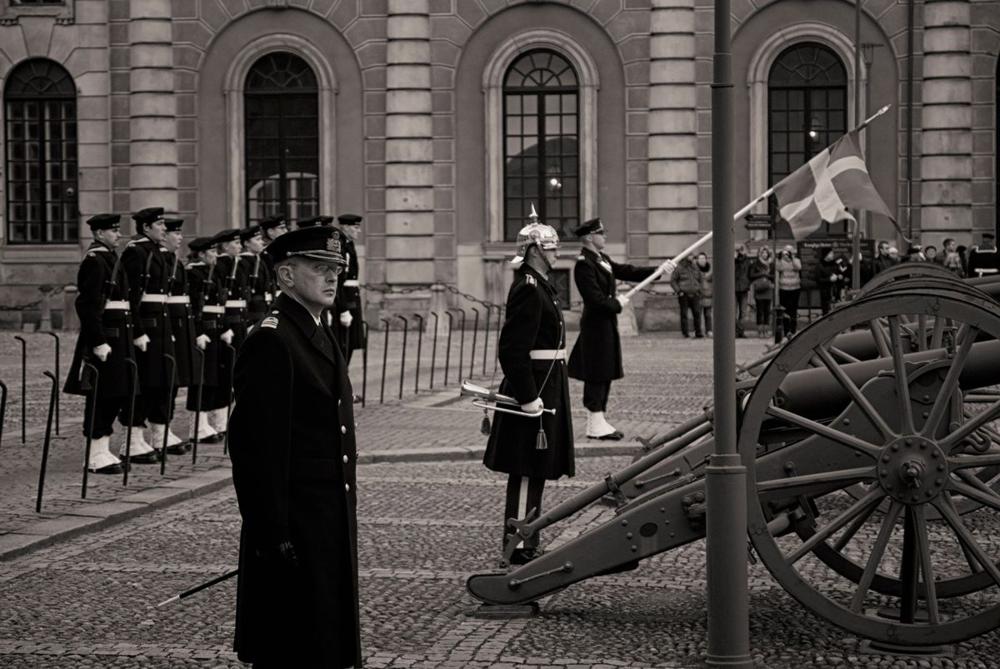
My advice: arrive at the courtyard 25 to 30 minutes early for a front spot along the rope, ideally on the side facing the palace entrance. If you would rather watch the build-up, the guard parades in along Storkyrkobrinken and Slottsbacken beforehand, so you can catch them on the march and then slip into the courtyard.
Tickets, passes and how to plan your visit
A standard adult ticket runs around 200 SEK, with children roughly half price and under-sevens free; family tickets and student rates usually exist too. That one ticket covers all four museums and the audio guide, which comes in several languages and genuinely earns its keep – the rooms mean far more with the commentary running.
If you are doing several paid sights, the Stockholm Pass / Go City Stockholm includes palace entry and can pay for itself quickly. There is often a discounted combined ticket with Drottningholm Palace, the royal family’s actual home on the city’s western edge, if you plan to see both. As ever, prices change year to year, so confirm the current rate rather than budgeting off this page.
How long to budget and the best time of day
Two to three hours covers the Apartments, Treasury, Tre Kronor and Antiquities at an unhurried pace; add the 40-minute guard ceremony on top. For the calmest visit, arrive at the 10:00 opening on a weekday and start with the Treasury before groups arrive. Alternatively, watch the guard change at 12:15 and head inside straight after, when the courtyard crowd disperses. I would avoid summer weekend middays, which are the busiest window by far.
Getting there and accessibility
The palace sits in the middle of Gamla Stan. It is about a 5-minute walk from Gamla Stan metro on the green line, roughly 15 minutes on foot from Stockholm Central, and an easy stroll from the Stromkajen ferry quay if you are arriving by boat from Djurgarden or Skeppsholmen. Bus 2 and several other SL lines stop nearby.
Most of the palace is wheelchair accessible via lifts, though a handful of older 18th-century rooms still have steps. If you have specific access needs, it is worth contacting the palace ahead so staff can point you to the smoothest route. Wear comfortable shoes either way – you cover a lot of ground across those floors.
Combining the Royal Palace with the rest of Gamla Stan
One of the joys of the palace is that it drops you straight into the Old Town, so it is easy to build a half-day around it. A five-minute walk brings you to Stortorget, Stockholm’s oldest square, ringed by those postcard-perfect ochre and red facades and home to a lovely Christmas market in winter. The Nobel Prize Museum sits right on the square.
Storkyrkan, the cathedral where Swedish royal weddings take place, is next door to the palace, and the medieval alleys, cellar restaurants and the tiny Royal Mint are all within a few minutes’ walk. Give yourself an extra hour or two just to wander; it is the part of the visit people remember most fondly.
When you are ready to move beyond the Old Town, the city’s other great collections are close. Cross the bridge to Skeppsholmen for the free Nationalmuseum Stockholm and its design galleries, or hop a ferry to the museum island of Djurgarden, where the extraordinary Vasa Museum Stockholm houses a fully intact 17th-century warship. Also on Djurgarden you will find the open-air history of Skansen Open-Air Museum and the singalong crowd-pleaser that is the ABBA Museum Stockholm. For a change of register, the waterfront photography shows at Fotografiska Stockholm run late into the evening.
A little history: from Tre Kronor to today
The palace you see today rose from disaster. The medieval Tre Kronor castle burned down on 7 May 1697, and architect Nicodemus Tessin the Younger began the current baroque palace that same year. Construction dragged on until 1760 – some 63 years – which is why the interiors span several changing tastes.
Here is a fact that surprises people: the royal family no longer actually lives here. They reside at Drottningholm Palace on Lake Malaren, and Kungliga Slottet serves as the official residence for state functions, royal ceremonies and the Nobel Prize banquet. That is precisely why so much of it is open to you – it is a state palace at work, and you get to walk through it.
Royal Palace events worth knowing about
A few dates bring extra ceremony – and extra crowds. The King’s birthday on 30 April sees public parades and a mounted guard; Sweden’s National Day on 6 June brings the royal family out onto the balcony. On 10 December the Hall of State stages events around the Nobel Prize, and parts of the palace close to the public during the banquet itself. Royal weddings, baptisms and incoming state visits can also shut individual rooms at short notice, so a quick check of the calendar before you travel saves disappointment.
Frequently asked questions
How much does the Royal Palace Stockholm cost?
A standard adult ticket is around 200 SEK, with children aged 7 to 17 roughly half price and under-sevens free; family and student rates usually apply. That covers all four museums and the audio guide. Prices rise most years, and the Stockholm Pass and Go City Stockholm both include entry, so confirm the current rate before you go.
What are the Royal Palace opening hours?
Hours are seasonal. In summer the palace is generally open daily, roughly 10:00 to 17:00; in winter it opens shorter hours and is closed on some days. Rooms also close at short notice for state occasions. Always check the official Kungliga Slotten website the week you travel rather than relying on fixed times.
What time is the Changing of the Guard at the Royal Palace?
The changeover happens most days at about 12:15, and later – around 13:15 – on Sundays and public holidays. The full ceremony with a military band and parade runs daily from late April through August, with the mounted guard usually on Wednesdays and Saturdays. Off-season it happens on fewer days, so confirm the schedule first.
Is the Royal Palace Stockholm worth visiting?
For most first-timers, yes. Few places let you tour a working royal residence, see a nation’s crown jewels and watch a real guard ceremony on one ticket. If you have only a day in the city and enjoy history or architecture, it earns its spot. Confirmed museum sceptics might prefer the Vasa Museum instead.
How long do you need at the Royal Palace?
Plan two to three hours to see the Royal Apartments, Treasury, Tre Kronor Museum and Museum of Antiquities without rushing. Add roughly 40 minutes if you want to watch the Changing of the Guard, and another hour or two if you intend to wander the surrounding Gamla Stan streets afterwards, which I would strongly recommend.
Are the crown jewels at the Royal Palace?
Yes. The Swedish crown jewels and state regalia are displayed in the Treasury (Skattkammaren), in the vaulted cellars beneath the palace. You will see crowns, sceptres, orbs and ceremonial pieces dating from the 16th to 18th centuries. It is one of the better-preserved regalia collections in Europe and, for many visitors, the highlight of the whole palace.
Does the Swedish royal family live in the Royal Palace?
No. King Carl XVI Gustaf and the royal family live at Drottningholm Palace, west of the city centre. Kungliga Slottet remains the official royal residence and is used for state functions, ceremonies and the Nobel Prize banquet. Because it is not a private home, large parts of it stay open to visitors year-round.
Where is the Royal Palace located?
The palace stands in Gamla Stan, Stockholm’s Old Town, at Slottsbacken 1. It is about a 5-minute walk from Gamla Stan metro station on the green line, roughly 15 minutes on foot from Stockholm Central, and a short walk from the Stromkajen ferry quay. It could hardly be more central or easy to reach.
Final thoughts
If you do just one “grand” sight in Stockholm, make it this one. The mix of a real royal address, the crown jewels, the medieval undercroft and a free guard ceremony packs a lot into a couple of hours, and it leaves you standing in the prettiest part of the city with the afternoon still ahead. Go in the morning, take the audio guide, and confirm the hours and guard schedule before you set off – the palace changes its rhythm with the seasons, and a two-minute check saves the visit.
Related Stockholm guides
- Stockholm Museums & Top Attractions (main guide)
- Vasa Museum Stockholm
- Nationalmuseum Stockholm
- Skansen Open-Air Museum Guide
- ABBA Museum Stockholm
- Moderna Museet Stockholm Guide
- Fotografiska Stockholm
Photo credits: Pham Ngoc Anh and Dima Burakov on Pexels.