The first time a Swedish colleague pushed back from their desk mid-morning and said “ska vi fika?”, I assumed it was just a coffee run. It isn’t. It’s a small, sacred pause — and once you understand it, you start to see it everywhere in Swedish life.
So, what is fika? Fika (pronounced FEE-kah) is the Swedish ritual of a coffee-and-something-sweet break, usually mid-morning or mid-afternoon, almost always shared with other people. It’s a noun and a verb — you can “have a fika” or simply “fika.” It’s less a snack than a social institution, woven into work, friendships, and even dating. This guide covers where fika comes from, what to order, how to do it politely as a visitor, and the best places to try it in Stockholm.
Fika sits at the heart of the city’s café culture, so it’s worth reading alongside our wider guide to Stockholm Food & Restaurants, and our roundup of the best cafes in Stockholm for fika if you want a ready-made list of where to go.
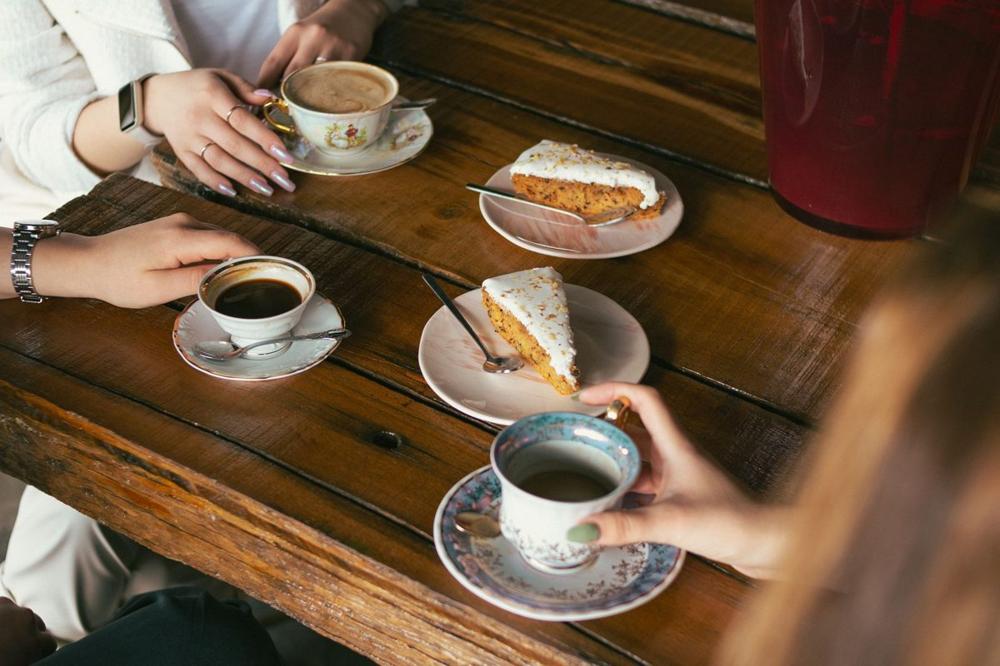
What is fika, exactly?
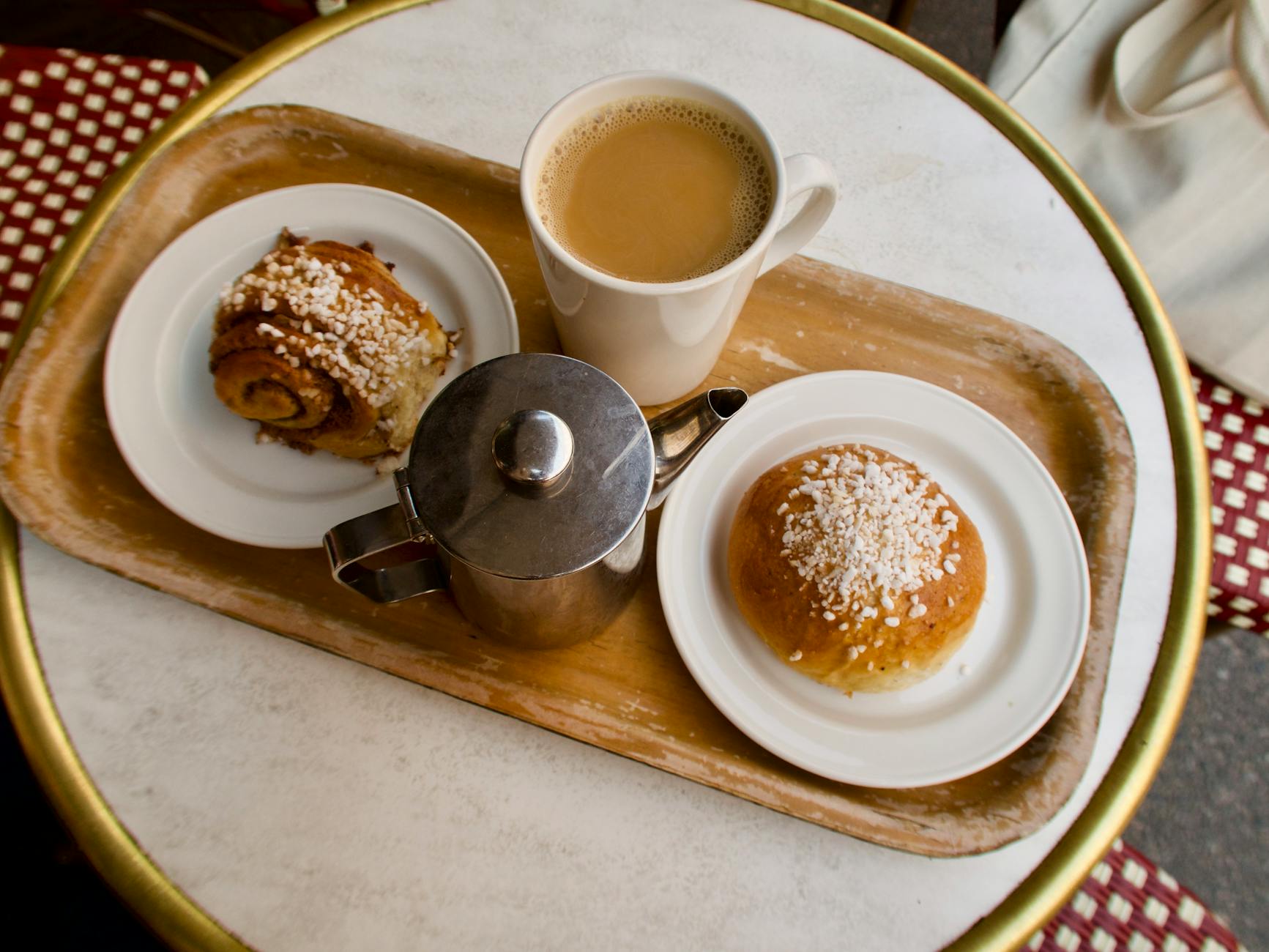
At its simplest, fika is coffee plus a pastry, taken as a deliberate break rather than grabbed on the run. But the ritual matters more than the ingredients. Here’s the shape of it:
- When: mid-morning (roughly 10:00–11:00) and mid-afternoon (around 14:00–16:00). Plenty of Swedes do both, every day.
- What: strong coffee — usually filter or French press — with a sweet bun or cake, most often a cinnamon bun.
- Where: a café, an office kitchen, a conference room, or someone’s home. The setting is flexible; the pause is not.
- How long: 15 to 45 minutes. Long enough to actually talk, short enough not to swallow the afternoon.
- With whom: almost always other people. Fika is about the conversation as much as the coffee.
The key word is pause. Fika is a culturally sanctioned excuse to stop, sit, and be present with someone — very much in keeping with the Swedish idea of lagom, the balanced “just right” that governs so much of life here.
Where the word comes from
The most-repeated origin story is a charming one: “fika” is thought to be back-slang from the 19th century, a playful reversal of “kaffi” (an old spelling of coffee), from a time when coffee was periodically taxed or banned and Swedes talked around it. It’s a widely cited explanation rather than a documented certainty, but it fits the mischievous spirit of the word.
What’s not in doubt is Sweden’s coffee habit. The country consistently ranks among the world’s top coffee consumers per capita — several cups a day is normal — and fika is the ritual that organises all that drinking into something social. The institutional coffee break became standard as Swedish workplaces formalised in the early 20th century, and it never left.
What to eat at fika
Kanelbullar: the fika default
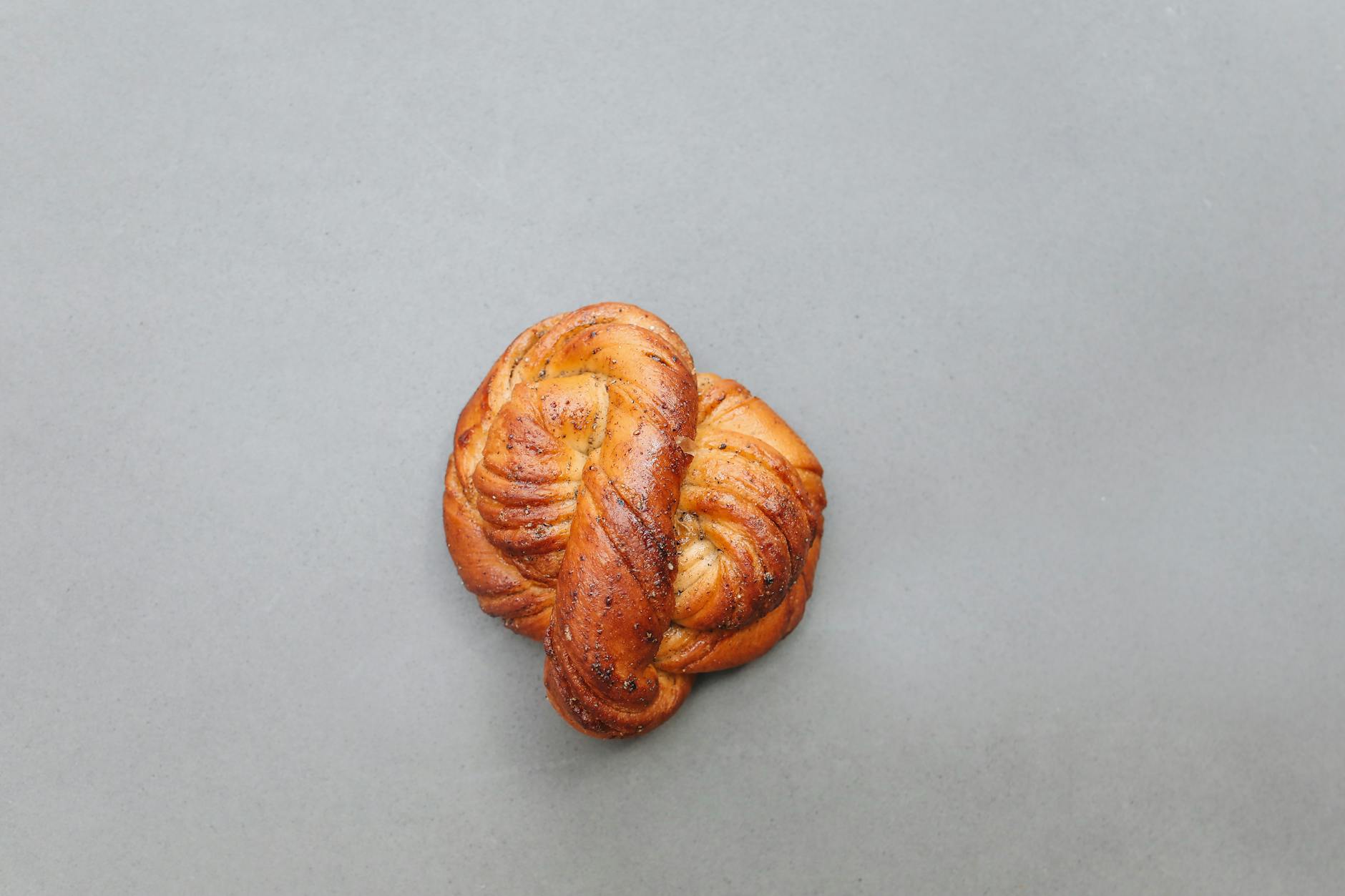
The cinnamon bun is the archetypal fika pastry — bigger, less sugary, and far more cardamom-forward than an American cinnamon roll, usually finished with pearl sugar rather than icing. Swedes love it enough to give it a national day: Kanelbullens Dag on 4 October. In Stockholm, Vete-Katten (since 1928) and Café Saturnus (home of some of the city’s biggest) are the classic pilgrimages; Fabrique does a reliably good sourdough version almost everywhere.
The rest of the fika canon
- Semla: a cardamom bun filled with almond paste and whipped cream — a seasonal treat eaten in the weeks before Easter.
- Kardemummabulle: the cinnamon bun’s cardamom-heavy cousin, and many locals’ secret favourite.
- Chokladboll: a no-bake “chocolate ball” of cocoa, oats, and butter rolled in coconut or pearl sugar.
- Kladdkaka: Sweden’s gloriously gooey chocolate cake, somewhere between a brownie and a molten pudding.
- Mazarin & drömmar: an iced almond tartlet and crumbly almond “dream” cookies, respectively.
- Wienerbröd: buttery Danish-style pastries.
- Prinsesstårta: the green-marzipan princess cake — more a celebration cake than an everyday fika, but a Stockholm icon.
Savoury fika is increasingly common too: an open-faced sandwich (smörgås) or a slice of savoury pie for a heartier mid-morning break. For the full pastry landscape, our guide to the best bakeries in Stockholm goes bun by bun.
The many faces of fika
Office fika
This is where fika is most institutional. Most Swedish workplaces pause together once or twice a day, and some companies build dedicated fika rooms into the office. It isn’t slacking — it’s where cross-team chatter, casual problem-solving, and workplace bonding actually happen. Tech firms like Spotify and Klarna are known for taking office fika seriously.
The fika date
A “fika-dejt” is the low-stakes Swedish first date: more substantial than a quick coffee, far less loaded than dinner. It’s a very Swedish way to test the waters without over-committing, and it’s genuinely common. If a Swede suggests fika, it can be friendship or flirtation — read the room.
Home and weekend fika
Sunday fika at a parent’s or grandparent’s kitchen table is a cherished tradition, and weekend fika with friends is the social glue between busy weeks. Plenty of Stockholmers fika at home most days with a French press and whatever’s in the tin.
Where to fika in Stockholm
Stockholm has the country’s densest concentration of excellent fika spots. A short list to get you started:
Heritage cafés (the classics)
- Vete-Katten (Kungsgatan 55) — a 1928 institution and my top pick for first-timers.
- Café Saturnus (Eriksbergsgatan 6, Östermalm) — famous for enormous cinnamon buns.
- Sturekatten (Riddargatan 4, Östermalm) — belle-époque parlours in an old apartment.
- Tössebageriet (Karlavägen 77, Östermalm) — a classic bakery, especially strong on semla.
Modern and specialty spots
- Drop Coffee (Södermalm) — for those who care about the coffee as much as the cake.
- Snickarbacken 7 — an atmospheric café-gallery in a former carriage house; ideal for a fika date.
- Fabrique and Bröd & Salt — dependable homegrown bakery chains all over town.
- Café Pascal, Lillebrors, Mellqvist — the everyday favourites locals return to, especially on Söder and in Vasastan.
For weekend mornings that spill into something bigger, our best brunch spots in Stockholm guide is a natural next step.
Fika etiquette for visitors
Good news: you don’t need to be Swedish to fika, and cafés welcome the practice. A few pointers so it feels natural:
- Order at the counter in most places — pay first, then find a seat. A few heritage konditori do table service.
- Expect strong filter coffee. If you want an espresso or cappuccino, ask specifically; otherwise you’ll likely get brewed coffee.
- Ask about “påtår.” Many cafés include a free filter-coffee refill — just say “påtår?”.
- Embrace cardamom. It’s everywhere in Swedish baking. Not a fan? Order a chokladboll or kladdkaka instead.
- Go cashless. Bring a card or use Swish — many cafés take no cash at all.
- Don’t rush. The whole point is the pause, so give it 30 minutes and actually sit down. Tipping isn’t expected; rounding up is a kind gesture.
Fika beyond Stockholm
Fika is universal across Sweden, but regions have their quirks. Skåne in the south has an especially rich pastry tradition; the north (Norrland) leans toward strong coffee and simpler bakes; and Småland gives the world ostkaka, a warm curd “cheesecake.” Stockholm simply has the highest density of top-tier cafés, which is why it’s such an easy place to build the habit.
Curious how fika fits into the wider table of Swedish eating — from husmanskost to seafood? Our guide to traditional Swedish food puts it in context.
Frequently asked questions
What is fika?
Fika is the Swedish ritual of taking a coffee-and-pastry break, typically mid-morning or mid-afternoon, usually with a cinnamon bun and almost always shared with others. It works as both a noun and a verb, and it’s treated as a genuine social pause rather than a quick caffeine hit.
How do you pronounce fika?
FEE-kah — two syllables, with the stress on the first. The “i” is a long “ee” sound, and the “a” is soft.
What time is fika?
Usually mid-morning, around 10:00–11:00, and again mid-afternoon, roughly 14:00–16:00. Many Swedes fika twice a day, and offices often build these pauses into the workday as a matter of routine.
What do you eat at fika?
Coffee — most often filter coffee — plus a sweet pastry. The classic choice is a cinnamon bun (kanelbullar), but cardamom buns, chocolate balls (chokladboll), almond mazarins, and sticky kladdkaka are all common. Increasingly, an open-faced sandwich stands in for a heartier mid-morning fika.
Is fika a meal?
Not really. Fika is a snack-and-pause ritual rather than a meal — lunch and dinner remain separate events. That said, a generous weekend fika with several pastries and refills can feel meal-sized, which is part of the fun.
Can tourists take part in fika?
Absolutely, and you should. Stockholm cafés welcome visitors — just order a coffee and a kanelbullar, sit down, and give yourself 30 unhurried minutes. Doing fika properly is one of the easiest, most enjoyable ways to slot into Swedish daily life while you’re here.
How much does fika cost in Stockholm?
Fika is one of the better-value pleasures in an otherwise pricey city. A filter coffee runs roughly 35–55 SEK and a cinnamon bun 35–55 SEK, so a classic coffee-and-bun fika lands around 75–125 SEK per person — and if the café offers påtår, the second cup is free. Trade up to a specialty pour-over and a premium pastry and you’re closer to 110–180 SEK. Prices move, so confirm on the day, and note that heritage konditori tend to charge a little more for the atmosphere. Compared with a sit-down lunch, it’s a cheap way to spend a lovely half hour.
Final thoughts
Of all the things I’d tell a first-time visitor to actually do in Stockholm, “take a proper fika” is near the top. It costs the price of a coffee and a bun, it’s the same ritual locals cherish, and it forces you to slow down in a city that rewards slowing down. Find a heritage café, order a kanelbullar, and don’t check your phone. Do it once and you’ll understand why Swedes build their days around it — and you may well find yourself keeping the habit long after you fly home. That’s the whole secret.
Photo credits: fika and café photography via Pexels (see credits in image metadata).