If you only cross one bridge in Stockholm, make it the one to Djurgården. This leafy island packs the Vasa Museum, Skansen, the ABBA Museum and Gröna Lund into a space you can loop on foot, then trails off into quiet royal forest most visitors never reach.
Djurgården is the green island just east of central Stockholm — 700 acres of Royal National City Park holding the city’s densest cluster of museums, plus an amusement park and calm shoreline walks. It’s Stockholm’s single most-visited island, and most people spend at least a full day here. This Djurgården guide covers what to see, when to go, where to eat, and how to dodge the midday cruise-ship crush.
Almost everyone bases themselves elsewhere and day-trips over, so it pairs naturally with our Where to Stay in Stockholm neighbourhood guide. If it’s your first trip and you’re weighing districts, the Best Stockholm Neighborhood for First-Time Visitors breakdown is worth a look before you book.
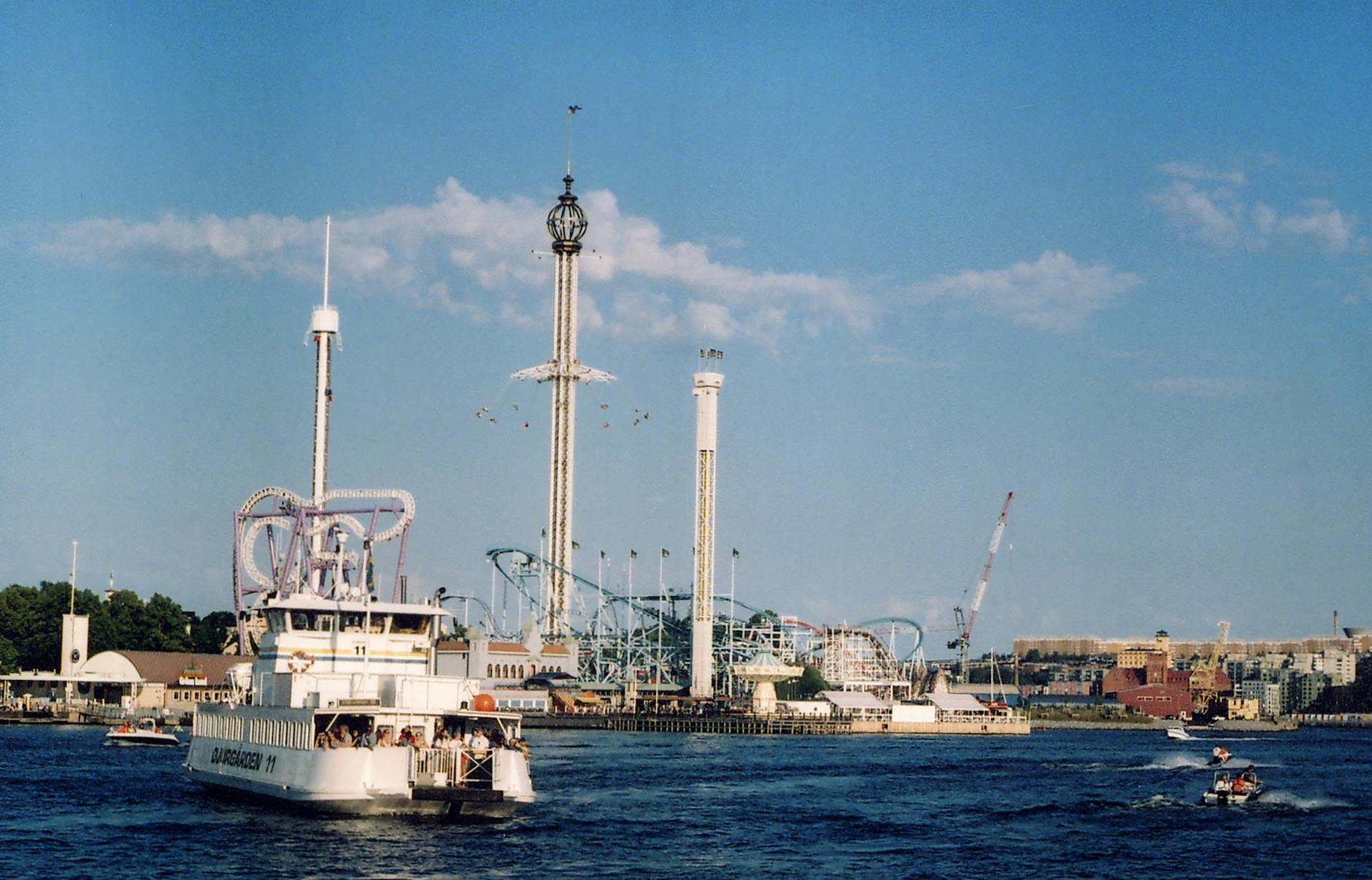
Djurgården at a glance
| Detail | What to know |
|---|---|
| What it is | Royal park island, Stockholm’s museum hub |
| Getting there | Tram 7 (12 min), SL ferry from Slussen (7 min), or walk over Djurgårdsbron |
| Time needed | 1 full day for highlights; 1.5 days to go deep |
| Top three | Vasa Museum, Skansen, ABBA Museum |
| Best season | June–August for full operation; May and September are quieter |
| Busiest hours | 11:00–14:00 in summer (cruise crowds) — go early or late |
| Cost to enter island | Free; museums charge admission |
How to get to Djurgården
Four easy ways over, and the one you pick depends on where you’re staying:
- Tram 7 from Sergels Torg or Norrmalmstorg — about 12 minutes, included in your SL travel pass. This is the simplest option coming from the city centre.
- SL ferry from Slussen — a lovely 7-minute hop across the water, also free with an SL pass. My favourite arrival; you get skyline views before you’ve paid for a thing.
- On foot from Strandvägen over Djurgårdsbron — roughly 15 minutes from Stureplan, past the moored old sailing ships.
- Strömma sightseeing boat if you’d rather treat the crossing as a mini tour — worth it if you’re pairing the day with a harbour cruise.
The main attractions cluster within a walkable 2 km loop on the island’s west side. The eastern half is forest and open parkland — protected Royal National City Park, and far quieter than the museum quarter.
Djurgården museums and attractions
This is why you came. Note that prices below are approximate — hedge for around the figures shown and confirm current admission on each museum’s site before you go, as they nudge up most years. Under-18s or under-19s are often free.
Vasa Museum
Stockholm’s most singular sight, and the one I’d never skip. The Vasa is a 17th-century warship that capsized on its maiden voyage in 1628, sat on the harbour floor for 333 years, and was raised almost fully intact in 1961. Seeing 98% of an original wooden warship towering over you is genuinely unforgettable. Budget 1.5–2 hours. Around 220 SEK for adults, free for under-18s. Go at opening (usually 09:00 in summer) or after 16:00 to beat the tour groups.
Skansen Open-Air Museum
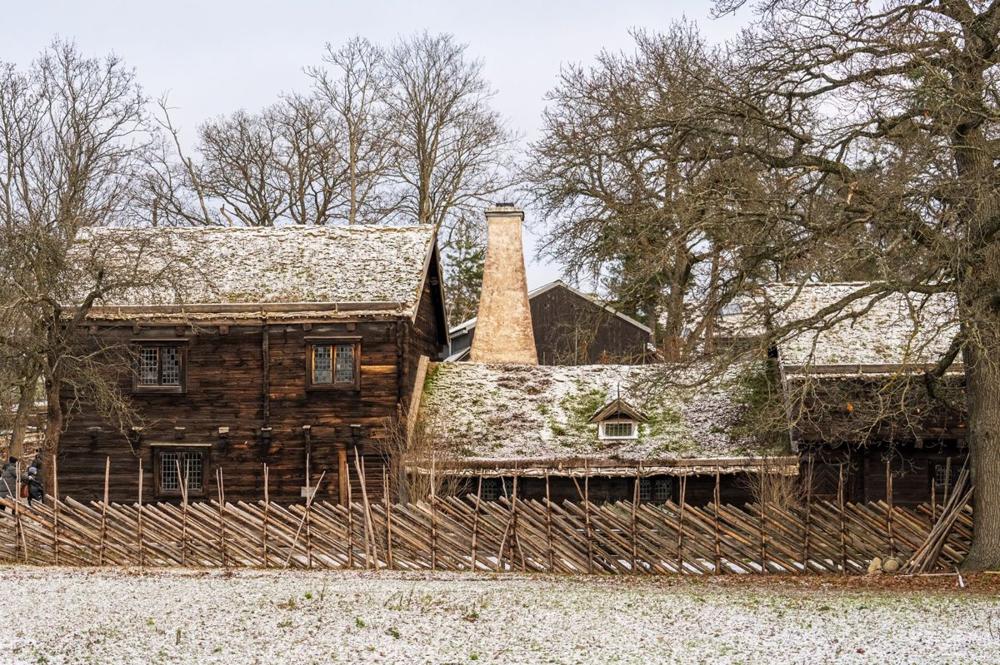
The world’s oldest open-air museum, founded in 1891, and the one visitors most often underrate. Seventy-five acres of historic Swedish farmhouses, workshops and townscapes relocated from across the country, plus a small zoo with bears, wolves, lynx and moose. Costumed staff bake, blow glass and keep old crafts alive. Give it 4+ hours; it’s a half-day in its own right. Around 250 SEK adult, 95 SEK child, with prices sometimes higher in peak summer.
ABBA Museum
Interactive, unashamedly fun, and even kids who’ve never heard the band leave humming Dancing Queen. You can mix your own track, step on stage as a fifth member, and see the original costumes. Around 1.5–2 hours; roughly 295 SEK adult, free under 7. Entry is timed and summer afternoons sell out, so book ahead.
Junibacken
Astrid Lindgren’s story-world, built around a whimsical Story Train ride and a full-size Pippi Longstocking house kids can clamber through. Around 2 hours, best for ages 3–8; roughly 225 SEK for adults and children alike (little ones under 2 free). If you’re travelling with small children this often beats Vasa for them.
Nordiska Museet
Swedish cultural history from the 1500s to now, housed in a cathedral-like building you can’t miss from the bridge. Strong on Sami culture, folk traditions and design. A calm, well-curated indoor option — perfect if the weather turns. Around 2 hours; roughly 180 SEK adult, free under 18.
Aquaria, Spritmuseum and Liljevalchs
Three smaller stops worth knowing about. Aquaria Vattenmuseum is a compact aquarium with rainforest, mangrove and Baltic sections — about an hour, around 195 SEK. Spritmuseum, the Museum of Spirits, tells the story of Sweden’s complicated relationship with alcohol and has a wall of 25+ aromas to sniff; around 180 SEK, adults only really. Liljevalchs Konsthall is a public art gallery strong on Swedish painting, with a much-loved spring salon; around 120 SEK, sometimes free between shows.
Gröna Lund amusement park
Stockholm’s waterfront funfair, with 30-plus rides including seven roller coasters — among them the beloved 1957 wooden Twister. It doubles as a summer concert venue, and a big-name gig night can transform the mood. Open mid-April to late September only. Around 195 SEK for entry alone, or roughly 525 SEK with an all-day ride wristband.
Rosendals Trädgård and the royal park
For a slower afternoon, walk 15 minutes east to Rosendals Trädgård, a biodynamic garden with a wood-fired bakery café set among apple orchards and greenhouses. Wandering the gardens is free; a café lunch runs around 250–400 SEK. Beyond it, the eastern half of Djurgården unfolds into free, quiet forest paths — the antidote to a busy museum morning.
Where to eat on Djurgården
Food on the island skews tourist-priced, so manage expectations — but a few spots are genuinely good:
- Rosendals Trädgård — the standout. Wood-fired sourdough, garden-grown salads and cinnamon buns eaten among the greenhouses. Worth the walk.
- Skansen’s restaurants and cafés — several inside the grounds, from sit-down mains to fika stops; convenient if you’re spending the day there.
- Sjöcaféet at Djurgårdsbron — a solid coffee-and-sandwich stop right by the bridge, and they rent bikes and kayaks too.
- Pop-up summer kiosks — food trucks and ice-cream stands line the paths from June to September.
- Strandvägen, five minutes back over the bridge — for a proper meal, walk into Östermalm. It’s my go-to when I want something beyond café fare.
Where to stay near Djurgården
Djurgården itself has no major hotels — it’s parkland — so you’ll stay nearby and cross over each day. The closest bases sit in Östermalm, right across the bridge:
- Hotel Diplomat — a 5-minute walk from Djurgårdsbron on Strandvägen, with harbour views.
- Strand Hotel — grand waterfront classic, similarly close.
- Bank Hotel — stylish, buzzy, about 10 minutes away.
- Hotel Skeppsholmen — on the small neighbouring island of Skeppsholmen, calm and central.
Families often prefer the quieter, greener feel of this side of town over the medieval bustle of Gamla Stan. If a calm, residential base matters more to you than nightlife, the Kungsholmen Neighborhood Guide and our roundup of the Safest Neighborhoods in Stockholm for Tourists are both useful next reads.
When to visit Djurgården
Peak hours: 11:00–14:00 in summer, when cruise passengers arrive en masse. Time Vasa for 09:00 or 16:00 and you’ll have room to breathe.
Best season: June–August, when everything runs at full tilt, Skansen buzzes and Gröna Lund is open. May and September are cooler but noticeably calmer.
Winter: Junibacken and Aquaria trim their hours, and Gröna Lund closes entirely, but Vasa, Skansen, ABBA, Nordiska and Spritmuseum run year-round. Skansen’s Christmas market on November–December weekends is a highlight — glögg, handicrafts and lantern-lit lanes.
A sample Djurgården day
Here’s how I’d sequence a single full day to hit the big three without rushing:
- 09:00 — SL ferry from Slussen.
- 09:15 — Vasa Museum, before the crowds (1.5 hours).
- 11:00 — Walk to Skansen.
- 11:30 — Skansen, including lunch on the grounds (3+ hours).
- 14:30 — ABBA Museum (1.5 hours).
- 16:00 — Junibacken with kids, or Spritmuseum for adults (1.5 hours).
- 17:30 — Amble the shoreline back toward Djurgårdsbron.
- 18:00 — Tram 7 or the ferry back to the centre.
Common Djurgården mistakes
- Skipping Skansen for Vasa. Skansen is bigger, more varied and just as significant. Plan for both.
- Visiting on a cruise-ship day. A big call brings 5,000+ extra visitors — check the Stockholm cruise schedule if you can.
- Turning up at the ABBA Museum without a ticket. Timed entries sell out on summer afternoons.
- Underestimating the distances. The attractions are spread out; end to end is a good 30-minute walk.
Frequently asked questions
What is Djurgården?
Djurgården is Stockholm’s royal museum island — 700 acres of Royal National City Park land just east of the centre. It holds the city’s highest concentration of museums, including the Vasa Museum, Skansen, the ABBA Museum, Junibacken and Nordiska Museet, plus the Gröna Lund amusement park and miles of quiet shoreline path.
Is Djurgården worth visiting?
Absolutely. It’s Stockholm’s most-visited island and the one place nearly every visitor ends up, because the big-hitter attractions are here. Most people spend a full day, and those on a three-day trip often give it a day and a half. Even a half-day covering Vasa and Skansen is well spent.
How do I get to Djurgården?
Take tram 7 from Sergels Torg (about 12 minutes), the SL ferry from Slussen (about 7 minutes, free with an SL pass), or walk over Djurgårdsbron from Strandvägen (15 minutes from Stureplan). All the museum-quarter sights are within a short walk of the bridge once you arrive.
What are the must-see Djurgården museums?
The Vasa Museum (1.5–2 hours, the intact 17th-century warship), Skansen (4+ hours, the world’s oldest open-air museum), and the ABBA Museum (1.5 hours, interactive and fun). Add Junibacken if you have young children, or Spritmuseum and Nordiska Museet if you’re travelling as adults.
Where should I eat on Djurgården?
Rosendals Trädgård’s biodynamic garden café is the best on the island, with wood-fired bread and orchard seating. Otherwise there are cafés and restaurants inside Skansen, Sjöcaféet by the bridge, and summer food kiosks. For a fuller meal, walk five minutes back over the bridge to Strandvägen in Östermalm.
How long do I need on Djurgården?
One full day covers the highlights — Vasa, Skansen and the ABBA Museum with lunch in between. Give it a day and a half if you also want Junibacken, Nordiska Museet, Aquaria or Spritmuseum. Even rushing, you’ll want most of a day; the attractions are large and spread out.
Is Djurgården family-friendly?
Very — it may be Stockholm’s most family-friendly area. Vasa, Skansen, the ABBA Museum, Junibacken, Aquaria and Gröna Lund all work well for children aged four and up. The main caution is walking distance: younger kids tire crossing the island, so plan breaks and use the tram between clusters.
Is Djurgården free?
The island is free to enter, but the museums charge admission. Most outdoor experiences — the Royal National City Park trails, the shoreline paths and wandering the Rosendals gardens — cost nothing. You can spend a rewarding half-day here on foot without paying a single entry fee.
What’s the best Djurgården walk?
The southern shore loop from Djurgårdsbron heading east toward Rosendal and Manilla, then back. It’s about 4 km and 90 minutes, mostly wooded, with water views and very few people compared with the museum quarter. Add Rosendals Trädgård as a mid-walk coffee stop.
Are Djurgården museums open year-round?
Vasa, Skansen, the ABBA Museum, Nordiska Museet and Spritmuseum operate year-round. Gröna Lund runs only from mid-April to late September, and Junibacken and Aquaria reduce their winter hours. Always confirm current opening times before a visit, especially outside summer.
Final thoughts
Djurgården is the easiest win in Stockholm: cross the bridge, and the city’s greatest hits line up within a single leafy loop. The trick is pacing — go early for Vasa, give Skansen the hours it deserves, and don’t try to cram in every museum. Then, when the crowds peak at midday, slip east into the royal forest, where 700 acres of quiet remind you this was a hunting park long before it was a museum island.
Prices and opening hours change — confirm current admission and times before you go. Photo credits: images via stockholmtourism.org and Pexels.


