Come to Gamla Stan at nine in the morning, before the tour groups, and you’ll understand why it stops people in their tracks. Ochre and blood-red facades catch the low light, the cobbles are empty, and a single café is firing up its espresso machine on Stortorget. Two hours later the same lanes are shoulder to shoulder. Timing, as much as anything, is what separates a magical Old Town visit from a frustrated shuffle behind selfie sticks.
What is Gamla Stan, and is it worth it? This Gamla Stan guide answers both. It’s Stockholm’s medieval Old Town, founded in the 13th century on the small island of Stadsholmen and still laid out on its 1300s street plan — a warren of cobbled alleys, painted 17th-century houses, three medieval churches, and the vast Royal Palace. Yes, it’s the city’s most-visited district and every visitor goes; the trick is doing it well, not just doing it.
That’s what this Gamla Stan guide is for. Rather than a bare list of ten sights, it covers the streets worth walking past the obvious ones, the two restaurants that aren’t tourist-priced, queue tactics for the palace, the churches most people skip, and the light that makes photographs sing. It sits within our wider where to stay in Stockholm guide if you’re weighing which district to base yourself in — and if this is your first trip, our take on the best Stockholm neighbourhood for first-time visitors puts Gamla Stan in context.
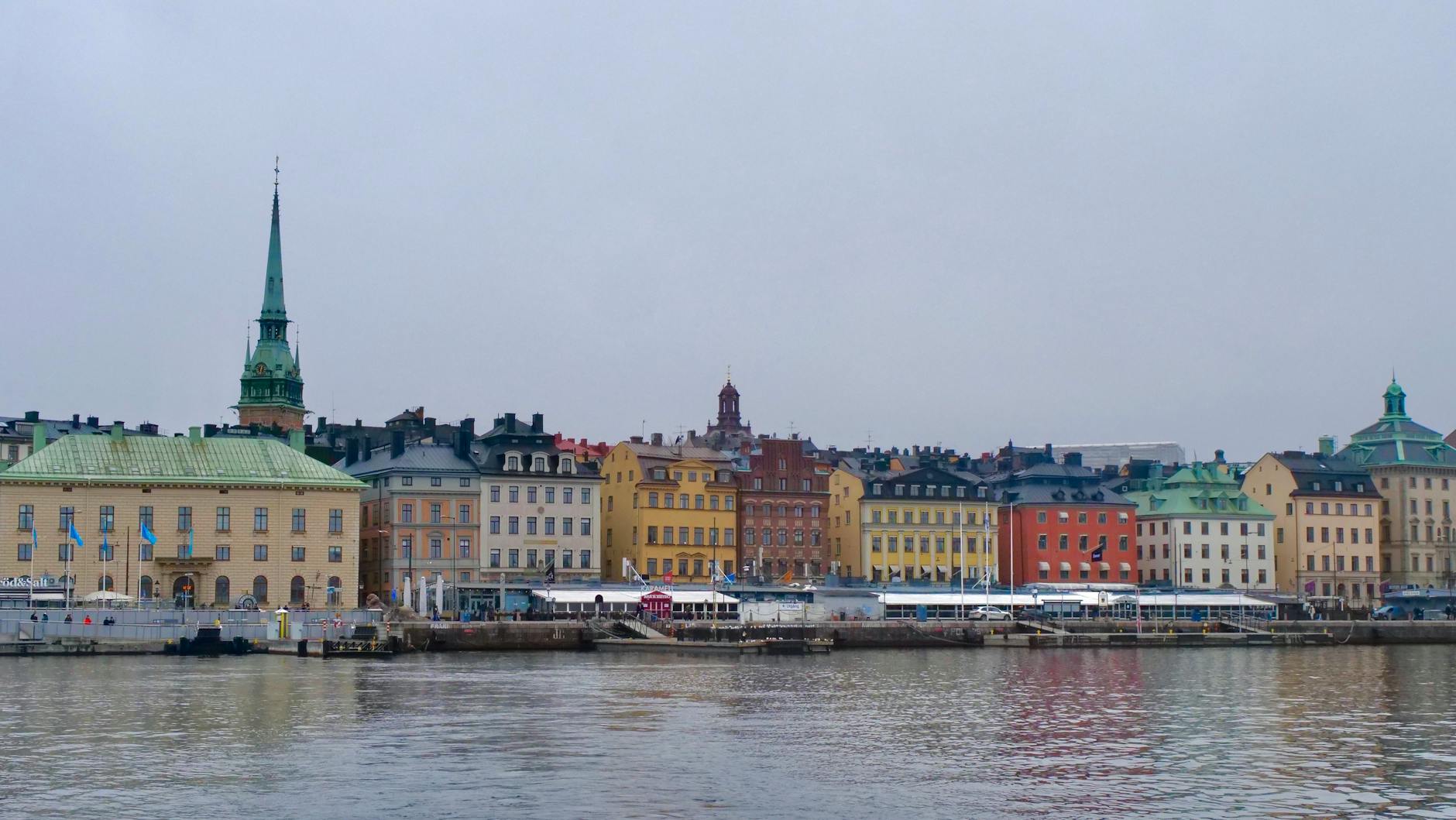
Getting your bearings: this Gamla Stan guide in brief
Gamla Stan occupies the island of Stadsholmen, linked to the rest of central Stockholm by four bridges. It’s small — roughly 1.5 km long and 700m wide, walkable end to end in 20 minutes if you don’t stop, which of course you will. The medieval layout means narrow, irregular streets and the odd dead end, so getting a little lost is part of the deal.
Three main streets run north–south: Västerlånggatan (the western tourist-shop drag), the parallel Stora Nygatan (calmer, more characterful), and Österlånggatan to the east (restaurants and cocktail bars). Cross-lanes like Köpmangatan, Skomakargatan and Trångsund stitch them together.
There are four squares, each with its own mood: Stortorget (the postcard main square), Järntorget at the south, Köpmantorget, and the tiny Brända Tomten. To the west lies the little island of Riddarholmen with its royal church; to the north, Helgeandsholmen holds the Parliament and, across the water, the Royal Palace.
The Gamla Stan must-sees
Stortorget
The medieval main square, ringed by those famous painted 17th-century facades — the ochre-and-red Erlandsson House at number 20 is the one you’ve seen on a thousand postcards. It hosts the beloved Christmas market each December, and the small museum on the square tells the grim story of the 1520 Stockholm Bloodbath. Shoot it from the western side around 09:00 or in the warm 21:00 light of a summer evening.
The Royal Palace (Kungliga Slottet)
Europe’s largest royal palace by room count, with over 600 of them. Entry (around 200 SEK for adults — confirm current pricing) covers the State Apartments, the Treasury with the crown jewels, and the Royal Armoury. Don’t skip the changing of the guard, a free outdoor ceremony at 12:15 daily (13:15 on Sundays and holidays) in the outer courtyard, with mounted guards and music in summer — arrive 15 minutes early in peak season. The palace anchors our full Royal Palace guide if you want the room-by-room detail.
Storkyrkan (Stockholm Cathedral)
The city’s oldest church, dating to the 13th century, and free to enter. Its treasure is Bernt Notke’s 1489 St George and the Dragon, one of the finest late-medieval wooden sculptures in northern Europe. It’s quiet for most of the day, candles always lit — a genuinely peaceful pause between the crowds outside.
Mårten Trotzigs Gränd
Stockholm’s narrowest alley, just 90 cm at its tightest, with 36 stairs climbing between Västerlånggatan and Prästgatan. The photograph everyone wants is looking up the steps to the vanishing point at the top. Come early or late to get it without a queue.
The German Church (Tyska Kyrkan)
A 17th-century church built for Stockholm’s German merchant community — the Hanseatic traders who shaped the medieval city — with a spectacular baroque interior and a vast ebony pulpit. It’s free, frequently overlooked, and one of the loveliest quiet interiors in town. I’d make a point of stepping inside.
Riddarholmen Church
The 13th-century brick church on the islet just west of Gamla Stan has been the burial place of Swedish monarchs for over 700 years. It’s open May to September (around 50 SEK), but the dramatic brickwork exterior is visible year-round from anywhere on peaceful Riddarholmen.
Köpmangatan and the Stock Exchange
Köpmangatan, “Merchant Street,” is Stockholm’s oldest still-named street, recorded back in 1323, and gorgeous at golden hour. On Stortorget, the 1776 Stock Exchange (Börshuset) houses the compact but excellent Nobel Prize Museum (around 150 SEK, free for under-18s) and the Swedish Academy.
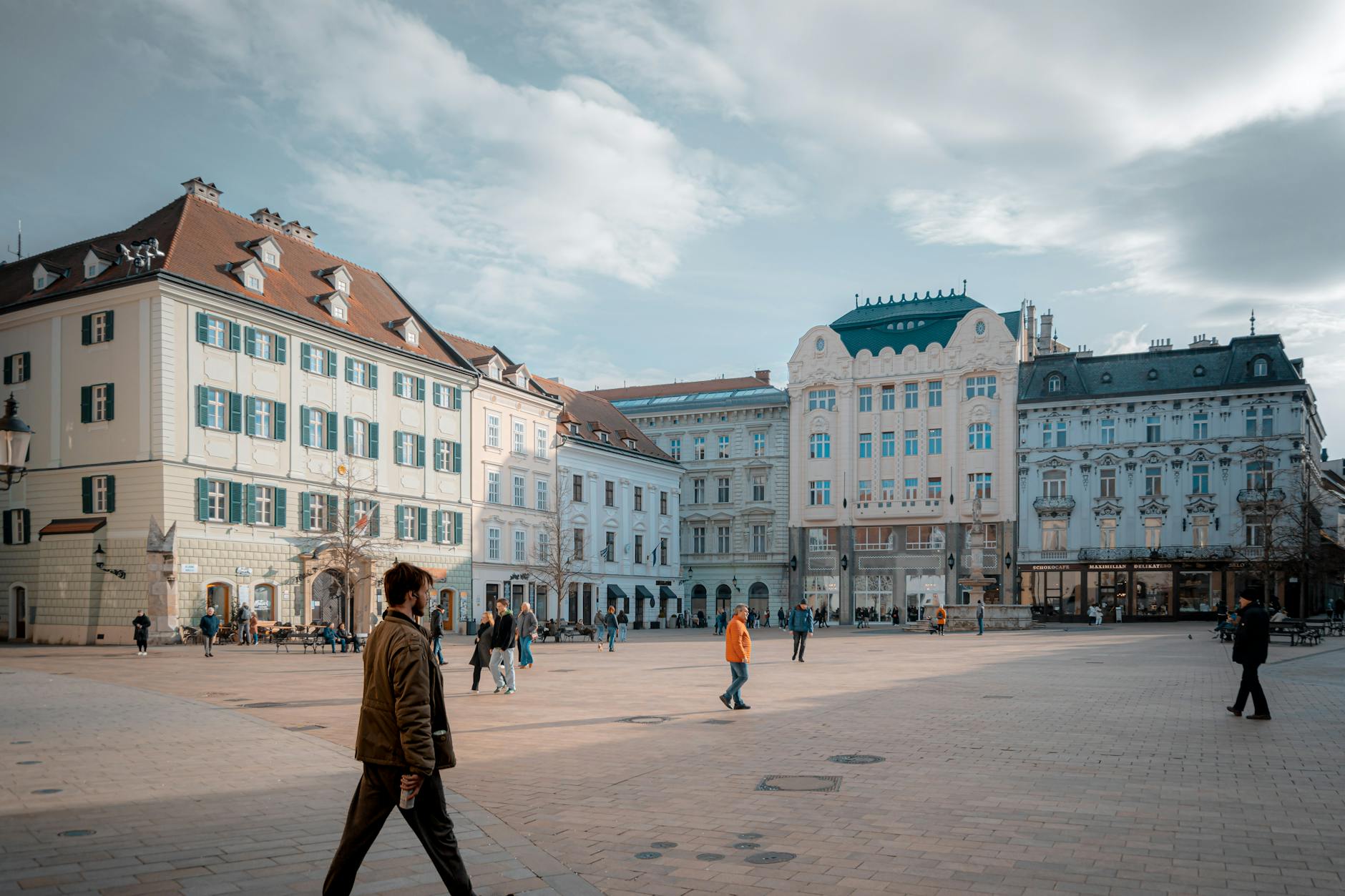
The Gamla Stan most tourists miss
Here’s where the district really opens up, once you step off Västerlånggatan.
Brända Tomten
A tiny triangular square where Köpmangatan meets Själagårdsgatan, named for a 1729 fire. Today it’s a quiet pocket around a single chestnut tree, and a favourite local coffee spot in summer.
The Royal Armoury (Livrustkammaren)
Free, and hidden in the palace basement: Sweden’s oldest museum (1628), full of armour, ceremonial weapons, royal carriages, and Gustav II Adolf’s blood-stained shirt from the Battle of Lützen. Plenty of visitors pay for the State Apartments and walk right past this — I’d argue it’s the more gripping visit of the two.
Prästgatan and the Skeppsbron harbour walk
For medieval atmosphere without the shop noise, walk Prästgatan, which traces the line of the old city wall parallel to Västerlånggatan. And the eastern shore along Skeppsbron is the most underrated photo route in the Old Town — head south from the palace past the tall merchant houses toward Slussen, where the water reflections at golden hour are superb.
The Postal Museum and the cathedral crypt
The free Postmuseum on Lilla Nygatan packs 500 years of postal history and a miniature “postal city” for kids into what’s often the quietest museum in central Stockholm. Below Storkyrkan, the crypt (free with church entry) holds old tombs and the foundations of the original 13th-century building.
Where locals actually eat
Let me be honest: most Gamla Stan restaurants are priced for tour buses. These are the exceptions I’d send a friend to.
- Magnus Ladulås (Österlånggatan 26) — classic Swedish (meatballs, pickled herring, schnitzel) at fair prices for the setting. Book ahead.
- Hermitage (Stora Nygatan 11) — a vegetarian buffet around 175 SEK with endless refills; the single best lunch value in the Old Town.
- Operakällaren Bakfickan — technically just outside Gamla Stan at the Royal Opera, but its meatballs are the city’s reference standard.
- Hairy Pig Deli (Stora Nygatan 14) — excellent late-night charcuterie and wine, small plates around 95–185 SEK.
- Pharmarium (Stortorget 7) — Stockholm’s most theatrical cocktail bar, set in a 1575 apothecary, drinks served in beakers and vials. Reserve.
- Stampen (Stora Nygatan 5) — a 1968 jazz club with live trad jazz, blues and swing six nights a week.
- Sundbergs Konditori (Järntorgsgatan) — Stockholm’s oldest bakery, from 1785, and a perfect atmospheric fika stop.
What to skip: the cluster of look-alike “traditional Swedish” restaurants on the western street, all serving forgettable meatballs at 450 SEK. The dead giveaway is a menu printed in five languages. For a wider view of where to eat well without the tourist markup, our guide to cheap eats in Stockholm is worth a look, and if it’s meatballs you’re after specifically, see the best Swedish meatballs in Stockholm.
Shopping that isn’t tourist tat
Most of Västerlånggatan is Dala horses and plastic Viking helmets — largely imported, heavily marked up. The worthwhile exceptions:
- Iris Hantverk (Västerlånggatan 24) — handmade Swedish brushes and homeware, crafted by visually-impaired artisans since 1870. The two-sided dish brush (around 195 SEK) lasts years.
- Designgalleriet (Stora Nygatan) — independent Swedish ceramics, jewellery and prints.
- Bengans Records (Stora Nygatan) — new vinyl with a strong Swedish indie selection.
- Stockholm Stadsmission (Stora Nygatan 27) — a charity shop with genuinely good vintage finds at low prices.
Steer clear of anything labelled “authentic Viking” without provenance — it’s almost always imported.
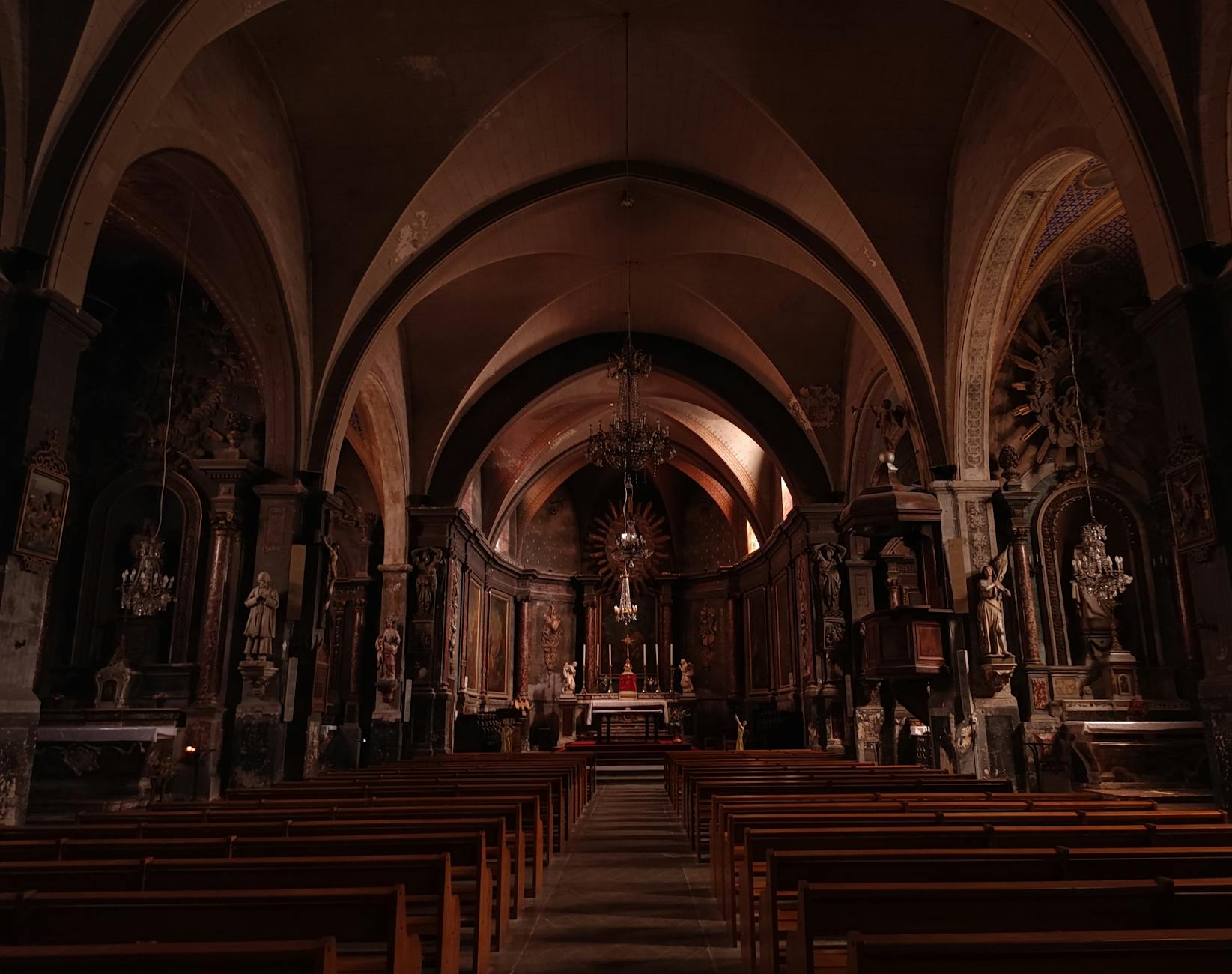
When to visit Gamla Stan
Season and time of day matter enormously here. For weather and long light, aim for late May through August; for atmosphere, December brings the Christmas market to Stortorget. November is the one month I’d avoid — dark and damp, with the festive decorations not yet up.
Within a day, the golden windows are around 09:00 (clean light, no crowds) and, in summer, 21:00; in winter, catch the 17:00–19:00 golden hour. The stretch to dodge is 11:00–14:00 in summer, when the tour groups land. And keep an eye on the cruise schedule — a heavy cruise day dumps 5,000-plus extra visitors onto this small island. Sundays in winter are blissfully quiet, and attending an 11:00 service at Storkyrkan or the German Church is atmospheric even if you’re not religious.
A self-guided walking route (about 2 hours)
- Start at Slussen; walk from Järntorget up to Köpmangatan (5 min).
- Köpmangatan to Stortorget (10 min) — pause for the painted facades and the Stock Exchange.
- Storkyrkan, 20 minutes inside.
- The Royal Palace exterior, timed for the 12:15 changing of the guard.
- South along the Skeppsbron shore (15 min) for harbour views.
- Mårten Trotzigs Gränd, the narrow alley (10 min).
- The German Church, 20 minutes.
- Brända Tomten, a quiet breather (10 min).
- Riddarholmen Church and its islet (30 min).
That’s roughly 2 hours and 4 km; add 90 minutes if you tour the palace State Apartments. Prefer a guide? Free Tour Stockholm runs tip-based two-hour Old Town walks from outside the palace daily at 11:00 (English) and 14:00 (multiple languages).
Gamla Stan with kids
It works well for children aged six and up; younger ones tire on the cobbles. The winners are Mårten Trotzigs Gränd (that dramatic narrow alley), the 12:15 changing of the guard, the free Royal Armoury (armour and weapons are a hit), and the Postal Museum’s miniature postal city. I’d skip the State Apartments with under-10s. Bring a sturdy stroller or a carrier — small wheels and cobblestones don’t mix. Our full Stockholm with kids guide has much more on family-friendly days.
Where to stay in Gamla Stan
Old Town hotels trade convenience for atmosphere, and rooms tend to be small because the historic buildings dictate it. A few to consider:
- Hotel Reisen — a harbourside boutique on Skeppsbron with water views, from around 2,500 SEK a night.
- Hotel Lord Nelson — a tiny nautical-themed boutique on Västerlånggatan, roughly 1,500–2,500 SEK.
- Castanea Old Town Hostel — the budget pick, in a 17th-century building.
For the full picture, our guide to hotels in Gamla Stan breaks down the options, and if the Old Town feels too busy, calmer nearby districts like Kungsholmen are covered in our Kungsholmen neighbourhood guide.
Practical tips
- Shoes: comfortable and supportive. Skip heels, and avoid white sneakers in winter slush.
- Cash: not needed — Stockholm is cashless. Public toilets cost a few kronor; palace, Postal Museum, Storkyrkan and cafés have free ones.
- Reservations: book popular restaurants 1–4 days ahead in summer, same-day in winter.
- Photography: tripods are fine outdoors; indoors, no flash and tripods sometimes restricted.
- Palace queues: walk-in is usually possible, but book online to skip the line at summer peak.
Gamla Stan through the seasons
- Spring (April–May): cool and quieter than summer, with the Walpurgis Night bonfires on Riddarholmen on 30 April.
- Summer (June–August): peak crowds and long daylight (sunset near 22:00), with outdoor cafés in full swing.
- Autumn (September–October): the best value window — golden light, thinning crowds, though September is the rainiest month.
- Winter (November–February): the Christmas market lights up Stortorget in late November and December; January and February are cold, quiet and atmospheric.
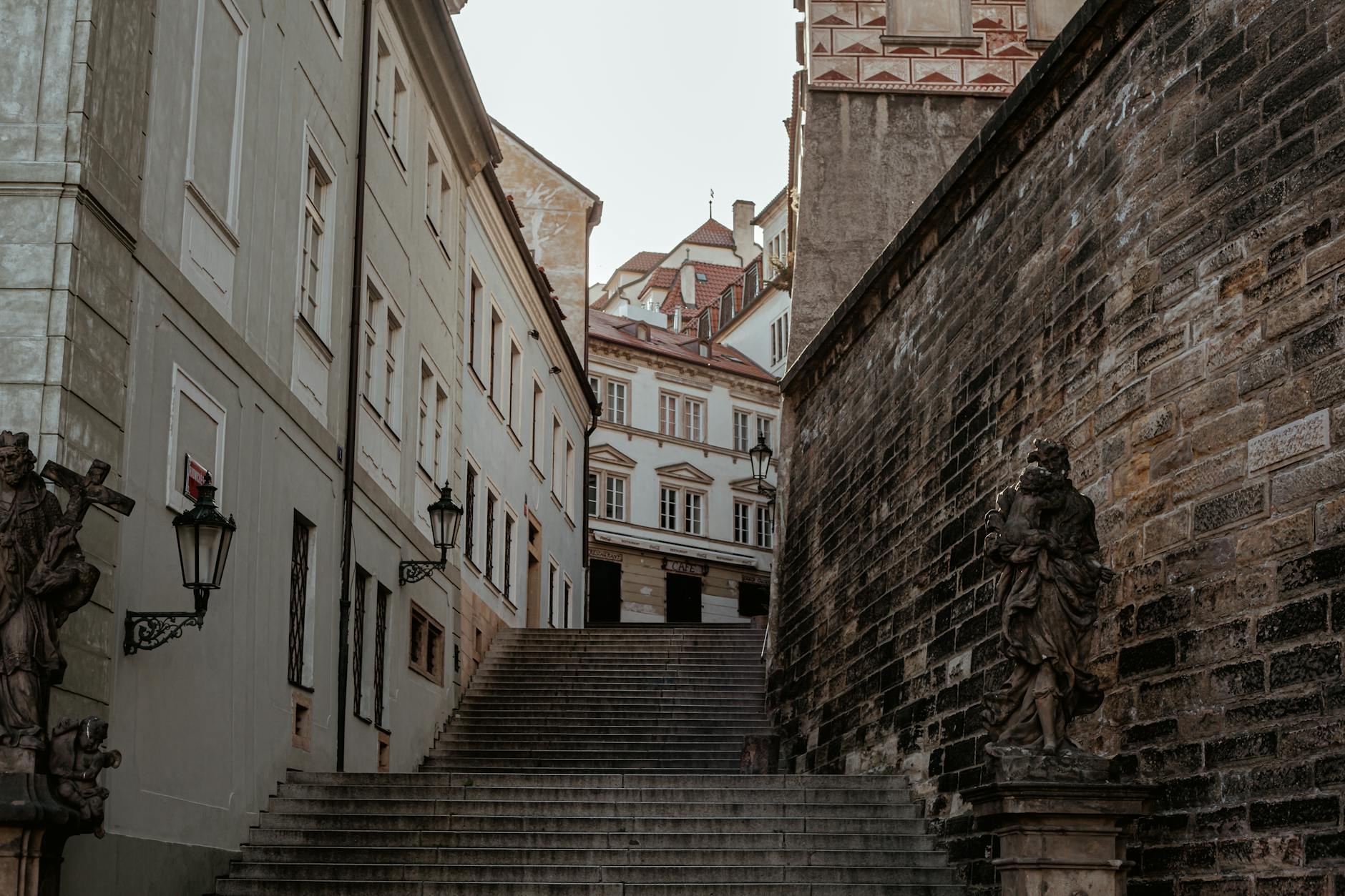
Common mistakes I’d help you avoid
- Eating dinner only in the Old Town. Most spots are tour-priced; walk five minutes to Norrmalm or Söder for better value. Lunch here is fine, dinner is hit-or-miss.
- Skipping the free Royal Armoury because the palace State Apartments cost money. The Armoury is arguably the better visit.
- Spending all your time on Västerlånggatan. Stora Nygatan and Österlånggatan are quieter and more characterful.
- Rushing it in 90 minutes. Two to three hours does the district justice.
- Coming on a cruise day. Check the schedule; the alleys become impassable.
- Buying “Swedish” souvenirs without checking the label. Iris Hantverk sells the real thing.
Pairing Gamla Stan with nearby districts
The Old Town slots neatly into a bigger day. Walk from Slussen over to Södermalm for sunset at Monteliusvägen — the best half-day combination. Hop the ferry from Slussen to Djurgården to pair the Old Town with the Vasa Museum. Cross the northern bridge (5 minutes) into Norrmalm for shopping on Drottninggatan, covered in our Norrmalm and city centre guide, or head east along Skeppsbron and Strömkajen toward Östermalm‘s elegant Strandvägen (about 15 minutes). Riddarholmen is just 5 minutes west across its own bridge.
Is Gamla Stan safe?
Very. It’s one of the most-walked, most-watched parts of the city, busy well into the evening, and Stockholm’s low crime levels apply here as everywhere. The usual advice holds — keep an eye on your bag in the summer crowds, where the density is exactly what pickpockets like. For a fuller rundown, see our guide to the safest neighbourhoods in Stockholm.
Frequently asked questions
What is Gamla Stan?
Gamla Stan is Stockholm’s medieval Old Town, on the small island of Stadsholmen and linked to the rest of the city by four bridges. Founded in the 13th century, it keeps its 1300s street plan almost intact — narrow cobbled alleys, painted 17th-century facades, the Royal Palace, three medieval churches, and a cluster of atmospheric public squares.
How long does it take to see Gamla Stan?
Allow two to three hours for a proper visit of the main sights. A 90-minute loop gives you the highlights only. If you add the Royal Palace State Apartments, the Royal Armoury, Storkyrkan, the German Church and Riddarholmen Church, you can happily fill six hours or more without repeating yourself.
Is Gamla Stan worth visiting?
Yes. It’s Stockholm’s most-visited district for good reason — the intact medieval street plan, the Royal Palace and the painted facades on Stortorget make it the city’s most photogenic quarter. The only travellers who might shrug are those who’ve already seen several medieval European old towns; even then, an early-morning walk is a delight.
What are the best things to do in Gamla Stan?
Stortorget and its painted facades, the Royal Palace (Europe’s largest by room count) and its 12:15 changing of the guard, Storkyrkan with its 1489 St George and the Dragon, the 90 cm-wide Mårten Trotzigs Gränd, the free German Church, and Riddarholmen Church. Leave time to wander the quieter lanes off Västerlånggatan.
Where should I eat in Gamla Stan?
Magnus Ladulås for classic Swedish cooking, Hermitage for a great-value vegetarian buffet, Operakällaren Bakfickan (just outside the district) for reference-standard meatballs, and Sundbergs Konditori — Stockholm’s oldest bakery, from 1785 — for fika. Avoid the near-identical tourist restaurants on Västerlånggatan with menus in five languages.
Is Gamla Stan good for kids?
Yes for children six and older. The narrow alleys, the changing of the guard, the free Royal Armoury and the Postal Museum’s miniature postal city all land well. Cobblestones are hard on strollers and tiring for under-5s, so bring a sturdy pushchair or a carrier and keep the day flexible.
Are there free things to do in Gamla Stan?
Plenty. Storkyrkan, the German Church, the Royal Armoury and the Postal Museum are all free, as is the palace exterior and its 12:15 changing of the guard. Add the tip-based Free Tour Stockholm walking tour and the peaceful walks around Riddarholmen, and you can spend a rich half-day here without paying admission.
What’s the best time to visit Gamla Stan?
Aim for 09:00 morning light or the warm 21:00 glow of a summer evening for the best photos and fewest crowds. Late May through August gives long daylight, while December brings the Christmas market to Stortorget. Avoid 11:00–14:00 in summer and any heavy cruise-ship day, when the alleys get packed.
Final thoughts
Gamla Stan is unavoidable, and it should be — but how you time it decides whether you love it or merely tolerate it. Go early, wander the quiet parallel streets, duck into a free church or two, eat where the locals do rather than where the five-language menus beckon, and give it a couple of unhurried hours. Do that, and 700 years of Stockholm will feel like yours for the morning.
Prices and opening hours change — confirm current admission and times before you go. Photo credits: images via stockholmtourism.org.


