
Ask a Stockholmer where it’s safe to stay and they’ll look faintly puzzled — because almost everywhere a visitor goes is fine, day or night. The honest question isn’t “is it safe?” but “which areas feel calmest, are best lit, and put you nearest the metro?” Short version: for the safest neighborhoods Stockholm offers a tourist, book Östermalm, Vasastan, Norrmalm or Kungsholmen. All four sit on well-lit central streets, minutes from a metro station, with very low violent crime and only the usual big-city pickpocket risk in a handful of crowded spots.
This guide is for anyone deciding where to base themselves — solo travellers, families, first-timers who’ve read the 2022–2024 gang headlines and want a straight answer. I’ll rank the areas I’d actually recommend, flag the two or three places to keep your wits about you, and give you the practical petty-theft habits that matter. If you’re still choosing a district to book, read it alongside our Where to Stay in Stockholm guide, which weighs each area on price and location as well as safety.
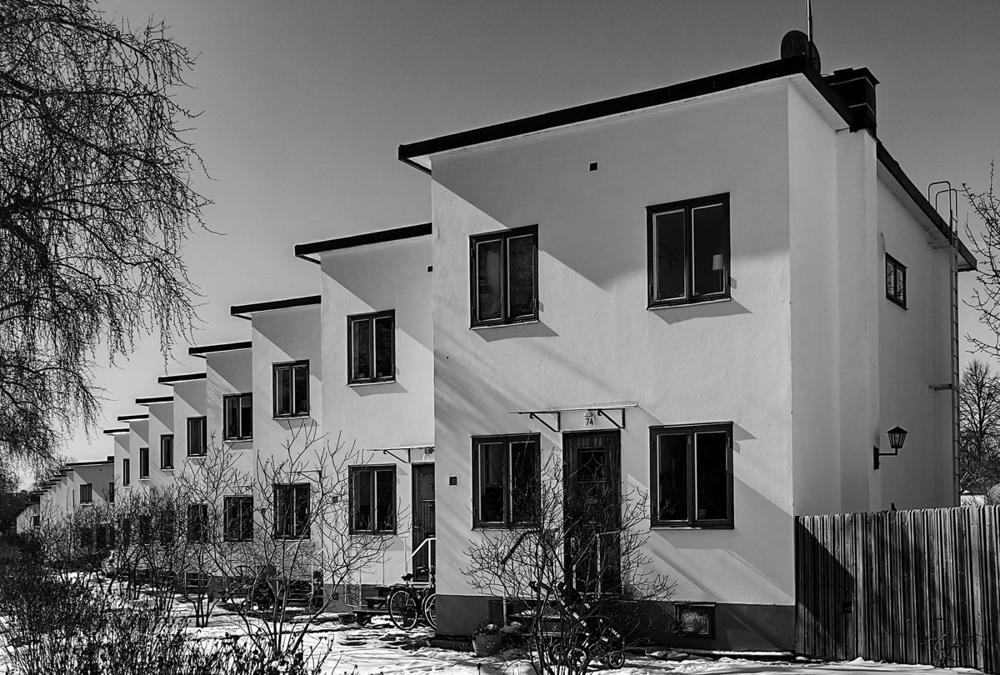
Safest neighborhoods Stockholm: the shortlist at a glance
If you just want the shortlist, here it is. Every area below is a genuinely safe place to sleep; the differences are about atmosphere, price and how central you want to be.
| Neighbourhood | Best for | Metro lines | Vibe & safety note |
|---|---|---|---|
| Östermalm | Solo travellers, couples, quiet nights | Red (Östermalmstorg, Stadion) | Upscale, calm, extremely well lit — my top pick for feeling at ease late |
| Vasastan | Solo female travellers, longer stays | Green + red (Odenplan, Rådmansgatan) | Leafy residential; quiet after dark but never deserted |
| Kungsholmen | Families, a local base, better rates | Green + blue (Fridhemsplan), blue (Rådhuset) | Residential island, waterfront paths, very low crime |
| Norrmalm / City Center | First trips, transport convenience | All lines meet at T-Centralen | Safe, but T-Centralen & Sergels torg need pickpocket awareness |
| Södermalm (Söder) | Nightlife, cafés, a livelier base | Red (Slussen, Medborgarplatsen, Mariatorget) | Local, welcoming, safe — busier and later than Östermalm |
| Gamla Stan | Atmosphere, short stays | Red + green (Gamla Stan) | Safe with visible police; pickpockets work the busiest squares |
| Djurgården | Families, green space, daytime calm | Tram 7 / ferry (no metro) | Museum island — effectively zero crime, very quiet at night |
Prices, opening hours and metro service patterns shift with the season, so treat everything below as a guide and confirm the current details before you build a plan around them.
Östermalm — the calmest place to stay
If your main worry is walking back to your hotel late and wanting to feel completely relaxed, this is where I’d point you. Östermalm is Stockholm’s grand, old-money district — wide boulevards like Karlavägen and Strandvägen, embassy townhouses, and the beautiful Östermalms Saluhall food hall. It’s residential rather than nightlife-heavy, so the streets are quiet after midnight but rarely empty, and the lighting is excellent.
The red line runs through Östermalmstorg and Stadion, and you’re a flat ten-minute walk from the central station. Pickpocketing is genuinely rare here because there are no big tourist crush-points. If you want the full picture on hotels, restaurants and what to do, our Östermalm guide covers it in detail.
Vasastan — quiet, leafy, great for solo travellers
Just north-west of the centre, Vasastan is the district I most often recommend to solo travellers, and to women who’ve asked me where feels comfortable walking home alone. It’s residential and a little bookish — the domed Stockholm Public Library sits at its heart, cafés line Rörstrandsgatan (locals call it “Little Paris”), and Odenplan is a busy, well-used transport hub on the green and red lines.
The trade-off for the calm is that it’s a touch further from the postcard sights, though “further” here means fifteen minutes on the metro. Streets like Upplandsgatan and the area around Vasaparken stay pleasant and lit into the evening.
Kungsholmen — the family-friendly island base
Kungsholmen, the large residential island just west of the centre, is where I’d send a family or anyone after a quieter, better-value stay. It’s home to Stockholm City Hall, but past the City Hall car park it’s all leafy streets, a lovely waterside promenade along Norr Mälarstrand, playgrounds, and the free Smedsuddsbadet swimming beach in Rålambshovsparken.
Fridhemsplan (green and blue lines) is the practical hub, and you can walk to Norrmalm across the water in about five minutes. Crime is very low; the only spot to stay alert is the busy Fridhemsplan transport interchange, as at any big hub. Our Kungsholmen Neighborhood Guide has the full rundown if you’re weighing it up.
Norrmalm and the City Center — safe, with two caveats
Norrmalm is the commercial core — Drottninggatan’s shopping street, the central station, and the hotels most first-timers book because everything is on the doorstep. It’s safe, and staying here is the most convenient option in the city. But it’s also where Stockholm’s small pickpocket problem concentrates, so this is where the practical advice actually matters.
Two specific spots: T-Centralen, the main metro interchange, is the busiest pickpocket zone in Stockholm, especially at rush hour and around the Drottninggatan H&M flagship. And Sergels torg, the sunken plaza by the station, can attract some late-night drug-related loitering after around 02:00. Neither is dangerous to walk through — you just don’t want to stand there fumbling with an open bag at 2am. For hotels and orientation, see our Norrmalm & City Center Stockholm Guide. If this is your first visit and you want help choosing, our take on the Best Stockholm Neighborhood for First-Time Visitors weighs convenience against calm.
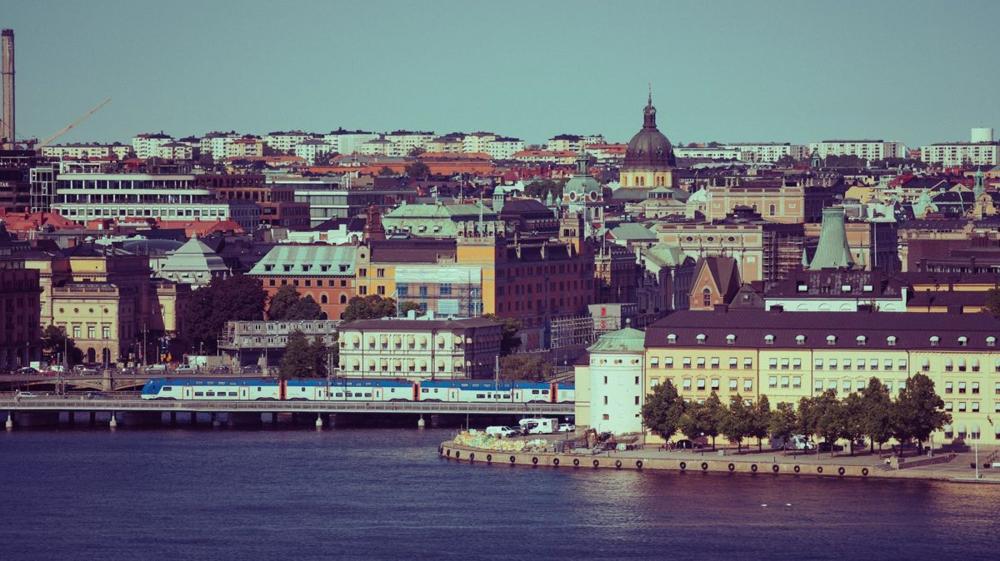
Södermalm, Gamla Stan and Djurgården — the other safe bets
Södermalm (Söder) is the big island to the south, and my pick if you want somewhere livelier while still safe. It’s the creative, café-and-vintage-shop heart of the city — SoFo’s boutiques, the Monteliusvägen viewpoint, bars around Medborgarplatsen and Nytorget. It’s more local than touristy, well used late into the night, and comfortable for solo travellers. It simply runs later and busier than Östermalm.
Gamla Stan, the medieval Old Town, is safe day and night — the tourist volume means visible police and well-lit lanes. The one thing to watch is pickpocketing in the busiest squares, Stortorget in particular, where crowds bunch up. Slip onto a quieter side street like Prästgatan and the crush disappears. Our Gamla Stan guide has the walking routes.
Djurgården is the green museum island — Vasa, Skansen, ABBA The Museum — and it’s about as low-crime as a place gets. It’s a daytime destination, so it’s very quiet after the museums close, with tram 7 and the ferry rather than a metro. Lovely and safe for families; just plan your evening transport. The Djurgården guide covers getting there and back.
The Stockholm areas that aren’t on your itinerary anyway
Let’s deal with the headlines honestly. The 2022–2024 news about gang shootings in Sweden was real, but it was concentrated in a handful of outer suburbs — Rinkeby, Tensta, Husby, and parts of Botkyrka and Södertälje — and the violence was overwhelmingly between gang members, with civilian bystanders rarely involved. By 2025–2026 the numbers had fallen after a wave of police reforms.
Here’s the practical point: these are residential communities well outside the centre, and there is no tourist reason to go to any of them. They’re not near the sights, the hotels, or anything you’d have on a plan. Central Stockholm — every neighbourhood in this guide — is entirely unaffected. You’d have to go looking for these suburbs to reach them.
How safe is Stockholm, really? The numbers
For context rather than alarm: Stockholm’s homicide rate has averaged roughly 1.0–1.4 per 100,000 residents over the past decade — broadly comparable to Berlin, lower than Paris, and far below most large US cities. Pickpocketing sits in the low-to-moderate band, noticeably less prevalent than in Barcelona, Rome or Paris.
On perceived safety, Stockholm scores well on the crowd-sourced Numbeo indices, and solo female travellers routinely rank it among Europe’s more comfortable capitals for walking at night. None of that means you switch your street sense off — it means the baseline is reassuring.
Petty-theft habits worth having
Violent crime is unlikely to touch you; an opportunistic pickpocket in a crowd is the realistic risk. A few simple habits cover almost all of it:
- Wear a cross-body bag in front in the crush spots — T-Centralen, the Gamla Stan squares, the Drottninggatan H&M flagship. Keep it zipped.
- Cards and phone in a front pocket, never a back pocket, in crowded tourist zones.
- Don’t leave your phone on an outdoor café table. Snatch-and-ride thefts by people on electric scooters are the fastest-growing petty crime — keep it in your hand or pocket.
- Decline the “petition” clipboard. Someone asks you to sign a petition; while you’re looking down, a partner works your bag. Just say no and keep walking.
- Book only regulated taxis — Taxi Stockholm, Taxi 020, Sverige Taxi, Bolt or Uber — and agree the price before you get in, as Swedish taxi fares aren’t fixed.
- Use ATMs inside bank branches rather than free-standing machines to lower any skimming risk. Sweden is nearly cashless anyway, so you’ll rarely need one.
Late-night notes and who each area suits
Central Stockholm is safe around the clock, and the metro even runs all night on weekends. The only late-night flags are the two you’ve already met: Sergels torg after roughly 02:00 (walk through, don’t linger) and T-Centralen at peak times for pickpockets. Otherwise the metro is well-trafficked and the bars and clubs are relaxed.
By traveller type, briefly: solo female travellers tend to feel most at ease in Östermalm and Vasastan, with Söder a close, livelier third. Families do beautifully on Kungsholmen or near Djurgården, with green space and calm streets — Swedish children famously start walking to school alone around age eight, which tells you something about the everyday safety level. LGBTQ+ travellers will find Stockholm one of Europe’s most welcoming cities, with Söder especially at ease. First-time visitors who prize convenience over quiet usually land in Norrmalm; just pack the pickpocket habits above.
Emergency numbers to save
Worth a note in your phone before you go. In an emergency dial 112 for police, fire or ambulance — operators speak fluent English. For non-urgent police matters it’s 11414, and for medical advice there’s a 24/7 nurse line in English on 1177. A handy round-the-clock pharmacy is C.W. Scheele at Klarabergsgatan 64, and a lost passport is a matter for your own country’s embassy.
Frequently asked questions
What are the safest neighborhoods in Stockholm for tourists?
Östermalm, Vasastan, Kungsholmen and Norrmalm top the list, with Södermalm, Gamla Stan and Djurgården close behind. All sit on well-lit central streets, minutes from a metro station, with very low violent crime. The only real risk is petty pickpocketing in a few crowded spots such as T-Centralen and the busiest Old Town squares.
Is Stockholm safe for tourists?
Yes — it’s one of Europe’s safer capitals. Violent crime is rare in the areas visitors use, and the homicide rate is comparable to Berlin and lower than Paris. The realistic risk is opportunistic pickpocketing in tourist hotspots like T-Centralen and the Drottninggatan H&M flagship, which sensible bag habits largely prevent. Emergency number: 112.
Which Stockholm neighborhoods should I avoid?
A handful of outer suburbs — Rinkeby, Tensta, Husby, and parts of Botkyrka and Södertälje — have seen elevated gang-related violence, but it’s overwhelmingly between gang members, not aimed at outsiders. Crucially, none is on any tourist itinerary or near the sights. Every central neighbourhood in this guide is unaffected, so you needn’t plan around them.
Where should solo female travellers stay in Stockholm?
Östermalm and Vasastan are the top picks — quiet, residential, extremely well lit, and comfortable for walking home late, yet never deserted. Södermalm is a livelier third if you’d rather be near the nightlife. Stockholm consistently ranks among Europe’s easier capitals for women travelling alone, with a well-used metro at all hours.
Is Norrmalm safe at night?
Yes, overall. Norrmalm is the safe, convenient city core, but two spots warrant awareness: Sergels torg can attract late-night loitering after about 02:00 — walk through rather than linger — and T-Centralen is the city’s busiest pickpocket zone at peak times. Neither is dangerous to pass through; just keep your bag zipped and your phone pocketed.
Is Södermalm safe?
Yes. Söder is one of Stockholm’s more relaxed, welcoming districts — creative, local and well used late into the evening, which keeps its streets lively rather than empty. Pickpocket rates are lower than in central Norrmalm, and solo travellers generally find it comfortable after dark. It simply runs busier and later than the calmer Östermalm.
Is the Stockholm metro safe?
Yes — the metro is safe at all hours, and even runs through the night on weekends. Violent incidents are rare. The one thing to watch is pickpocketing at T-Centralen during rush hour and busy periods, so keep valuables in a front pocket or a zipped cross-body bag when the platforms are crowded.
Is Gamla Stan safe at night?
Yes. The Old Town’s heavy tourist footfall means visible police and well-lit lanes, so it’s comfortable to wander after dark. The only real risk is pickpocketing in the busiest squares, Stortorget above all, where crowds bunch together. If you’d rather avoid the crush, duck onto a quieter side street such as Prästgatan.
Is Stockholm safe for families?
Very. Kungsholmen and the area near Djurgården are ideal — calm residential streets, waterfront parks and green space, with excellent transport. Everyday safety is high; Swedish children commonly walk to school alone from around age eight. Tap water is excellent and paediatric care is world-class. Standard petty-theft caution in crowded central spots is all that’s needed.
What number do I call for emergencies in Stockholm?
Dial 112 for any emergency — police, fire or ambulance — and operators will speak fluent English. For non-urgent police matters, call 11414. For medical advice there’s a 24/7 nurse line in English on 1177. It’s worth saving all three in your phone before you travel, alongside your embassy’s number.
Final thoughts
Stockholm makes this easy: pick almost any central district and you’ve chosen well. I’d stay in Östermalm or Vasastan for the calmest nights, Kungsholmen for a family or a quieter base, and Söder if I wanted more life on the doorstep. Keep your bag zipped in the couple of crowded spots, save 112 in your phone, and you can otherwise relax into one of Europe’s safer cities.
Related Stockholm guides
- Where to Stay in Stockholm (main guide)
- Best Stockholm Neighborhood for First-Time Visitors
- Djurgården
- Gamla Stan
- Kungsholmen Neighborhood Guide
- Norrmalm & City Center Stockholm Guide
- Östermalm
Photo credits: residential street — HeRoe on Pexels; Södermalm cityscape — Ranger Zang on Pexels.


