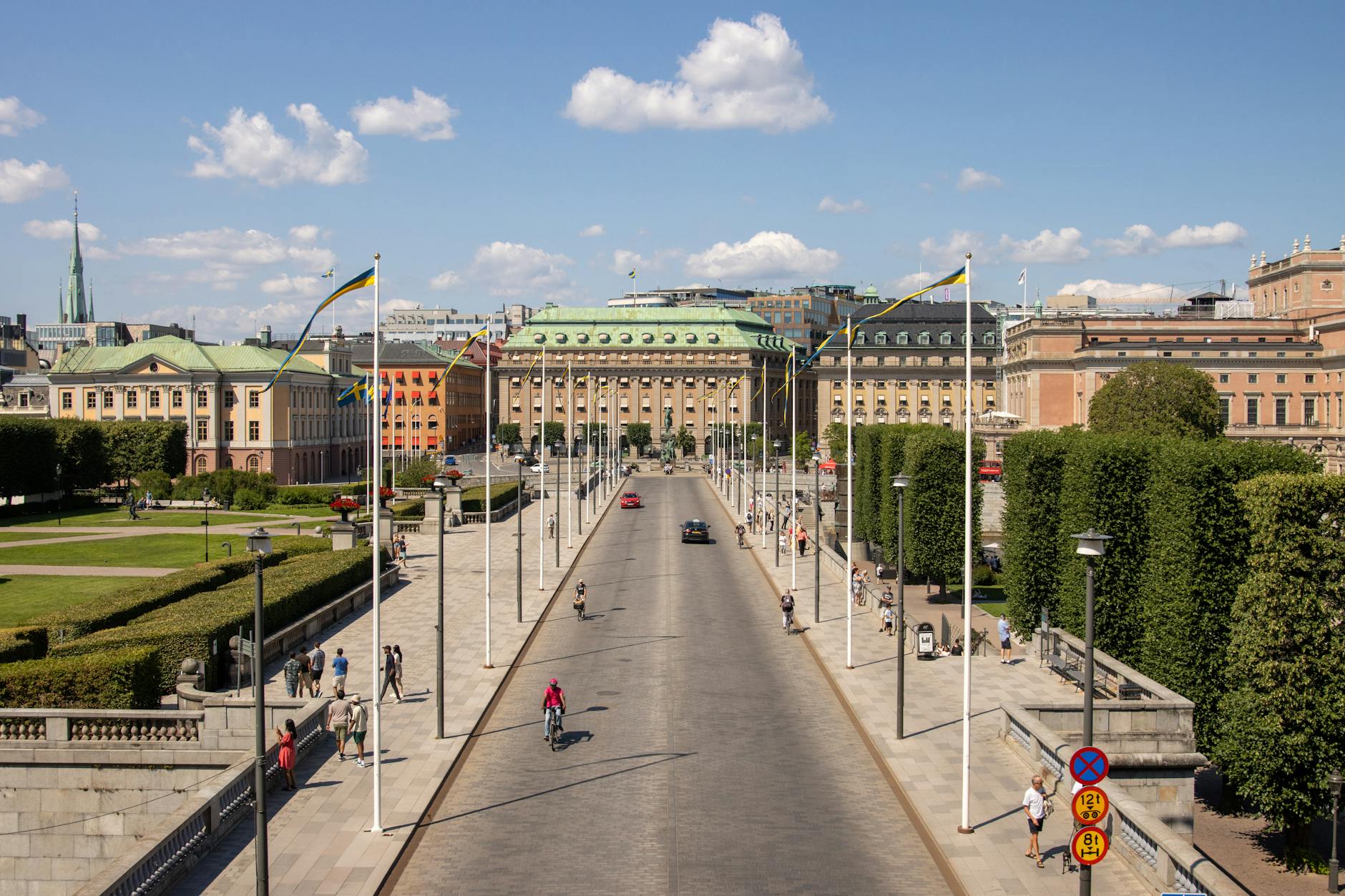
You’ve booked a flight to Stockholm and now you’re staring at the calendar, trying to work out whether a long weekend cuts it or you need a full week off work. I’ve made this trip in every length from a single cruise-stop afternoon to a two-week slow stay, and the honest answer keeps landing in the same place. Before you lock in dates, it’s worth skimming The Complete Stockholm Travel Guide for the wider picture, but this page is the one that solves the calendar problem.
So, how many days in Stockholm do you actually need? Three days is the sweet spot. Two days is the tight-but-doable minimum for a cruise stop or a quick weekend. Three days covers Gamla Stan, the Vasa Museum, City Hall and one half-day excursion at a human pace. Give it four to five days and the archipelago opens up. Seven is the slow, local-pace trip most people wish they’d booked.
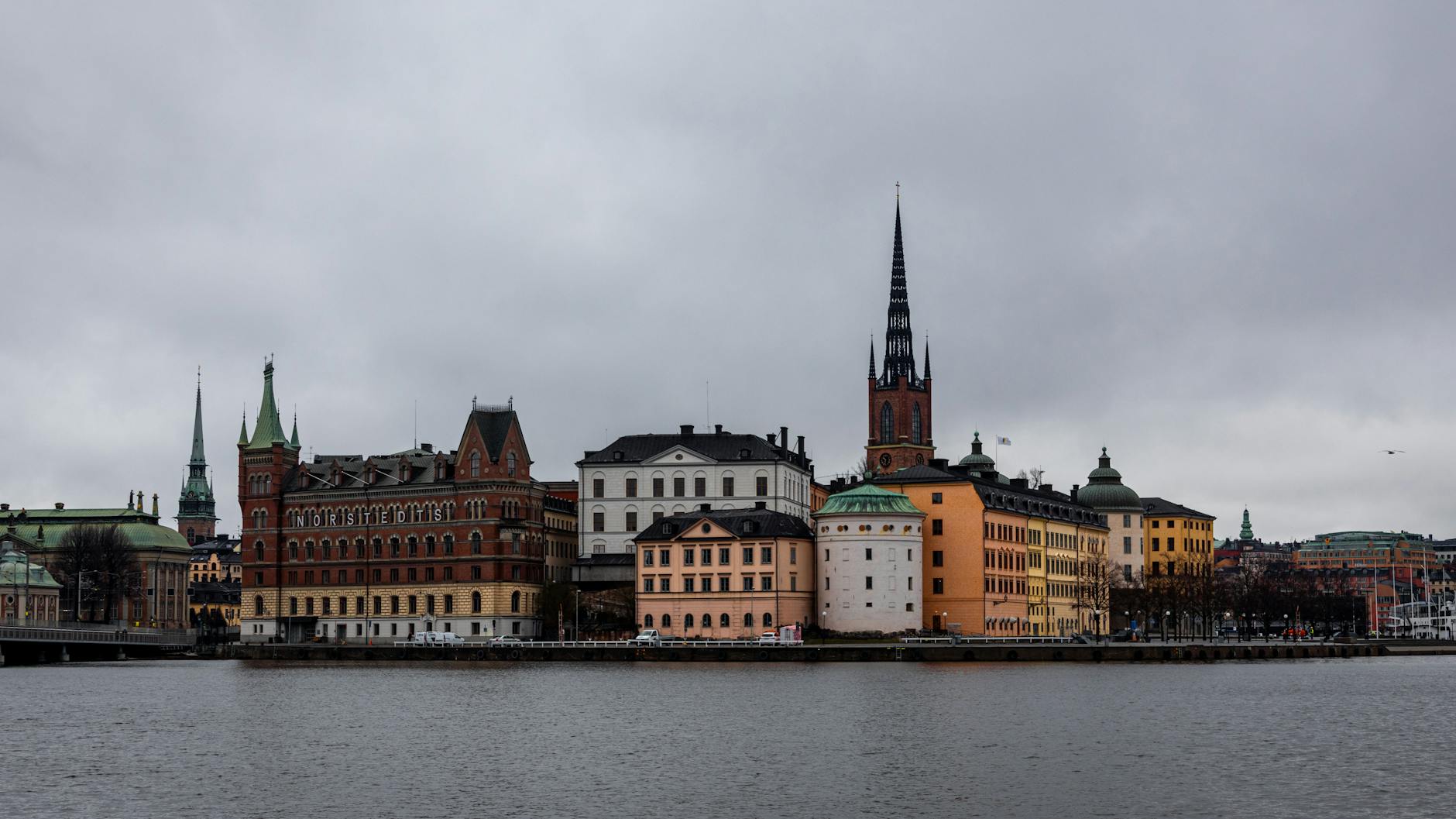
This guide breaks it all down by traveller type, season, and the specific things you want to see. I’ll lay out exactly what fits in 1, 2, 3, 5 and 7 days, when an extra day earns its keep, when it doesn’t, and the small operational quirks (Sunday closures, Systembolaget hours, short winter daylight) that quietly change the math. If this is your first trip, the companion read on your First Time in Stockholm covers the arrival-day basics so you don’t lose half of Day 1 to logistics.
How many days in Stockholm, by traveller type
First-time visitor: 3 days. Day 1 covers Gamla Stan and the Djurgården museums (Vasa, Skansen). Day 2 is City Hall, a Södermalm walk and evening drinks. Day 3 is Drottningholm or a Fjäderholmarna archipelago half-day. Most people leave wanting one more day, and that’s fine — it means you’ll come back.
Couple’s weekend: 3 to 4 days. Add a proper dinner at Ekstedt or Aira, one slow Söder afternoon, and a sunset out on the water (I’d skip the paid “cruise” and take the free SL ferry to Djurgården instead).
Family with kids 4 to 12: 4 days. The first three as above, plus a full day at Gröna Lund in summer or Tom Tits Experiment on a wet day. With little ones under 4, three days is plenty — they tire faster and you’ll lean on Skansen and the parks more than the museums.
Cruise stop or layover: 1 day. Pick Gamla Stan plus the Vasa Museum, and let the rest go. My 1-day plan is below.
Solo traveller: 4 to 5 days. Stockholm rewards a slightly longer solo stay — unhurried lunches, neighbourhood wanders through Vasastan and Hornstull, an hour with a book at Drop Coffee. It’s an easy, safe city to roam alone; if that’s a worry, the Is Stockholm Safe for Tourists? A Local’s Honest Guide is worth a read.
Archipelago-focused: 5 to 7 days. Two days in the centre, then two or three nights on Sandhamn, Grinda, Utö or Möja, then a final city day to digest.
Slow traveller or digital nomad: 10+ days. Stockholm is genuinely good for this. An apartment with a kitchen, an SL travel pass and a coworking spot (United Spaces, Convendum) lets you live local for weeks.
Returning visitor: 4 to 5 days, with the focus pulled away from the tourist core — more Söder and Vasastan, a day trip to Sigtuna or Uppsala, and an archipelago overnight.
What fits in 1 day in Stockholm
You’ll see the essentials and nothing more. Here’s the realistic 1-day plan:
Morning (09:00–12:30): Gamla Stan, Stockholm’s medieval Old Town. Walk Stortorget, the tight lanes around Mårten Trotzigs Gränd, the Royal Palace exterior, and catch the changing of the guard around 12:15. Grab a coffee at Sundbergs Konditori — the city’s oldest café, going since 1785.
Afternoon (13:00–17:00): the Vasa Museum plus a Djurgården walk. The Vasa is about a 90-minute visit; entry runs around 195 SEK (confirm the current price and hours before you go). Wander back past Skansen’s outdoor viewpoints, which you can enjoy without paying to enter, then ferry from Djurgården back to Slussen.
Evening (18:00+): sunset on Söder at the Monteliusvägen viewpoint, dinner in SoFo (Bar Brutal, Pelikan or Hermitage), then a cocktail at Tjoget.
What you’ll miss: City Hall, Drottningholm, the archipelago, the ABBA Museum, Skansen’s interior, most museums, any real neighbourhood time. A single day gives you a postcard, not a portrait.
What fits in 2 days in Stockholm
Two days covers the headline sights, but it’ll feel brisk. The realistic 2-day plan:
Day 1: Gamla Stan walk and the Royal Palace (a full tour, or just the exterior and the changing of the guard) → lunch at Hermitage or Magnus Ladulås → Vasa Museum → Skansen for three-plus hours into the late afternoon → dinner near your hotel. Skansen alone eats half a day; if you’d rather skip it, swap in the ABBA Museum or Junibacken.
Day 2: City Hall guided tour (book a morning slot; the tower is open May to September) → lunch on Kungsholmen at Mälarpaviljongen or Lux Dag för Dag → Södermalm via Mariatorget, Hornstull and Tantolunden → sunset at Monteliusvägen → dinner in SoFo with a cocktail at Tjoget or Pharmarium.
Two days works for cruise stops or a bolt-on to a business trip, but you’ll skip the archipelago and Drottningholm. Aim for a weekend if you can — several smaller museums close on Mondays.
Is 3 days enough in Stockholm? Yes, and here’s why
Three days is the length I’ve tested most, and the one I recommend for a first visit. It’s enough to:
1. See Gamla Stan and the Royal Palace without watching the clock.
2. Do the two essential museums (Vasa and Skansen) on one Djurgården day.
3. Tour City Hall and walk Södermalm.
4. Take one half-day excursion — Drottningholm Palace by Strömma steamboat, or Fjäderholmarna for a first taste of the archipelago.
5. Fit in one good dinner, one proper cocktail evening, and one harbour sunset.
Day 1 — Gamla Stan and Djurgården: morning in the Old Town (Stortorget, the Royal Palace, the 12:15 guard change). Afternoon tram or ferry to Djurgården for the Vasa Museum (1.5 to 2 hours) and Skansen open-air museum (3+ hours). Dinner near your hotel.
Day 2 — City Hall and Södermalm: City Hall guided tour around 10:00 (in summer, climb the 106m tower for the best view in the city). Lunch on Kungsholmen, then cross to Södermalm at Slussen — Hornsgatan, Mariatorget, Skånegatan, finishing at Monteliusvägen for sunset. Dinner in SoFo and a cocktail after.
Day 3 — a day trip: either Drottningholm Palace (a UNESCO site, reached by Strömma steamboat from Stadshusbron, a half day that leaves your evening free) or the Fjäderholmarna islands (a 25-minute ferry from Slussen, a half day with a summer swim). On a rainy day, the ABBA Museum plus Aquaria on Djurgården make a solid indoor swap.
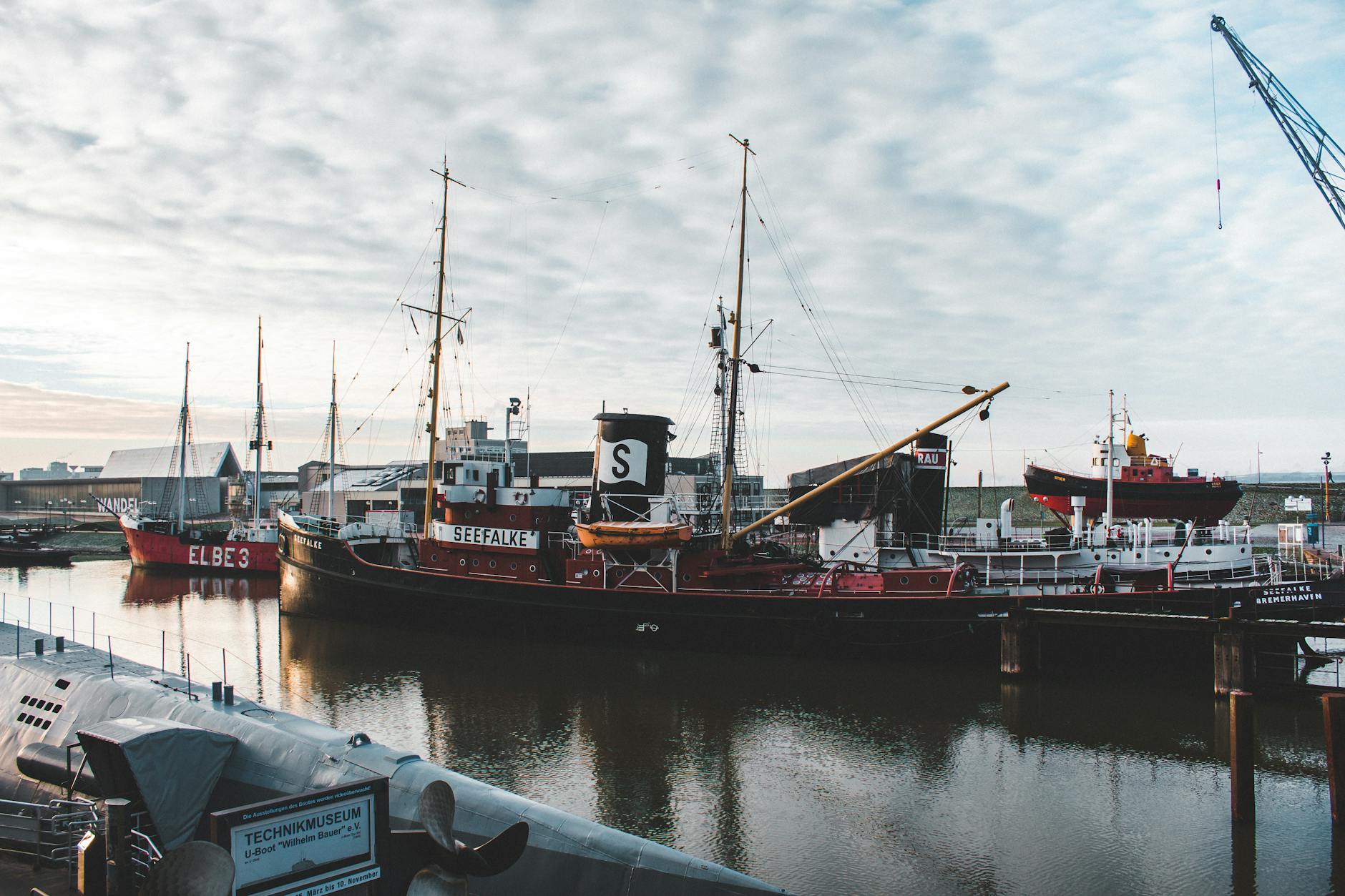
What fits in 5 days in Stockholm
Five days is the comfortable length for people who want to properly see the archipelago rather than just brush against it. Add this to the 3-day plan:
Day 4 — archipelago overnight: take a Waxholmsbolaget ferry to Sandhamn (about 3 hours, the postcard island), Grinda (an hour, rustic and forested), Utö (2 hours, a classic) or Möja (2.5 hours, well off the trail). Stay a night or two at Sandhamns Värdshus, Grinda Värdshus or Utö Värdshus. This overnight is what turns a “city break” into a Stockholm trip.
Day 5 — a slow city day: ferry back mid-morning and spend the day on whatever you skipped — a museum run on Djurgården (Moderna Museet on Skeppsholmen, Nordiska Museet), Söder vintage shops, a long sauna at Sturebadet or Centralbadet, or a special dinner at Aira, Frantzén or Operakällaren.
Five days also buys you weather slack. Stockholm’s skies flip fast; if Tuesday turns cold and grey, swap your archipelago day for your museum day and carry on. A packing note: layers and a rain shell earn their place here — the Stockholm Packing List has the full rundown.
What fits in 7 days in Stockholm
Seven days unlocks the city at a local’s pace. The full-week shape:
Days 1–3: the standard first-timer route (Gamla Stan, Djurgården, City Hall, Södermalm).
Day 4: a day trip to Uppsala (40 minutes by train), Sigtuna (Sweden’s oldest town, about an hour by train and bus), Mariefred with Gripsholm Castle (1.5 hours, and in summer by the historic Mariefred steam train), or Drottningholm if you haven’t been.
Days 5–6: an archipelago overnight at Sandhamn, Grinda or Utö.
Day 7: a final slow day — Vasastan and Vasaparken, the Stockholm Public Library on Sveavägen (Asplund’s 1928 cylindrical reading room), an afternoon at Centralbadet, and a last dinner at a Stockholm classic like Sturehof.
Seven days covers everything a first-time visitor tends to want. Beyond that, a repeat trip usually makes more sense than stretching this one — unless you’re pairing Stockholm with Gothenburg, Malmö, Lund, or heading north to Lapland and Abisko for the Northern Lights.
Why fewer than 3 days rarely works
Stockholm spreads its big sights across a scatter of islands. Travel time is real — not because the transport is slow (it’s fast and superb) but because hopping from Gamla Stan to Djurgården to Kungsholmen to Söder quietly costs you 30 minutes here and 45 there. On one or two days you’re forced to sacrifice either the museums (no Vasa, no Skansen, no City Hall) or the neighbourhoods (no Söder, no Vasastan, no harbour sunset). You get one, not both.
Then there’s the season. In deep winter, daylight runs just 6 to 9 hours. In peak summer, the top sights queue. With under three days you’re either speed-ticking a checklist or genuinely missing the place. If you’re still deciding whether the trip is for you at all, the honest take in Is Stockholm Worth Visiting? An Honest 2026 Take is a fair gut-check.
Why more than 7 days needs a plan
Past a week, Stockholm starts to repeat on you. It’s rich, but it isn’t infinite. To justify days 8 and beyond, plan ahead: pair the city with another Swedish one (Gothenburg is a 3-hour train, Malmö 4.5 hours and on to Copenhagen), book a multi-night archipelago stay, or treat Stockholm as a base for a workation rather than a sightseeing sprint.
One clear exception: December. The Christmas market at Skansen (Fridays to Sundays from late November), the Lucia processions on the 13th, the lights along Strandvägen and Hamngatan, and the general slowdown make a longer December stay worth it.
How the season changes the answer
Summer (June–August): add a day. Daylight stretches past 22:00, the archipelago is fully open, you can swim, and Skansen and Gröna Lund are running at full tilt. A 5-day summer trip feels like four somewhere else.
Winter (November–February): knock a day off if the cold isn’t your thing. Daylight is 6 to 9 hours, most island accommodation is shut, and outdoor sightseeing gets harder. Three days in mid-December with the Christmas markets is lovely; three days in January is a tougher sell. That said, indoor museum-and-cocktail days shine in winter, and plenty of travellers report better museum visits without the summer crowds.
Spring and autumn: run the standard 3-day plan but stay flexible. April and October weather can turn in an hour, so build a rainy-day backup (Tom Tits, the Moderna Museet) into the trip.
Operational details that change the math
Sunday closures: Systembolaget (the state alcohol shop) is shut on Sundays. The Royal Palace opens daily; most museums do too, though some close Mondays (Moderna Museet, sometimes Hallwylska).
Industrisemester: many small Swedish restaurants close for 2 to 3 weeks in mid-July. The big tourist-facing spots stay open, but a neighbourhood favourite might have a “closed for holidays” sign on the door.
Public holidays: Midsummer’s Eve (the Friday between 19 and 25 June) shuts most of Stockholm down. The stretch between Christmas and New Year runs on reduced hours.
Restaurant bookings: for the top tables, reserve 2 to 4 weeks out. If one specific restaurant is a must, add a day of slack for it.
Weather cushion: a 4-day trip is far more weather-proof than a 3-day one. Travelling October to April, that extra day absorbs a wash-out.
How many days for specific Stockholm priorities
For museums
Stockholm’s museums take 4 to 5 days to really cover. The shortlist: Vasa (1.5 hours), Skansen (4+ hours), ABBA (1.5 hours), the Royal Palace interior (1 hour), Nationalmuseum (2 to 3 hours), Moderna Museet (2 hours), Nordiska (2 hours), Fotografiska (2 hours). Fold in the smaller ones (Junibacken, Aquaria, Spritmuseum) and you’re comfortably at five or six days.
For food
Three days hits the highlights — one Frantzén-tier dinner if you book ahead, two saluhall lunches, one plate of proper Swedish meatballs at Sturehof, and a scatter of fika stops. Five days lets you add Aira’s tasting menu, a classic Swedish dinner at Operakällaren Bakfickan, a tapas crawl through SoFo and a full-on coffee tour.
For nightlife
Two nights — one polished (a Stureplan dinner and cocktails at Tjoget), one casual (Söder beers at Akkurat, then the floating Patricia club on a Sunday). Make it three if you want live music at Debaser Strand or Fasching.
For the archipelago
One day gets you a Fjäderholmarna or Vaxholm half-day. Two days allows a full day trip to Sandhamn or Grinda. Three days means an overnight. Five-plus days opens up a multi-island route (Möja → Utö → Sandhamn).
For shopping
A full day for Drottninggatan, Hamngatan and Biblioteksgatan. Add a half day for the Söder vintage scene, and another half day for Westfield Mall of Scandinavia if you want everything under one roof.
For hiking and nature
Tyresta National Park (a 50-minute bus out) is a half day. The full archipelago hike on Utö is a whole day. The city itself doesn’t offer much serious hiking — for that, plan to leave town.
Common mistakes when planning your Stockholm trip length
Mistake 1: treating Stockholm like Copenhagen with spare time. Copenhagen is denser and you can compress it. Stockholm’s 14 islands and ferry-shaped geography mean slower movement, full stop.
Mistake 2: booking seven days for a first visit. Day 7 drags if you haven’t planned past the tourist core. I’d do five the first time, then come back for a longer one.
Mistake 3: visiting in November to save money. November light is brutal and much of the archipelago is closed. From mid-December the Christmas markets make up for it; the pre-Lucia weeks in November are the worst-value window of the year.
Mistake 4: skipping the archipelago on a 4-day trip. The archipelago is what makes Stockholm structurally unlike any other European capital. Even a half-day at Fjäderholmarna earns its slot.
Mistake 5: front-loading Day 1. Stockholm is jet-lag-friendly because it’s a walking city, but the urge to “start strong” and cram every museum into Day 1 breeds 14-hour days that wreck the rest of the trip. Pace yourself.
What to do if you only have a half day
Cruise stops, long layovers (Arlanda gets 6-hour-plus international stopovers) or a side trip from Copenhagen — sometimes half a day is all you’ve got. The 4-hour play:
From Arlanda Airport: Arlanda Express → T-Centralen → walk to Gamla Stan via Tegelbacken (about 5 minutes). Do Stortorget, Mårten Trotzigs Gränd and the Royal Palace exterior. Lunch at Hermitage or the Pharmarium ground floor. Head back via Strömkajen, adding the Vasa Museum if you have two hours; otherwise return to Centralen. Roughly 4 hours and around 600 SEK before any Vasa entry.
From a cruise dock at Stadsgården (Söder Mälarstrand): walk through Slussen to Gamla Stan (about 5 minutes), do the Old Town loop, lunch on Stortorget, and stroll back via Skeppsbron. Skip the excursion coach tours unless they’re free.
Sample plans by day count — the cheat sheet
1 day: Gamla Stan + Vasa + sunset on Söder.
2 days: add City Hall + Skansen + dinner.
3 days: add a Drottningholm or Fjäderholmarna day trip.
4 days: add a free day for Söder, the ABBA Museum or shopping.
5 days: add an archipelago overnight (Sandhamn, Grinda or Utö).
6 days: add a day trip to Uppsala or Sigtuna.
7 days: add a slow day for Vasastan, the library, a sauna and fine dining.
Final thoughts
If you only take one number away, make it three. Three days is the length I recommend to almost everyone asking how many days in Stockholm to plan for — enough to see the city properly without turning your holiday into a route march. Have four or five to spare and I’d spend them on the archipelago every time; it’s the part of Stockholm you’ll still be thinking about months later. And whatever you do, don’t over-optimise Day 1. This is a city best taken at a walking pace, coffee in hand, with room to get pleasantly lost. Confirm current hours and prices before you go — Swedish museums and ferries shift their timetables by season — and you’ll be set. If sorting cash and cards is on your list, the Stockholm Currency & Money guide covers it, and the Stockholm Tourist Map is handy for pinning these stops before you land.
Photo credits: Stockholm cityscape, Vasa Museum and trip-planning images via stockholmtourism.org media library.
Frequently asked questions
How many days do you need in Stockholm?
Three days is the sweet spot for a first visit — enough for Gamla Stan, the Djurgården museums, City Hall and one day trip without rushing. Five days lets you add an archipelago overnight, and seven unlocks a slow, local-pace trip. One to two days works for a cruise stop but will feel rushed.
Is 3 days enough in Stockholm?
Yes. Three days is the most-tested Stockholm length and works well for first-timers. Day 1 covers Gamla Stan and the Djurgården museums, Day 2 does City Hall and Södermalm, and Day 3 leaves room for a Drottningholm Palace visit or an archipelago half-day. You’ll likely leave wanting one more day.
Is 2 days enough in Stockholm?
It works for cruise stops or a short business-trip add-on, but it feels brisk. You can cover Gamla Stan, the Vasa Museum, City Hall and one Södermalm walk in two days, but you’ll skip the archipelago and most other museums. Aim for a weekend, since some smaller museums close on Mondays.
Is 1 day enough in Stockholm?
You’ll manage the essentials only — Gamla Stan, the Vasa Museum and a Söder sunset — and skip everything else. It’s enough for a cruise stop or a long layover, but a single day gives you a postcard of Stockholm rather than a real sense of the place. Two days is a far more satisfying minimum.
Is 5 days too long for Stockholm?
Not at all. Five days is the comfortable length that lets you add an archipelago overnight at Sandhamn or Grinda, plus a day trip to Drottningholm or Uppsala. Most travellers who stay five days end up saying they wish they’d booked seven, especially in summer when the islands are fully open.
Is 7 days too long for Stockholm?
Not if you plan beyond the tourist core. Days 6 and 7 work well for Vasastan walks, the Stockholm Public Library, fine dining, sauna afternoons and a second day trip. Push past a week and you’re better off combining Stockholm with another Swedish city, or booking a multi-night archipelago stay.
How many days should I spend in Stockholm vs Copenhagen?
Roughly even — about three days each for first-time visitors, with a 1-day Malmö add-on if you have seven-plus days total. Stockholm wants one extra day if you’re set on the archipelago; Copenhagen wants one extra if you fancy a Helsingør or North Zealand day trip.
How many days for Stockholm with kids?
Three to four days. Day 1 is Djurgården museums (Vasa, Junibacken), Day 2 is Skansen plus the ABBA Museum, Day 3 is Gröna Lund in summer or Tom Tits Experiment on a rainy day, and Day 4 adds Drottningholm or Fjäderholmarna. With under-4s, three days is plenty — they tire quickly and you’ll lean on the parks.
How many days do I need in Stockholm in winter?
Three days in mid-December is excellent, with the Christmas markets, Lucia and festive lighting. Three days in January or February works too if you don’t mind the cold and short daylight. I’d skip November — dark, damp, and not yet decorated for Christmas, it’s the worst-value window of the year.
How many days for an archipelago-focused Stockholm trip?
Five to seven days. Two days in central Stockholm, two or three nights on an archipelago island (Sandhamn, Grinda or Utö), then a final wrap-up day back in the city. Multi-island routes like Möja → Utö → Sandhamn need seven-plus days and are best attempted in summer when ferries run often.
For the wider picture of the city, start with The Complete Stockholm Travel Guide. If it’s your first trip, First Time in Stockholm covers the arrival basics, and the Stockholm Tourist Map helps you plot these stops before you go.