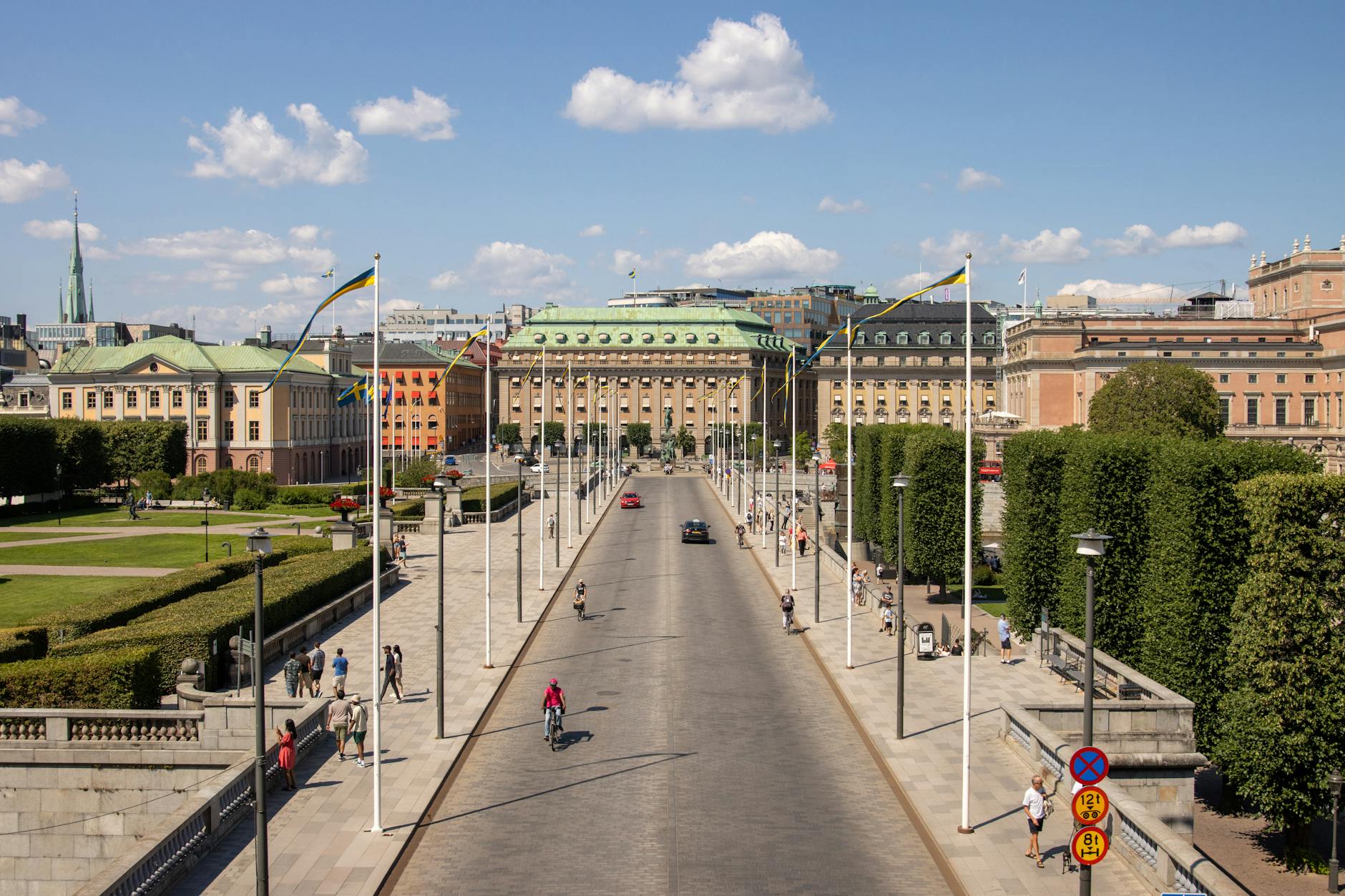
My first evening in Stockholm, I stood on a bridge at 22:00 with full daylight still on the water and no idea the sun wasn’t going to set. That’s the kind of surprise this city hands you. Planning your first time in Stockholm is genuinely easier than a first trip to London or Paris: the place is safe, English is everywhere, transport runs like clockwork, and the geography of 14 islands sounds daunting but reads as one walkable Old Town, two museum districts, and a couple of quick metro hops. The catches are real but small — it’s expensive, the weather turns on a dime, and a few local quirks trip people up. For the full lay of the land, I’d pair this with The Complete Stockholm Travel Guide.
This is a first-timer’s guide written for people who’ve never set foot in the city: what arrival actually looks like, where to sleep, the attractions worth your limited hours, the mistakes I watch visitors make, and a tested three-day plan. If you’re still deciding whether the trip is for you, Is Stockholm Worth Visiting? lays out the honest case. Bookmark this, save it offline, and use it to make a trip you finish already planning your return to.
Before you fly: what to know
Time zone: Central European Time (CET, UTC+1), shifting to CEST (UTC+2) from late March to late October.
Currency: Swedish krona (SEK), not euros. Roughly 10-11 SEK to the US dollar. Almost everywhere is cashless, so pack a contactless card. For the full picture, see Stockholm Currency & Money.
Language: Swedish, though well over 90% of Stockholmers speak fluent English. You will not struggle.
Plugs: Type F (Schuko), 230V — the same as continental Europe.
Visas: Sweden sits in the Schengen Area. Holders of US, UK, Canadian, Australian, and Japanese passports visit visa-free for up to 90 days in any 180-day window. The ETIAS travel authorization (Europe’s answer to the US ESTA) is rolling out — check the official EU ETIAS page before you fly, as timing has moved around.
Weather: cold winters (-5 to 0°C on average from December to February), short cool summers (15-22°C in July and August), and a wild daylight swing — 18-plus hours in June, roughly 6 in December.
Best time: late May through August for long days and full opening hours, or mid-December for the Christmas markets. Timing shapes almost everything about the trip, so it’s worth reading up before you lock in dates.
Arriving in Stockholm: airport to city
Odds are you’ll land at Stockholm Arlanda Airport (ARN), the main international gateway 40 km north of the centre. You’ve got four sensible ways in.
Arlanda Express train: 18 minutes, around 320 SEK one-way, every 15 minutes. The fastest option and the priciest. I’d take it if I landed late or had a tight connection.
Flygbussarna airport bus: about 45 minutes, around 119 SEK one-way. Best value if you’re travelling solo. It drops at Cityterminalen, right beside Central Station.
Pendeltåg commuter train: roughly 38 minutes, around 169 SEK one-way (that includes a station fee at Arlanda). Worth it if you’re already carrying an SL transit pass for a longer stay.
Taxi: expect a flat rate of around 580-750 SEK from the airport. Quick door-to-door but expensive. Stick with Taxi Stockholm, Taxi 020, Sverige Taxi, or app-based Bolt/Uber, and always confirm the price before you climb in — avoid any unmetered taxi touting for business.
Two smaller airports exist: Skavsta (100 km south, a Ryanair base, about 80 minutes by bus) and Bromma (the close-in city airport, mostly domestic, 20 minutes out). Prices and schedules move, so confirm the current fare when you book.
Where to base yourself on a first visit
Pick the wrong neighbourhood and you’ll waste half your trip commuting. Here’s how the four main options stack up.
Norrmalm (city centre): the easy default. You’re within walking distance of the Drottninggatan shopping street, Hamngatan, the Royal Palace, and Central Station. Mid-range beds include Scandic Continental, Clarion Sign, and Hotel Birger Jarl; Bank Hotel is the boutique pick.
Östermalm: smarter, quieter, and an easy walk to Stureplan and the waterfront Strandvägen. A little farther from Gamla Stan, but excellent for the Djurgården museums.
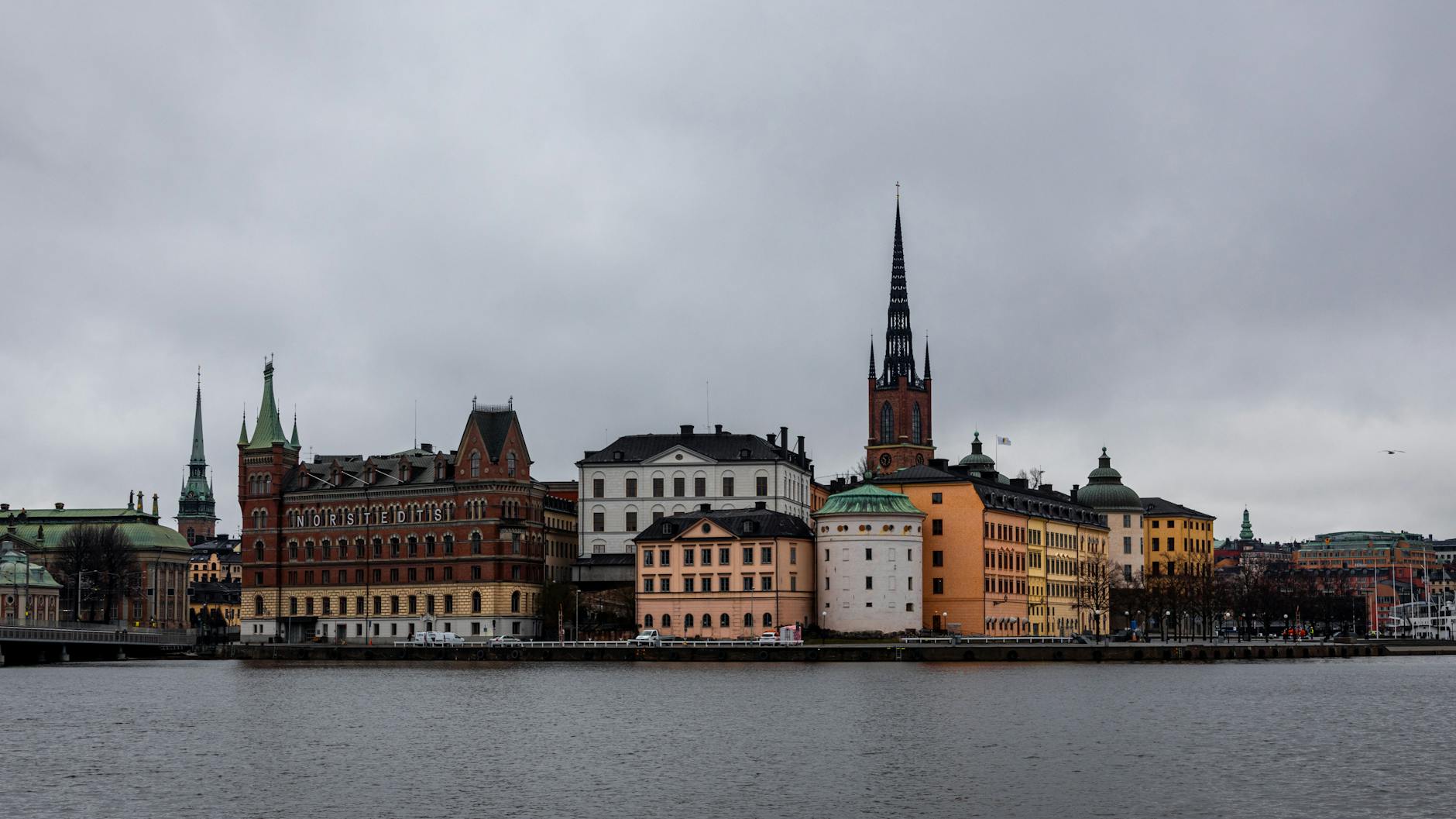
Gamla Stan: the medieval Old Town, home to a handful of characterful hotels like Lord Nelson and Hotel Skeppsholmen. Full of atmosphere, though it empties out at night and the after-dark dining is thin.
Södermalm: cooler, more local, about 15 minutes from the museum island. I’d send a return visitor here happily; first-timers who don’t mind the metro will love it too.
With limited time on a first trip, I steer people to Norrmalm or Östermalm — both let you walk to most sights and skip the metro on busy days. Where you land also shapes the whole feel of the trip, which is why I go deeper in the guide to the best neighbourhood for a first-time visit.
The must-see attractions for a first time in Stockholm
Vasa Museum
If you see one thing, make it this. The Vasa is a 17th-century warship that capsized on its maiden voyage in 1628, sat preserved in cold Baltic mud for 333 years, and came up almost intact in 1961. The museum wrapped around it is genuinely staggering — the ship stands five storeys tall and you circle it on walkways at every level. The 20-minute film screens in English several times a day. Budget 1.5-2 hours; entry runs around 220 SEK for adults, free under 18.
Skansen Open-Air Museum
The world’s oldest open-air museum (1891): 75 acres of historic Swedish buildings hauled in from across the country, plus a small zoo of native Nordic animals — brown bears, wolves, lynx, moose, reindeer, wolverines. Give it four hours minimum. Entry is around 250 SEK for adults, 95 SEK for children. Families adore it.
Gamla Stan (Old Town)
Stockholm’s medieval heart: a 13th-century street plan, the painted facades of Stortorget (the main square), Mårten Trotzigs Gränd (the narrowest alley in the city at 90 cm), the Royal Palace, Storkyrkan cathedral, and the German Church. Walking it costs nothing. Do it on Day 1 to get your bearings.
Royal Palace
Europe’s largest royal palace by room count (600-plus rooms) and still a working residence. The Royal Apartments, the Treasury with the crown jewels, and the Royal Armoury are the highlights. The changing of the guard at 12:15 daily in summer is a free outdoor show. Entry is around 200 SEK for adults. There’s a full Royal Palace guide if you want to plan the visit properly.
Stockholm City Hall
The brick-and-bronze 1923 Stadshuset on Kungsholmen hosts the Nobel Prize Banquet. Guided tours run several times a day — book ahead in summer. The 106 m tower (open May to September) delivers the best skyline view in the city. Reckon on around 130 SEK for the tour plus 80 SEK for the tower in season.
ABBA Museum
An interactive shrine to Sweden’s biggest cultural export. Even kids who’ve never knowingly heard ABBA walk out humming “Mamma Mia.” Tickets are timed-entry, so book two or three days ahead in summer. Entry is around 295 SEK for adults, free under seven.
Drottningholm Palace (half-day trip)
A UNESCO-listed royal palace 11 km west, reached by a 50-minute Strömma steamboat from Stadshusbron or by Bus 176/177. The boat ride alone earns the trip. Entry is around 200 SEK; the steamboat runs about 175 SEK each way.
The archipelago (half-day trip)
The 30,000-island archipelago is what structurally sets Stockholm apart from any other European capital. For a first taste, the simplest option is Fjäderholmarna — the closest islands, a 25-minute Waxholmsbolaget ferry from Slussen, easily a half-day with a summer swim. Or ride 75 minutes out to Vaxholm, a pretty little archipelago town.

A tested 3-day first-time itinerary
How you slice the days matters more than what you cram in. If you want to compare trip lengths, How Many Days in Stockholm makes the case for three. Here’s the plan I’d run.
Day 1 — Old Town and museum island
09:00-12:00 Gamla Stan walk: loop Stortorget, squeeze down Mårten Trotzigs Gränd, step into Storkyrkan, take in the Royal Palace exterior, and catch the 12:15 changing of the guard.
12:30 lunch: Hermitage (a vegetarian buffet, around 175 SEK) or Magnus Ladulås (classic Swedish, around 250 SEK) in the Old Town — or walk back for the upmarket Östermalm Saluhall.
14:00 Vasa Museum: Tram 7 from Sergels Torg or the ferry from Slussen to Djurgården. Give it 90 minutes inside.
16:00 Skansen: stroll over for three hours of historic buildings and the little zoo. Pack a picnic or eat at an on-site café.
19:30 dinner: Sturehof (an old-school brasserie, around 400 SEK), Tradition (classic Swedish on Söder, around 350 SEK), or Vapiano (casual pasta, around 200 SEK).
Day 2 — City Hall and Söder
09:30 City Hall tour: take the morning slot, and in summer climb the 106 m tower. About 1.5 hours.
11:30 lunch on Kungsholmen: Mälarpaviljongen (waterside, summer only) or Lux Dag för Dag (modern Swedish in a former lightbulb factory).
14:00 walk to Södermalm: cross Riddarholmen, follow Söder Mälarstrand, climb to Mariatorget, then wander Hornsgatan, Skånegatan, and Bondegatan in the SoFo pocket.
17:00 sunset at Monteliusvägen: a free clifftop path with the best central sunset in the city. Bring a blanket and a coffee.
19:30 dinner in SoFo: Bar Brutal (natural wine and small plates), Pelikan (a classic beer hall), or Hermitage again if you loved it.
22:00 nightcap: Tjoget in Hornstull (a World’s 50 Best bar) or Pharmarium in Gamla Stan (apothecary-themed).
Day 3 — day trip plus a flexible afternoon
09:30 Drottningholm by steamboat: the 50-minute ride out to the UNESCO palace, 90 minutes on site, back by 14:00.
14:30 late lunch: the NK Saluhall basement food hall, or any saluhall you pass.
15:30 your call: the ABBA Museum (plus Junibacken if you’ve got kids), Söder vintage shopping (Beyond Retro, Grandpa, Lisa Larsson), or a proper Swedish sauna at Sturebadet or Centralbadet.
19:30 last dinner: Operakällaren Bakfickan (affordable classic Swedish in the Royal Opera) or whatever you’ve been itching to book.
Common first-time mistakes (and how to dodge them)
Cramming Stockholm into one day. The city is bigger than the map lets on — 14 islands, several museum districts, and walks that take longer than they look. Give it three days.
Buying Vasa, ABBA, or Skansen tickets at the door in summer. Booking online saves 10-20 minutes of queueing and sometimes shaves the price.
Writing off Söder as too far. It’s 10 minutes by metro from Norrmalm and a 15-minute walk from Gamla Stan, and it holds the city’s best food, vintage shopping, and views.
Eating every dinner in Gamla Stan. The Old Town is atmospheric, but most of its restaurants are priced for tour buses. Walk to Södermalm or Östermalm for better value.
Carrying cash. Sweden is functionally cashless. Loads of shops, restaurants, and museums no longer take notes at all. A contactless card is all you need.
Skipping a transit plan. A 7-day SL pass (around 450 SEK) pays off across three-plus days of daily metro use; the 24- and 72-hour passes suit shorter stays.
Buying the Stockholm Pass for a light day. It only breaks even at four-plus paid attractions in a day. For most itineraries, single tickets come out cheaper.
Drinking only in bars and restaurants. Drinks out run four to five times retail. For a pre-dinner glass, buy at Systembolaget — but mind the hours (closing around 19:00 on weekdays, 15:00 Saturdays, shut Sundays).
Wearing sneakers to Stureplan clubs. Smart-casual is the floor: leather shoes, a collared shirt, no shorts.
Leaving the rain jacket at home. The weather flips within the hour here; a waterproof is year-round kit.
Rolling up to dinner at 22:00. Most kitchens close by then. Eat earlier or you’re choosing between bar snacks and a 7-Eleven.
Paying for a harbour sightseeing cruise. The Djurgården ferry comes free with any SL pass and serves up the same harbour views.
What a first-time Stockholm trip actually costs
Here are realistic 2026 daily budgets in SEK (and rough USD). Treat them as ballparks and confirm current prices as you book.
Budget: around 800-1,100 SEK ($80-110) per person per day. Hostel dorm, saluhall lunches, supermarket breakfasts, tap water, an SL pass, walking and free sights, one paid museum every couple of days.
Mid-range: around 1,800-2,600 SEK ($180-260) per person per day. A 3-star hotel split with a partner, one casual dinner out, the daily lunch deal (dagens), an SL pass, and one or two paid museums a day.
Luxury: 4,500-plus SEK ($450-plus) per person per day. A 5-star hotel, a tasting menu, top-shelf cocktails, taxis over the metro, and an archipelago overnight.
For the line-by-line version, see how much a trip to Stockholm costs.
Food and drink for first-timers
Try these at least once. Köttbullar — Swedish meatballs with lingonberry jam, mashed potato, cream sauce, and pickled cucumber — are done well at Tradition, Sturehof, Magnus Ladulås, or Operakällaren Bakfickan. Gravlax and other cured fish turn up at any saluhall or as a starter almost everywhere.
A smörgåsbord is the full spread: pickled herring, salmon, meatballs, breads, and cheese, cold and hot. Operakällaren and the Grand Hôtel run the famous lunch versions. And you can’t leave without a fika — the daily coffee-and-pastry ritual. Order a kanelbulle (cinnamon bun) or kardemummabulle (cardamom bun) at Vete-Katten, Sundbergs Konditori, or Drop Coffee, and settle in.
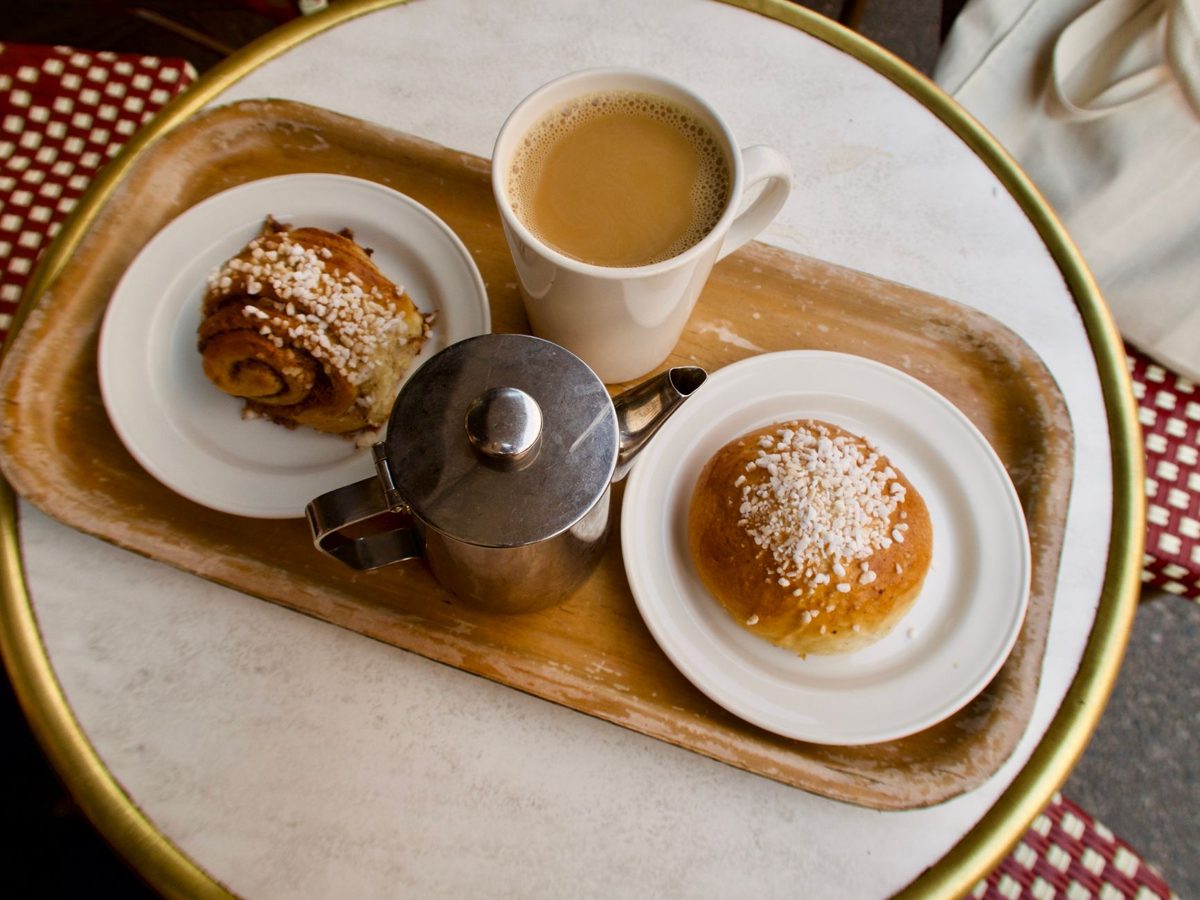
A couple more worth chasing: Janssons frestelse, a creamy potato-and-anchovy gratin that’s a Christmas staple served year-round, and prinsesstårta (princess cake), the green-marzipan dome layered with raspberry jam and cream. One to leave to the brave: surströmming, fermented Baltic herring with a reputation as one of the smelliest foods on earth.
Practical tips that aren’t obvious
Drink the tap water. It’s rated among the best anywhere — skip the bottled stuff, and just ask for tap at restaurants.
Use the contactless fare cap. Tap a contactless card at the metro gates and the system caps your daily charge at around 175 SEK automatically, matching the day pass; the weekly cap sits near 450 SEK. Often you don’t need to buy a pass at all.
Wi-Fi is everywhere. Cafés, restaurants, hotels, and the airport nearly all offer it free.
Book restaurants ahead. Reserve popular spots one to four weeks out — not just fine dining, but neighbourhood favourites that fill up on weekends.
Go easy on tipping. It’s optional here. Rounding up, or 5-10% at a restaurant, is generous; staff earn living wages.
Be on time. Punctuality is close to sacred. Turning up 15 minutes late to a booking reads as rude, and a late arrival to a tour means you miss it.
Shoes off indoors. Always, when entering a home. Bring socks if you’re invited to dinner.
Public toilets cost 5-10 SEK, paid by Swish or card — free at NK, Åhléns, libraries, and museums.
Ride the metro like a gallery. Ninety of the 100 stations feature public art. The T-Centralen blue cave, Solna Centrum’s red rock ceiling, and the Stadion rainbow are the standouts, and they cost nothing beyond a normal ride.
What to pack
Always: passport, contactless card, a Type F plug adapter, a refillable bottle, the SL app downloaded, an offline map, and walking shoes you’ve already broken in.
Spring and summer (May-August): light layers, a waterproof jacket, a sweater for evenings (it cools after 21:00), a sunhat, and a swimsuit for the free swimming spots.
Autumn (September-October): layers, waterproof shoes (September is the wettest month), and a warm jacket for the evenings.
Winter (November-March): the full kit — insulated waterproof boots (not city sneakers), thermal base layers, hat, gloves, scarf, a jacket rated to at least -10°C, and reflectors on your bag or coat, as locals wear in the dark months.
For the season-by-season detail, see the full Stockholm packing list.
Safety on a first visit
Stockholm ranks among Europe’s safest capitals. Petty pickpocketing exists in the tourist crush — T-Centralen, Gamla Stan, the Drottninggatan H&M flagship — but at lower rates than southern European capitals, and violent crime is rare. The emergency number is 112, with English-speaking operators.
In practice: don’t leave your phone on an outdoor café table (scooter-borne snatching is the rising risk), keep valuables zipped away in tourist zones, use only regulated taxis, and prefer ATMs inside bank branches. For the honest, detailed version, read Is Stockholm Safe for Tourists?
What tends to surprise first-timers
How quiet it is. There’s none of the volume of Paris or Rome — streets feel emptier and conversations run softer.
How much water you see. The bridges between islands hand you views no landlocked capital can.
The light at 22:00. Late-June daylight past ten at night is, for most people, the single most memorable thing about the trip.
The dress codes. Stureplan clubs and high-end restaurants enforce smart-casual; sneakers and shorts won’t get you through the door.
The cashless reality. You genuinely won’t need notes anywhere, and plenty of shops have stopped taking them.
How warm reserved people can be. Swedes read as reserved, not unfriendly — ask a question and you’ll almost always get a helpful, generous answer.
Where to find help
Stockholm Visitor Center: on Hamngatan, generally open daily 09:00-18:00 in summer (confirm current hours).
Tourist information desks: Arlanda (terminals 2 and 5), Central Station, and major museum entrances.
Emergency: 112 (police, fire, medical). Non-emergency police: 11414. Medical advice: 1177 (a 24/7 nurse line in English).
24-hour pharmacy: C.W. Scheele at Klarabergsgatan 64.
Lost passport: contact your embassy — the US Embassy sits at Dag Hammarskjölds Väg 31, the UK mission at Skarpögatan 6-8.
Final thoughts
Stockholm is the rare first trip that rewards a light plan and a bit of wandering. Get your bearings in Gamla Stan, give the Vasa its due, chase a good fika, and leave an afternoon loose for the water and the light. Do that and you’ll head home already scheming a return — most first-timers do.
Photo credits: hero, Vasa Museum, and Gamla Stan images courtesy of stockholmtourism.org; fika photo by Ea Ehn on Pexels.
Frequently asked questions
Is Stockholm a good first-time visit?
Yes — it’s one of Europe’s easier first-time capitals. It’s safe, widely English-speaking, blessed with excellent public transport, and small enough to cover on foot in a few days. If it’s your first big European trip, it makes a gentle, rewarding start.
How many days do I need for a first time in Stockholm?
Three days is the sweet spot. Day 1 covers Gamla Stan, the Vasa, and Skansen; Day 2 takes in City Hall, Södermalm, and sunset at Monteliusvägen; Day 3 is a day trip to Drottningholm or the archipelago plus a flexible afternoon. Two days feels rushed; four lets you slow down.
What should I do on my first day in Stockholm?
Start in Gamla Stan to orient yourself, lunch in the Old Town or at a saluhall, then head to the Vasa Museum and either Skansen or a Djurgården walk. Keep dinner close to your hotel and the evening short — you’ll be recovering from travel, and there’s plenty ahead.
What’s the best area to stay in for a first visit?
Norrmalm or Östermalm. Both put you inside walking distance of the main sights and let you skip the metro on most days. Norrmalm has the strongest transit links; Östermalm is quieter and closer to the Djurgården museums. Either beats basing far out to save a little on the room.
How much money should I bring for Stockholm?
A mid-range traveller spends around 1,800-2,600 SEK ($180-260) per person per day; budget travel runs 800-1,100 SEK, and luxury starts near 4,500 SEK. Bring a contactless card rather than cash, since notes are rarely accepted, and confirm current prices as you book.
Is Stockholm safe for first-time visitors?
Yes — it’s among Europe’s safer capitals. Petty pickpocketing happens around T-Centralen and Gamla Stan, but at lower rates than in Mediterranean cities, and violent crime is rare. Keep your phone off outdoor tables, use regulated taxis, and dial 112 in an emergency.
Do I need to know Swedish to visit Stockholm?
No. Well over 90% of Stockholmers speak fluent English, and menus and signs are effectively bilingual. Learning “Hej” (hi), “Tack” (thanks), and “Hej då” (goodbye) is a nice courtesy, but you’ll get by comfortably with English alone throughout the trip.
What’s the best time of year for a first visit?
Late May through August brings long daylight, mild weather, and full opening hours. Early September is the best value, with long days still and prices easing, and mid-December delivers the Christmas markets. I’d steer a first-timer away from early November and deep winter — dark and harder to enjoy.
Should I buy the Stockholm Pass for my first visit?
Only if you’ll hit four or more paid attractions in a single day. For one to three, individual tickets come out cheaper, and most first-time itineraries don’t reach the break-even point. Do the quick maths against your planned days before you buy anything.
What’s the most overlooked thing first-timers miss?
The metro art. Ninety of the 100 stations hold public artwork and most visitors ride straight past it. T-Centralen (a blue cave), Solna Centrum (red rock), Stadion (a rainbow), and Tekniska Högskolan (geometric arches) are the standouts — and they’re free with any ride.